If you’ve ever admired a retaining wall made of carefully stacked natural stone, you’ve probably seen a dry stack wall in action. With no mortar and no concrete holding it together, dry stack walls might look like magic—but they’re really all about experience, precision, and craftsmanship.
At Kelly Masonry, we get one question a lot: “Is a dry stack wall right for my yard?” This blog post will answer that and more.
We’ll cover:
- What dry stack stonework actually is
- How it compares to mortared or concrete block walls
- Where it works best
- Why hiring a professional matters
By the end, you’ll know whether this ancient building method is a good fit for your property—and how to make sure it’s done right.
What Is Dry Stack Stonework?
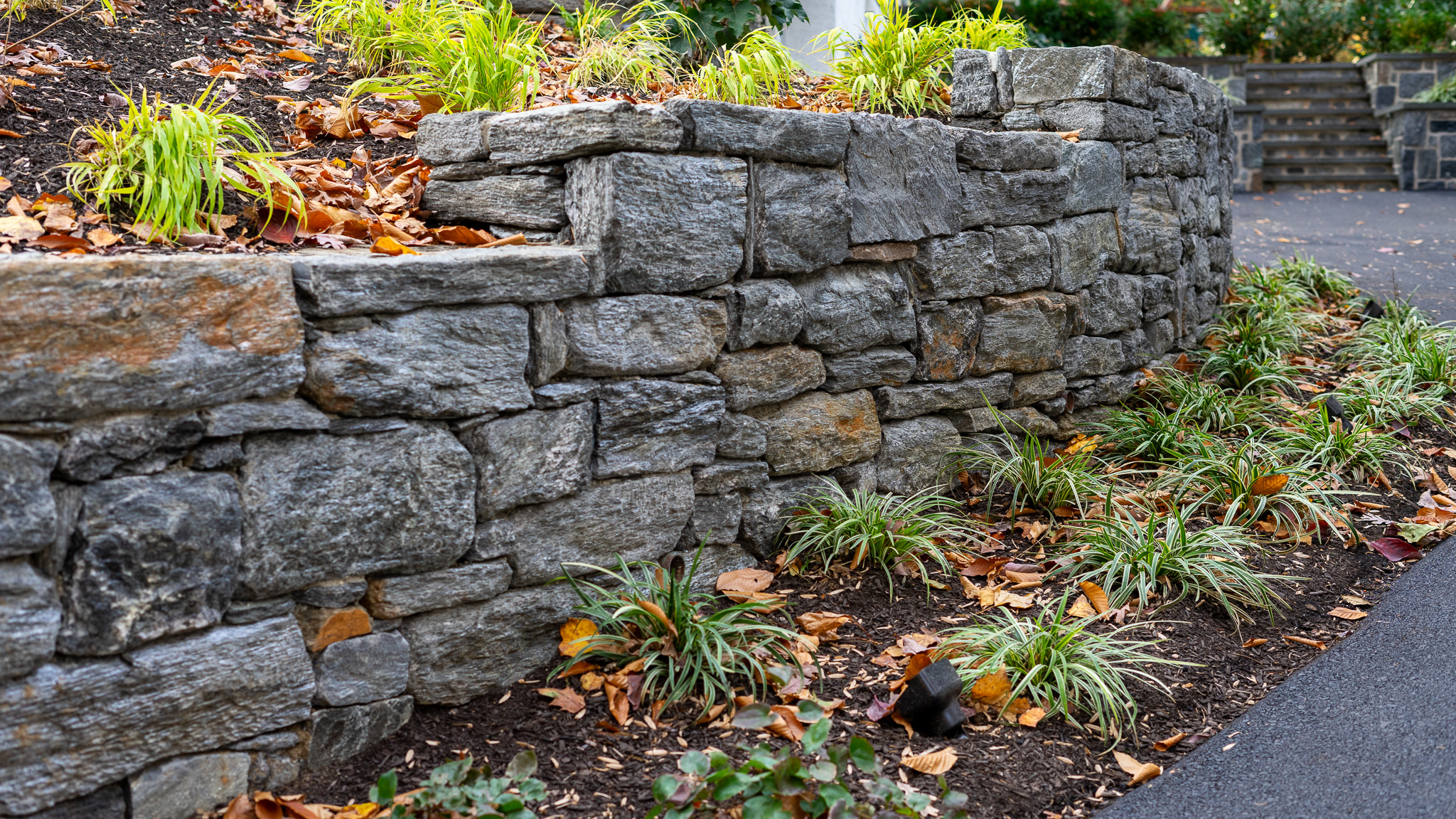
Dry stack stonework is a traditional masonry technique where stones are stacked without mortar. Instead of glue or cement, the wall relies on gravity, friction, and the precise placement of each stone to hold everything together.
The secret to its success? The base and the backfill.
A properly built dry stack wall starts with a compacted gravel base to promote drainage and prevent shifting. The wall leans back slightly into the hillside, and smaller stones are placed behind the main face to lock everything in place. When done right, dry stack walls can last decades or even centuries.
Where Do Dry Stack Walls Work Best?
Dry stack walls are ideal for:
- Retaining walls in sloped yards
- Decorative garden borders
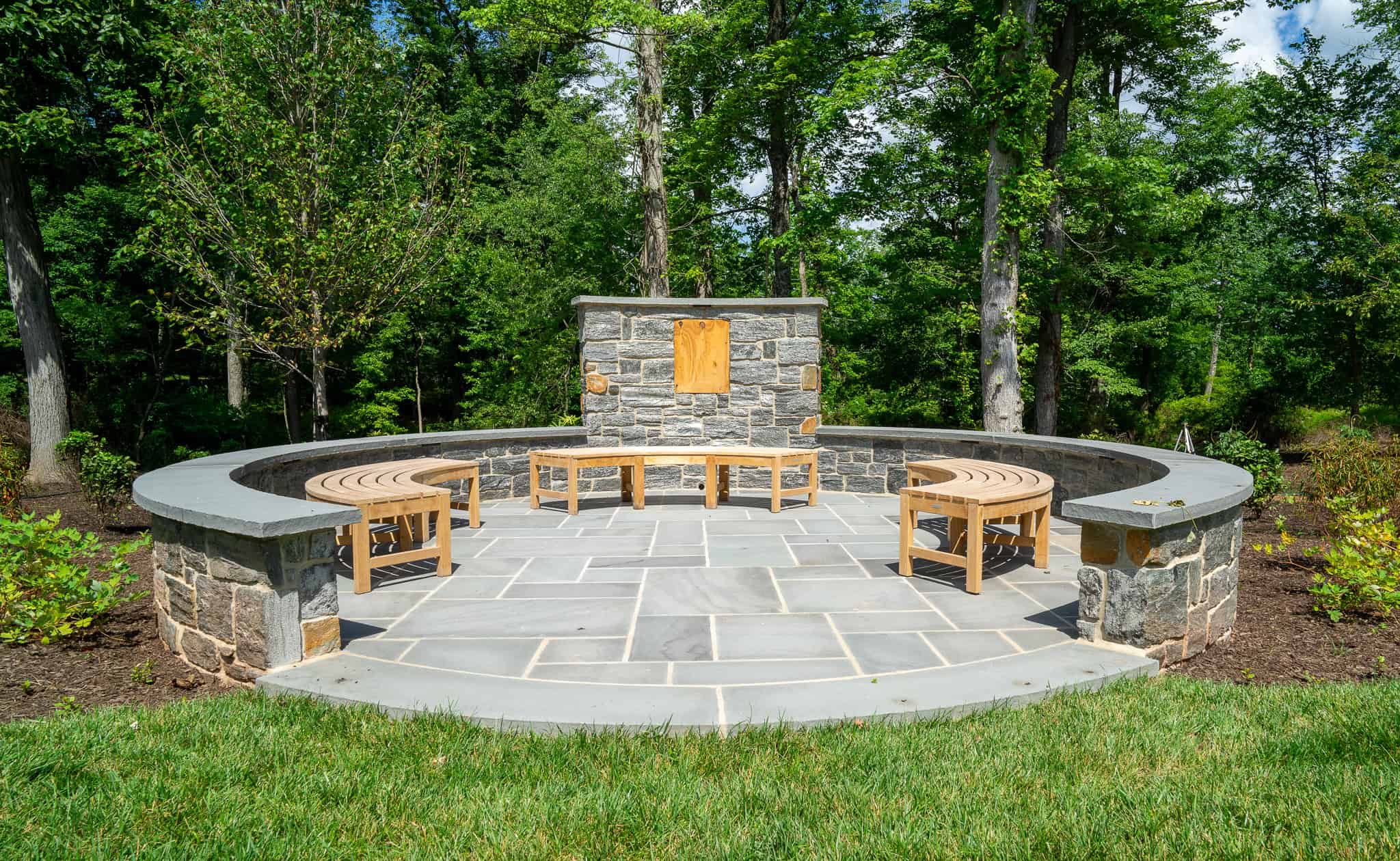
- Freestanding seating walls
- Naturalistic landscapes
Because of their natural look and excellent drainage, dry stack walls are especially well-suited to Pennsylvania’s freeze-thaw cycles. Water can move through the wall without building up pressure, which means fewer cracks and long-term failures.
They also blend seamlessly into the surrounding landscape—perfect for homes in the Main Line area where natural materials and subtle luxury are the standard.
Dry Stack vs. Mortared Walls: What’s the Difference?
Mortared stone walls use concrete or mortar to bind the stones together. They can handle taller builds and more pressure, but they don’t flex or drain as well. That makes them more prone to cracking in climates like ours.
Dry stack walls:
- Require more skill to build properly
- Are more forgiving with moisture and frost
- Offer better drainage naturally
- Have a more rustic, timeless aesthetic
In many cases, dry stack stonework is both more practical and more beautiful. But it has to be done by someone who understands the technique.

How Long Do Dry Stack Stone Walls Last?
When properly built, dry stack stone walls can last 50 to 100 years or more. Their longevity depends on:
- Quality of construction
- Proper base preparation and drainage
- Stone selection and fit
- Regular inspection and maintenance
Why Stone Choice Matters in Dry Stack Construction
Not all stone is created equal. The type of stone you choose impacts both the strength and appearance of a dry stack wall. Key considerations include:
- Shape and size: Flat, angular stones stack more securely and require less shaping.
- Density and durability: Harder stones resist weathering and erosion.
- Local availability: Sourcing local stone not only supports sustainability, but ensures better performance in the local climate.
- Aesthetic compatibility: The color and texture of the stone should complement the surrounding landscape and architecture.
Unlike mortared walls, dry stack systems are flexible, which makes them ideal for areas with freeze-thaw cycles like Pennsylvania. They can adjust slightly over time without cracking—reducing long-term repair costs and enhancing durability.
Why You Should Hire a Mason for Dry Stack Work
Let’s be honest: dry stacking isn’t easy.
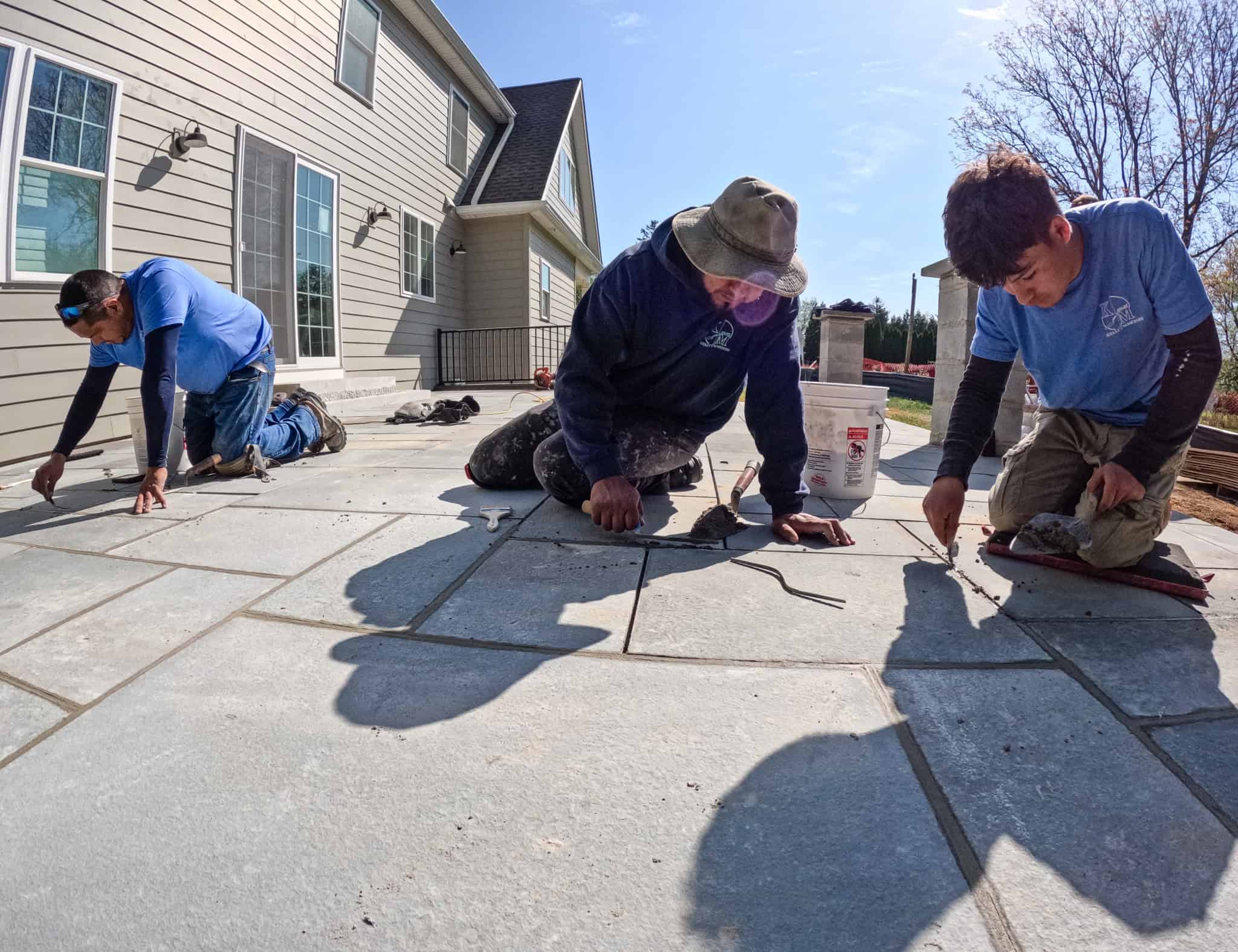
Each stone has to be selected, placed, and leveled by hand. The wall must be built with the correct pitch, footing, and drainage to last through decades of weather and settling. It’s not something you want to trust to guesswork or a YouTube tutorial.
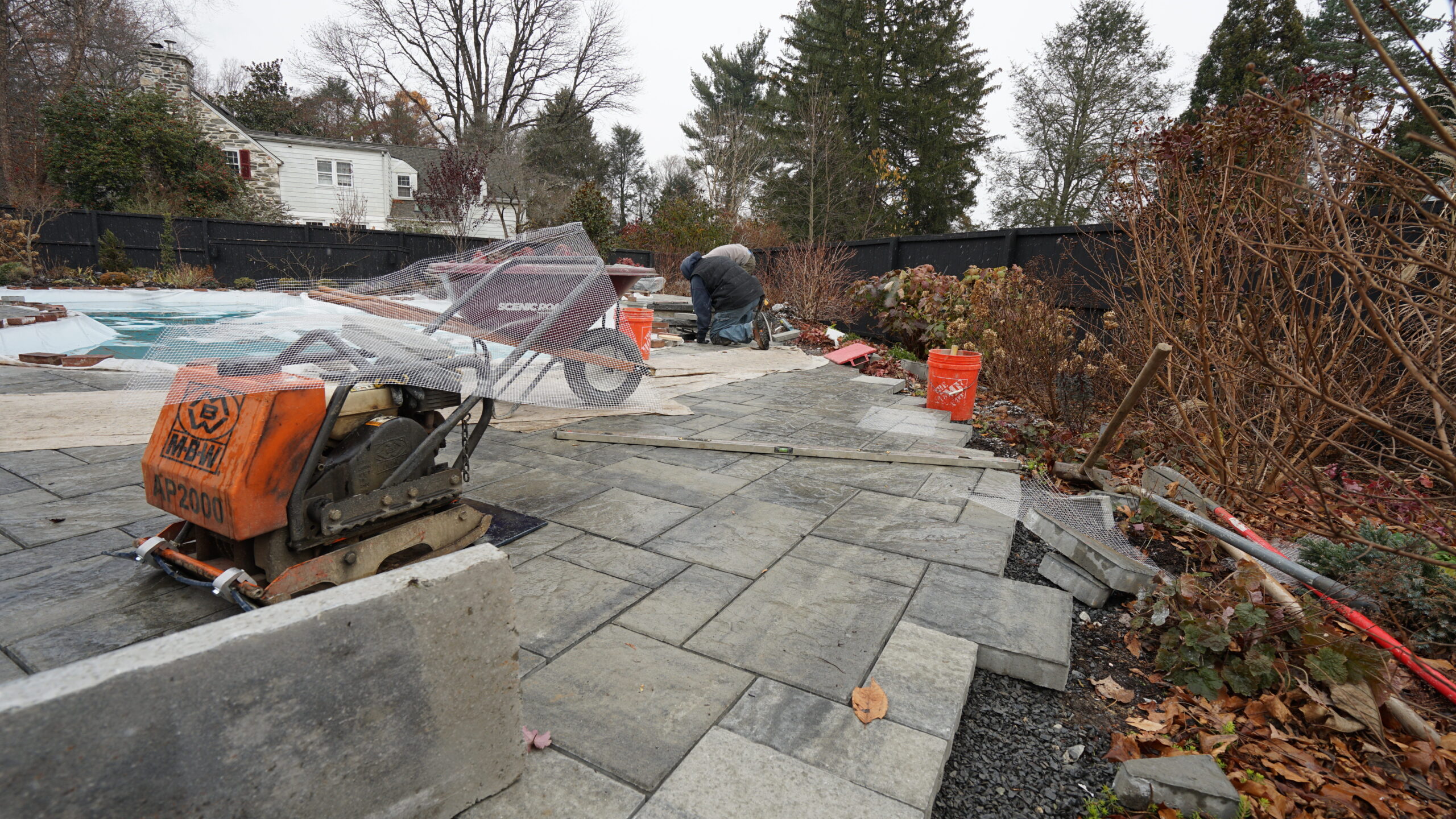
At Kelly Masonry, our team has years of experience crafting dry stack walls that are both functional and beautiful. We use laser levels, compactors, and good old-fashioned muscle to create walls that will stay standing season after season.
And unlike some contractors, we don’t skip the prep. Excavation, grading, and proper drainage are part of every job.
Because the truth is: a dry stack wall is only as good as the foundation beneath it.
Final Thoughts: Is a Dry Stack Wall Right for You?
If you want a retaining wall that looks natural, lasts for decades, and supports healthy drainage, a dry stack wall could be the perfect choice.
But make no mistake: it takes skill to get it right.
At Kelly Masonry, we believe the best outdoor spaces are the ones that are both beautiful and built to last. That’s why we treat every stone like it matters—because it does.
Want to see more examples of our dry stack work? Check out our portfolio or contact us for a quote.
Related Blog Posts