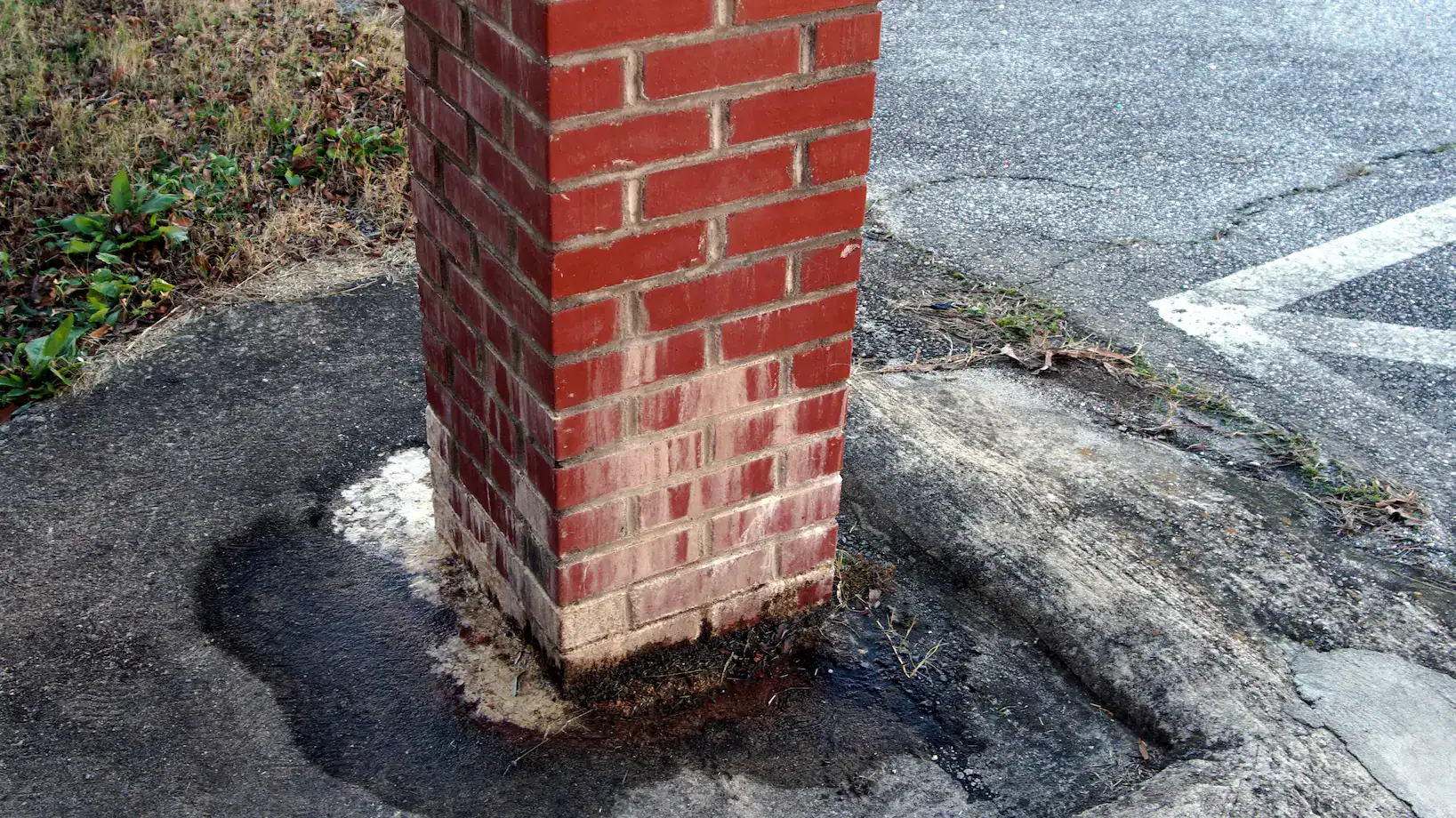
If you recently invested in a beautiful new outdoor living space or a stunning stone retaining wall, the last thing you want to see is a white, chalky residue appearing on the surface. That powdery substance is called efflorescence, and it is a common concern for homeowners in Delaware County. Seeing these stains can be alarming, making you wonder if your new masonry is defective or failing. The good news is that efflorescence is a natural occurrence, and understanding how to remove and prevent efflorescence on masonry can save you from unnecessary stress.
In this guide, we will break down exactly what efflorescence is and why it happens to brick, stone, and concrete. Whether you are planning a new patio project or maintaining existing masonry, this information will help you protect your investment. We will explore the root causes of these salt deposits and how moisture plays a critical role in their formation. Most importantly, we will share actionable steps to safely clean your masonry and strategies to keep those stubborn white stains from coming back. Whether you are dealing with a fresh patio or an older brick facade, you will find the answers you need right here.
Understanding the Causes of Efflorescence on Masonry
Before you can effectively tackle the problem, you need to understand what you are looking at. Understanding efflorescence is especially important for homeowners who have recently completed projects like outdoor kitchens, fireplaces, or hardscaping features. Efflorescence is essentially a crystalline salt deposit that forms on porous building materials. It occurs when water-soluble salts within the masonry or the surrounding environment dissolve in moisture. As that moisture travels to the surface of the brick or stone and evaporates, it leaves the salt crystals behind. This process requires three specific conditions to happen simultaneously.
First, there must be water-soluble salts present in the materials. These salts naturally occur in Portland cement, aggregates, clay, and even the soil surrounding your hardscaping. Second, there must be sufficient moisture to dissolve those salts. This water can come from rain, groundwater, sprinkler systems, or even the water used during the initial construction process. Finally, there needs to be a pathway for the moisture to migrate through the porous masonry to the surface.
While the appearance of efflorescence on new masonry is often a normal part of the curing process, recurring stains can signal a deeper issue. If the white powder continues to appear long after the project is completed, it usually indicates an ongoing moisture problem. This could be due to poor drainage, missing flashing, or constant exposure to groundwater. Identifying the source of the moisture is the first step toward a permanent solution.
Safe and Effective Methods for Removing Efflorescence
When it comes to cleaning your masonry, patience and the right technique are essential. It is always best to start with the gentlest method possible to avoid damaging the surface of your brick or stone. The most straightforward approach is dry brushing. Using a stiff, non-metallic bristle brush, you can simply sweep away the dry, powdery salt deposits. This is often highly effective for fresh efflorescence that has not been exposed to additional moisture.
If dry brushing does not fully resolve the issue, you can move on to water-based cleaning. Rinsing the affected area with a garden sprayer or a pressure washer on a low setting can help dissolve and wash away the salts. However, you must use caution with this method. Introducing more water into the masonry can sometimes pull additional salts to the surface as it dries, requiring a repeat cleaning. It is crucial to perform water cleaning on a warm, dry day to encourage rapid evaporation.
For stubborn or recurring efflorescence, chemical cleaning might be necessary. A mild solution of household white vinegar and water can often break down the mineral deposits safely. For tougher stains, there are proprietary efflorescence cleaners available at hardware stores. It is vital to avoid using harsh chemicals like muriatic acid, which can severely etch mortar joints, alter the color of your masonry, and cause long-term damage. Always test any cleaning solution on a small, hidden area first.
Proactive Strategies to Prevent Efflorescence from Returning
The most effective way to manage efflorescence is to prevent it from happening in the first place. For homeowners planning a new outdoor project, prevention starts during the design and construction phases. Working with an experienced contractor who understands proper water management is crucial. This includes incorporating adequate drainage systems, ensuring proper grading away from the masonry, and using techniques that minimize moisture intrusion.
If you are dealing with an existing structure, your focus should be on controlling the moisture source. Check your landscaping and irrigation systems to ensure water is not pooling around your retaining walls or patio. Adjusting sprinkler heads so they do not spray directly onto the masonry can make a significant difference. Additionally, ensure your gutters and downspouts are clear and directing rainwater well away from your home’s foundation and hardscaping.
Applying a high-quality, breathable masonry sealer can also provide an extra layer of protection. These water-repellent coatings prevent external moisture from penetrating the brick or stone while still allowing internal moisture vapors to escape. It is important to wait until the masonry has fully cured and any initial efflorescence has been thoroughly cleaned before applying a sealer. Regular maintenance and prompt attention to drainage issues will help keep your masonry looking pristine for years to come.
Trust Kelly Masonry for Your Outdoor Living Needs
Dealing with masonry issues can be frustrating, but you do not have to handle it alone. At Kelly Masonry, we understand the unique challenges that homeowners in Delaware County face with their outdoor spaces. From the initial design of your custom patio to the meticulous construction of your retaining walls, our team prioritizes quality craftsmanship and proper water management. We also specialize in outdoor fireplaces and landscape lighting to complete your outdoor vision. We build outdoor living spaces designed to stand the test of time, minimizing common issues like efflorescence.
If you are noticing persistent stains on your masonry or if you are ready to start planning a new outdoor project, we are here to help. Our experienced team can assess your property, identify any underlying drainage or moisture issues, and provide expert recommendations. We also offer comprehensive maintenance packages to keep your hardscaping in top condition year-round, helping prevent issues like efflorescence before they start.
Do not let masonry concerns keep you from enjoying your backyard. Contact Kelly Masonry today to schedule a consultation. We will work with you to create a beautiful, durable outdoor space where you can relax and build memories with family and friends.