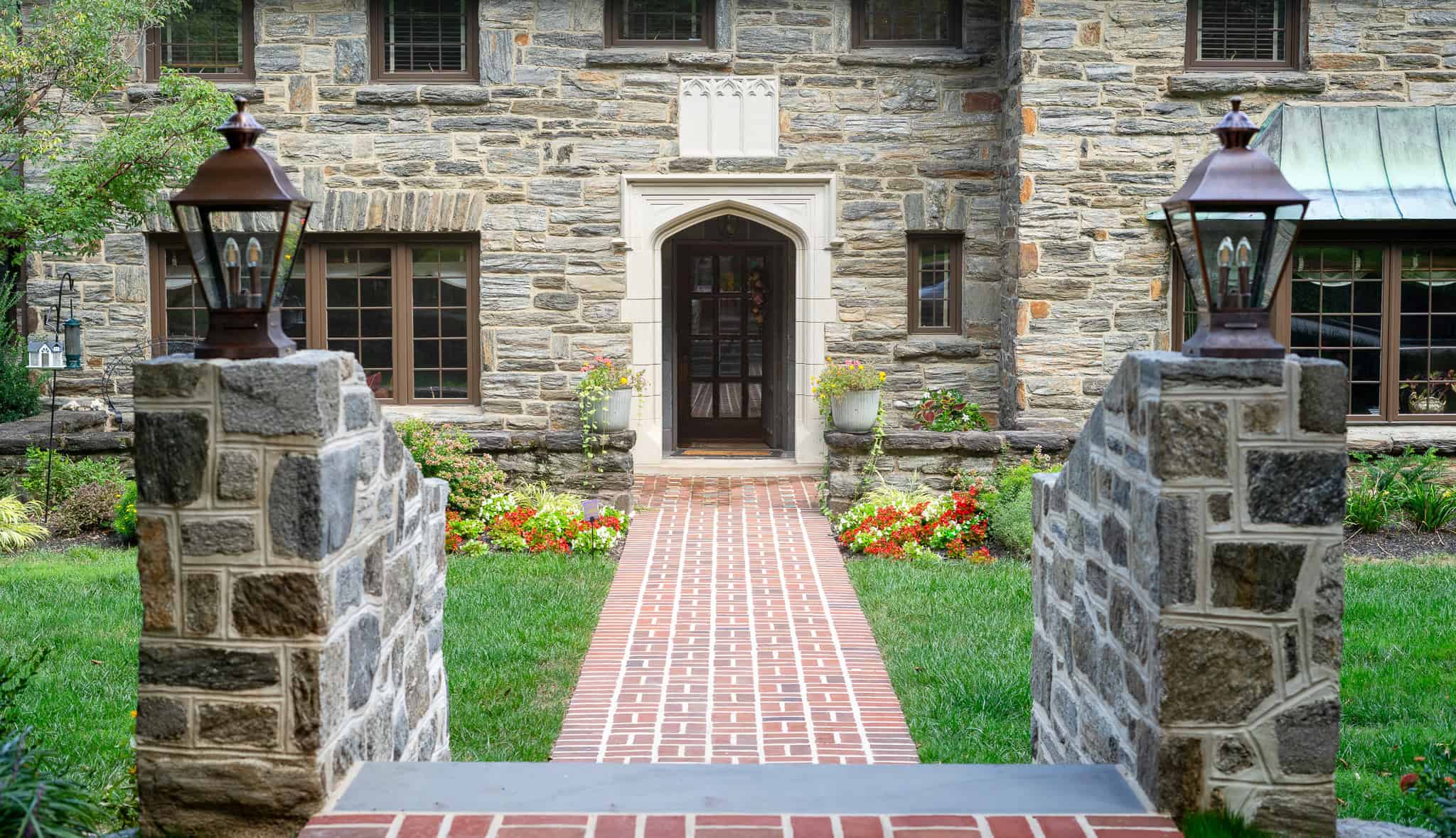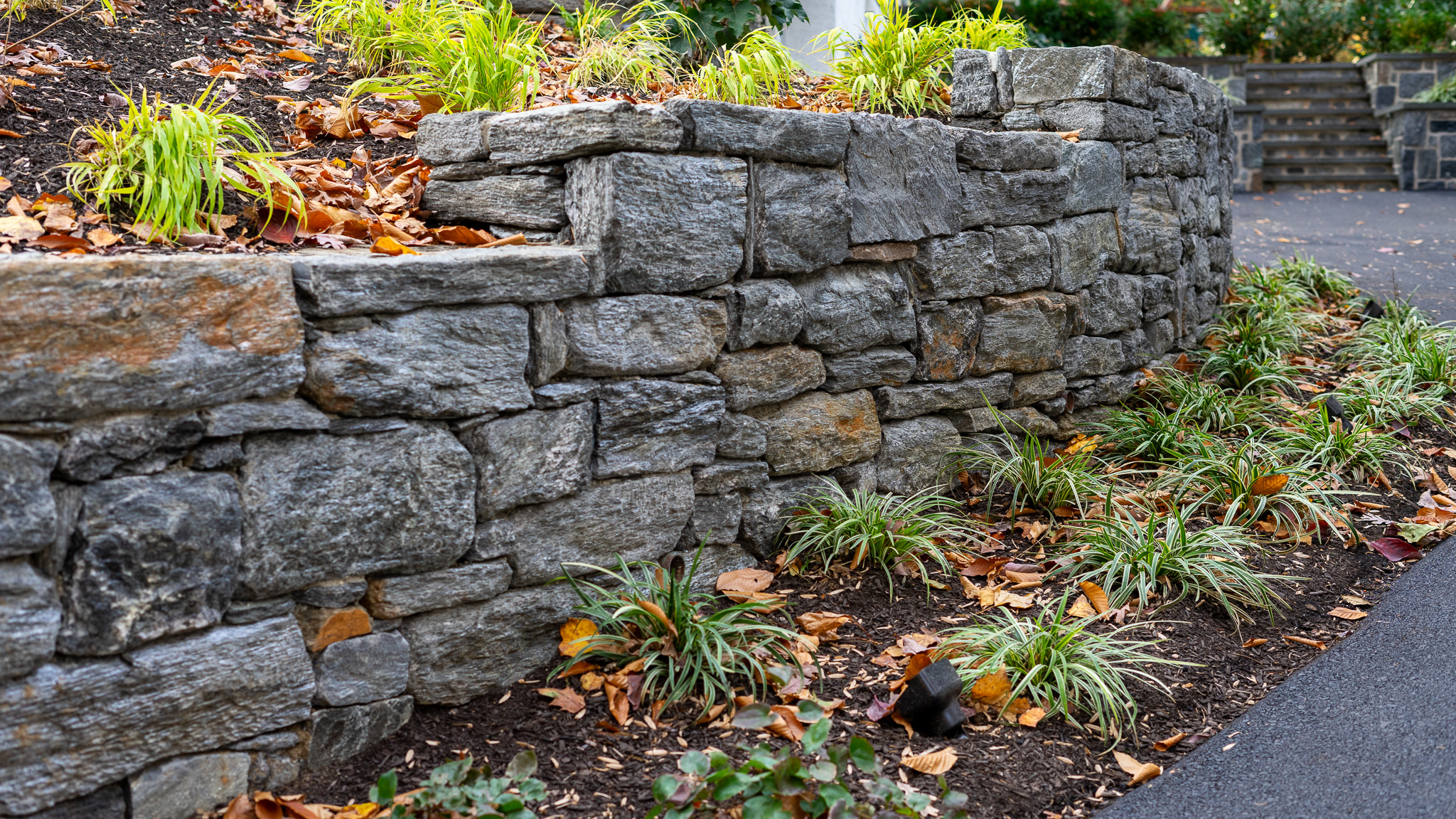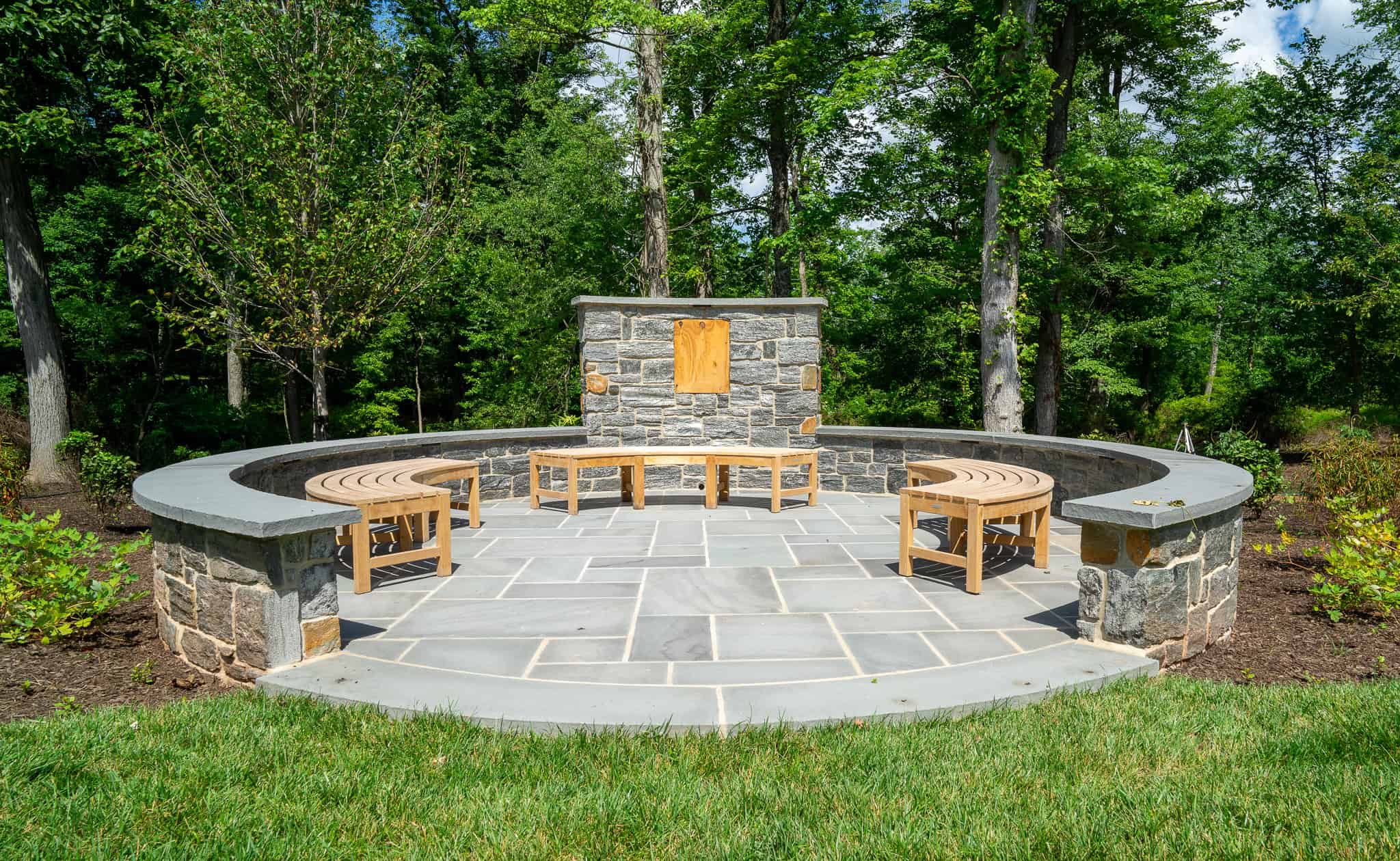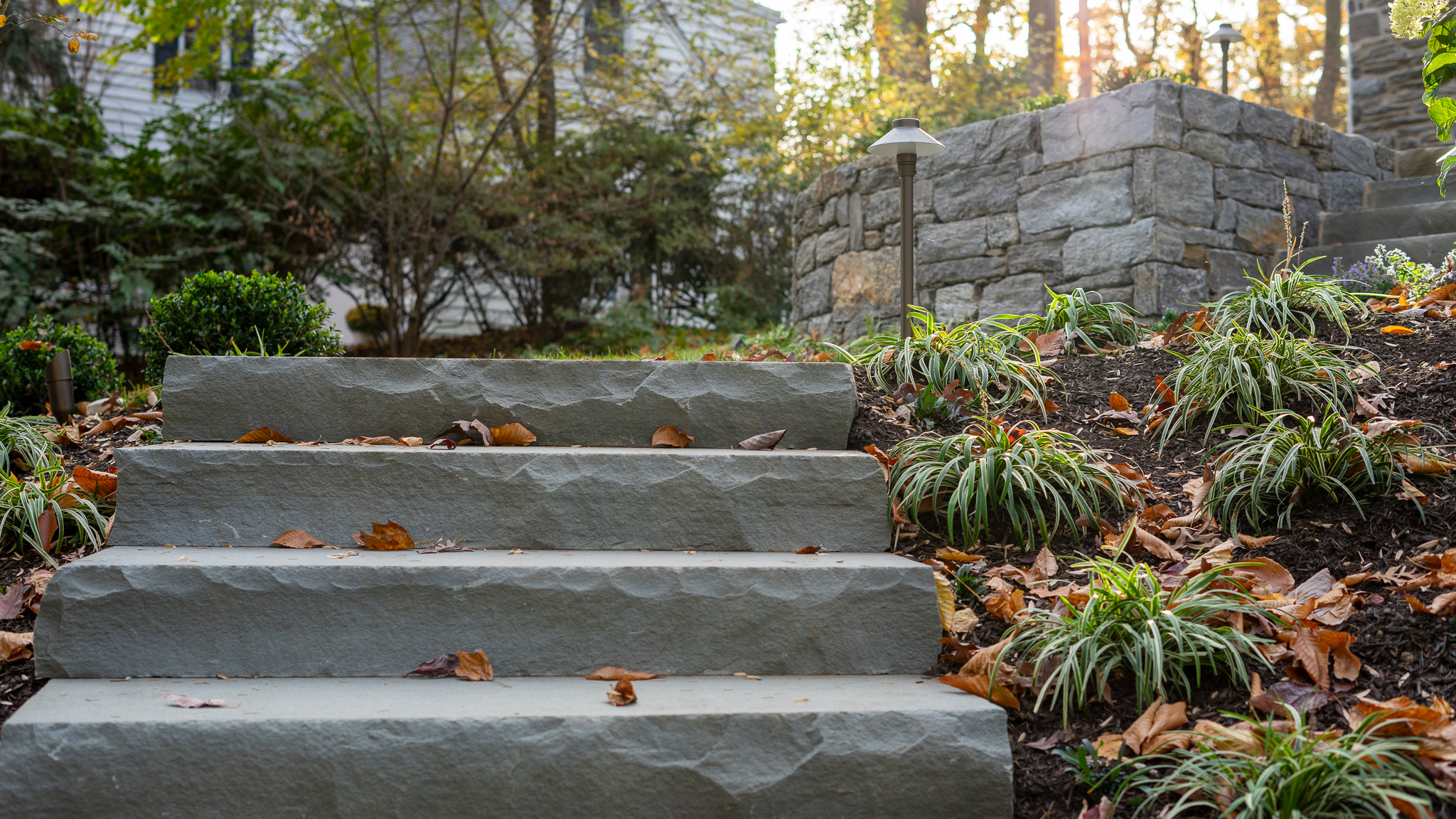
Hiring a masonry contractor is a big decision. Whether you’re planning a new patio, retaining wall, outdoor kitchen, or stone façade, the quality of the craftsmanship will directly impact your home’s beauty and value for years to come. But there’s a few questions you should ask a masonry contractor before you get started.
Here’s the problem: most homeowners don’t know what questions to ask when interviewing contractors. You might hear a price, see some photos, and assume that’s enough information to make the right choice.
The truth? The questions you ask before signing a contract can be the difference between a project that lasts decades and one that needs repairs within a few years.
At Kelly Masonry, we’ve met many clients who first came to us after a bad experience with another contractor. To help you avoid those mistakes, here’s a list of essential questions you should ask a masonry contractor before you hire them—and why the answers matter.
1. How Much Experience Do You Have With This Type of Project?
Not all masonry projects are created equal. A contractor who’s built brick walls may not have the same level of expertise when it comes to natural stone patios or outdoor kitchens.
Why it matters:
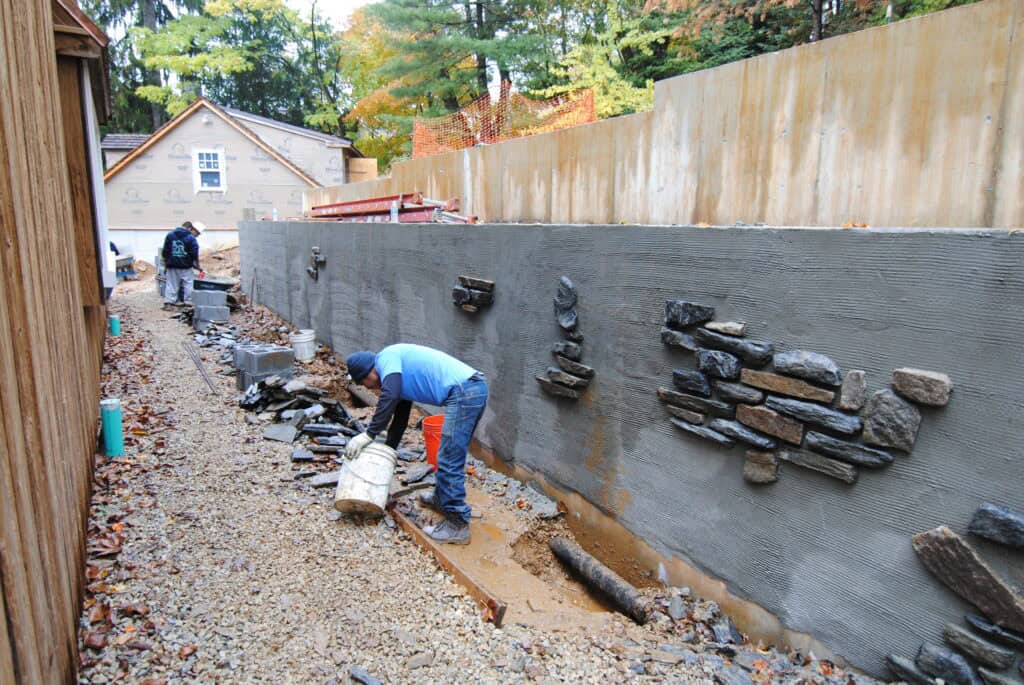
- Masonry is highly specialized. The techniques used for a dry stack stone wall, for example, are very different from those for a concrete block retaining wall.
- Experienced contractors can anticipate challenges (like drainage, soil movement, or structural load) before they become expensive problems.
Look for:
- Contractors who can show you past projects similar to yours—not just generic photos.
- A clear explanation of how their experience applies to your specific design.
2. Are You Licensed and Insured?
This may seem obvious, but it’s surprising how many homeowners skip this step. Hiring an unlicensed or uninsured contractor could put you at risk if something goes wrong.
Why it matters:
- Insurance protects you from liability in case of accidents or property damage.
- Licensing ensures the contractor meets minimum professional standards in your state or municipality.
Look for:
- Proof of general liability and workers’ compensation insurance.
- Proper licensing for your location (in Pennsylvania, requirements can vary by township).
3. What Materials Do You Recommend and Why?
The materials chosen for your project directly impact both the look and the longevity of the work. For example, not all flagstone is equally slip-resistant, and not all brick holds up the same in Pennsylvania’s freeze-thaw cycles.
Why it matters:
- A good contractor won’t just ask what looks nice—they’ll explain what performs best for your climate, soil, and design goals.
- The right materials save you money in the long run by reducing maintenance and repair needs.
Look for:
- Honest conversations about pros and cons of different stone or brick options.
- Recommendations based on both aesthetics and performance, not just price.
4. What Kind of Tools and Equipment Do You Use?
This may not be a question most homeowners think to ask, but it’s a big one. Professional-grade tools make a huge difference in the precision, efficiency, and safety of a project.
Why it matters:
- Accurate grading and cutting ensure your patio or wall lasts decades, not just a few years.
- Proper tools reduce delays, protect workers, and prevent costly mistakes.
Look for:
- Contractors who explain how their tools (like laser levels, compactors, or stone saws) improve quality.
- A clear commitment to professional equipment, not shortcuts.
5. How Do You Handle Drainage and Foundations?
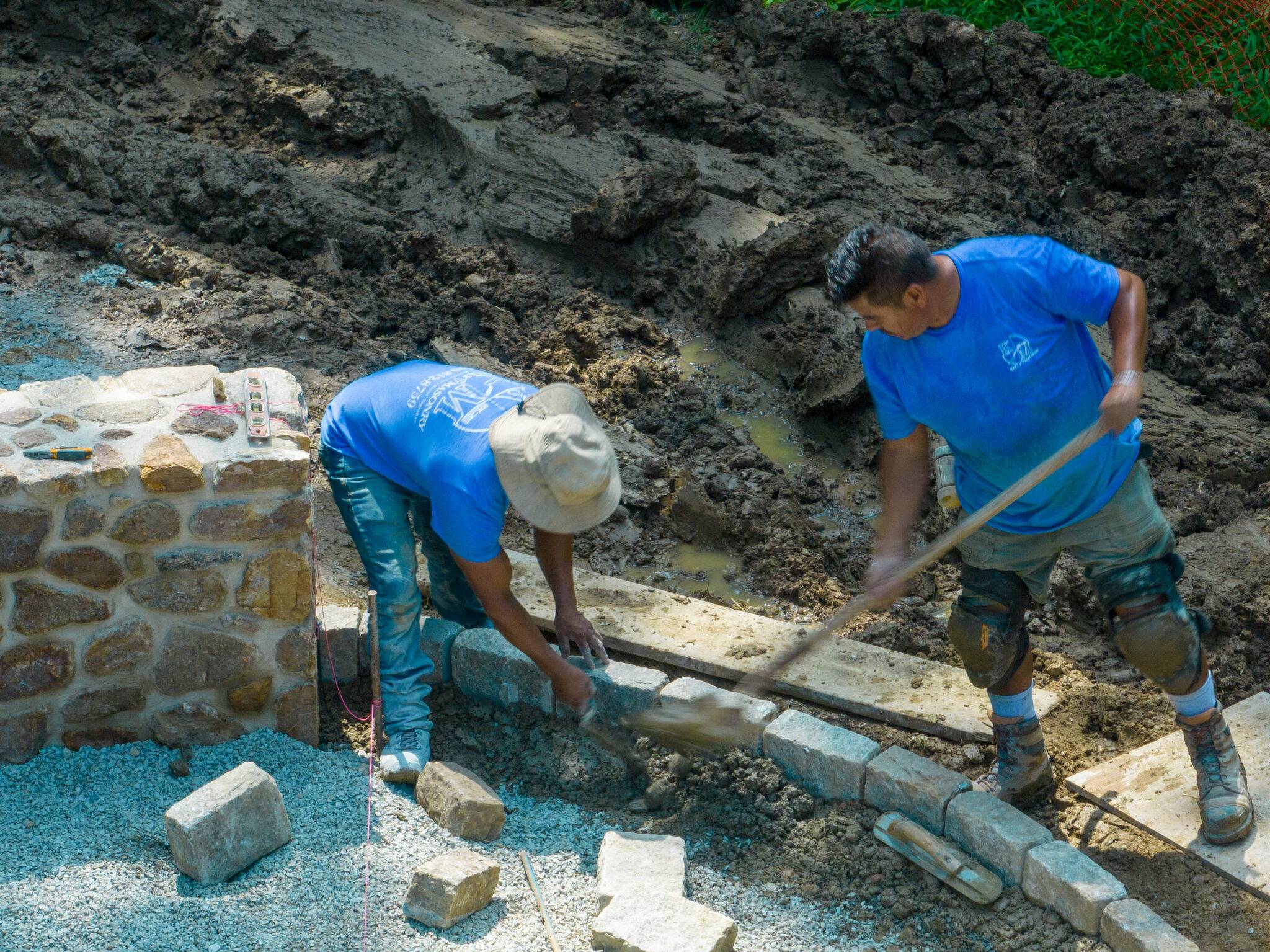
Drainage issues are one of the top reasons masonry projects fail. A patio may look great when it’s finished, but if water isn’t managed properly, you’ll be dealing with cracks, settling, or flooding.
Why it matters:
- Drainage determines whether your project lasts five years or fifty.
- A solid foundation and proper slope prevent major headaches down the road.
Look for:
- A clear explanation of how the contractor installs base layers, compacts soil, and designs for water runoff.
- Real examples of how they’ve solved drainage issues on past projects.
6. Can You Provide References or Past Client Reviews?
Photos are helpful, but they don’t tell the full story. Hearing directly from past clients gives you insight into how the contractor communicates, handles challenges, and treats homeowners.
Why it matters:
- A contractor with satisfied clients will be proud to share references.
- Reviews and testimonials reveal patterns—both good and bad.
Look for:
- References for projects that are similar in size and scope to yours.
- Clients who can tell you about the contractor’s professionalism, cleanliness, and follow-through.
7. What’s Included in Your Estimate?
Not all estimates are created equal. A low price might look appealing at first, but vague or incomplete estimates often lead to surprise costs later.
Why it matters:
- Transparency in pricing builds trust and prevents misunderstandings.
- A detailed estimate shows that the contractor has carefully considered the scope of work.
Look for:
- Itemized estimates that include labor, materials, and site preparation.
- A clear timeline and payment schedule.
Final Thoughts
The best masonry projects start long before the first stone is set. They begin with clear communication, trust, and confidence in your contractor’s expertise.
By asking these questions, you’ll not only get a better sense of each contractor’s skills—you’ll also see how they approach honesty, transparency, and client relationships.
At Kelly Masonry, we welcome these questions because we believe homeowners deserve answers. In fact, we encourage you to ask us anything—whether it’s about materials, tools, drainage, or timelines. Why? Because when you’re making an investment in your home, you deserve to feel confident in the people building it.
Thinking about a new patio, retaining wall, or outdoor living space on the Main Line? We’d love to start the conversation.