Sealing concrete pavers and following a regular patio maintenance schedule prevents water damage, weed growth, and surface deterioration. Homeowners protect their patio investment when they clean the surface properly, replace joint sand, and apply the correct sealer every three to five years.
A well-built patio in Delaware County requires ongoing care to survive harsh Pennsylvania winters and humid summers. Proper patio sealing maintenance stops moisture from penetrating the base materials and causing structural failure.
This article helps homeowners across the Main Line, Ardmore, Berwyn, Bryn Mawr, Haverford, Media, and surrounding Delaware County communities understand how to seal concrete pavers and build a realistic maintenance schedule so they can protect their outdoor living spaces for decades.
Why Do You Need to Seal Concrete Pavers?
You need to seal concrete pavers to block moisture, prevent stains, and stabilize the joint sand. Unsealed pavers absorb water quickly. This water freezes and expands during winter, which causes the concrete to crack and crumble over time.
Sealers create a protective barrier on the surface of the paver. This barrier repels oil from grills, grease from food, and dirt from foot traffic. It also locks the joint sand in place so weeds cannot take root.
When joint sand washes away, the pavers lose their structural support. They begin to shift, settle, and create uneven walking surfaces. A quality sealer prevents this erosion and keeps the patio level and safe. If you notice loose or shifting pavers, read our guide on patio repair and walkway repair to address structural issues before sealing.
How Often Should You Follow a Patio Maintenance Schedule?
Homeowners should inspect their patio every spring and fall, clean it annually, and apply fresh sealer every three to five years. High-traffic areas like outdoor kitchens or pool decks may require sealing every two years to maintain protection.
The exact timing depends on weather exposure, usage, and the type of sealer applied previously. Film-forming sealants wear down faster under heavy use compared to penetrating sealants.
You can test your patio sealing maintenance needs by pouring a small amount of water on the pavers. If the water beads up on the surface, the sealer is still working. If the water soaks into the concrete immediately, it is time to reseal the patio. Kelly Masonry offers a maintenance package that handles these inspections and seasonal care for you.
What is the Best Time of Year to Seal a Patio?
The best time to seal concrete pavers in Pennsylvania is during the late spring or early fall. The weather must be dry, and temperatures should remain between 50 and 80 degrees Fahrenheit for at least 48 hours.
Sealers require specific conditions to cure properly. If you apply sealer when it is too hot, the product dries too quickly and creates a cloudy finish. If you apply it when it is too cold, the sealer will not bond to the concrete surface.
Kelly Masonry recommends scheduling patio sealing maintenance after the spring pollen season ends or before the autumn leaves begin to fall. This timing prevents organic debris from getting trapped under the fresh sealer. For homeowners in Swarthmore, Wayne, Radnor, and other Main Line communities, late May through June is ideal, as is September through early October.
How Do You Clean a Patio Before Sealing?
You must remove all dirt, stains, and organic growth before applying sealer. Any debris left on the surface will be permanently locked under the protective coating.
Start by sweeping the patio thoroughly to remove loose dirt and leaves. Next, treat specific stains with appropriate cleaners. Use a degreaser for grill areas and a rust remover for metal furniture marks.
Many homeowners attempt to power wash their patios at this stage. Improper power washing blasts the sand out of the joints and damages the surface of the pavers. Professional masonry contractors use controlled pressure and specialized surface cleaners to prepare the patio safely. Learn more about the risks in our article on why all patios need regular maintenance and how improper power washing can cause problems.
Why Do Weeds Grow Between Concrete Pavers?
Weeds grow between concrete pavers when the joint sand washes away and organic debris fills the empty spaces. Seeds blow into these gaps, take root in the dirt, and sprout through the patio surface.
Proper patio sealing maintenance prevents this problem by hardening the joint sand. The sealer acts like a glue that locks the sand particles together. This solid barrier stops dirt from accumulating and prevents seeds from germinating.
If weeds are already present, you must remove them completely before resealing. Pulling the tops off leaves the roots behind. You must extract the entire root system, clean the joint, and replace the missing sand before applying sealer. For more details, see our guide on why weeds keep coming back between pavers.
Should You Use Polymeric Sand or Regular Sand?
Polymeric sand provides better long-term protection than regular joint sand for most patio installations. Polymeric sand contains special additives that harden when exposed to water.
Regular sand washes away easily during heavy rainstorms or routine cleaning. When the sand disappears, the pavers lose their stability and begin to shift. Weeds and ants quickly move into the empty joints.
Polymeric sand resists erosion, deters insects, and prevents weed growth. However, it requires precise installation. If polymeric dust remains on the paver surface when water is applied, it will permanently stain the concrete. This is why professional installation is critical for Delaware County homeowners who want lasting results.
What Are the Risks of DIY Patio Sealing?
DIY patio sealing often leads to cloudy finishes, trapped moisture, and peeling surfaces. Homeowners frequently apply too much sealer or choose the wrong product for their specific paver type.
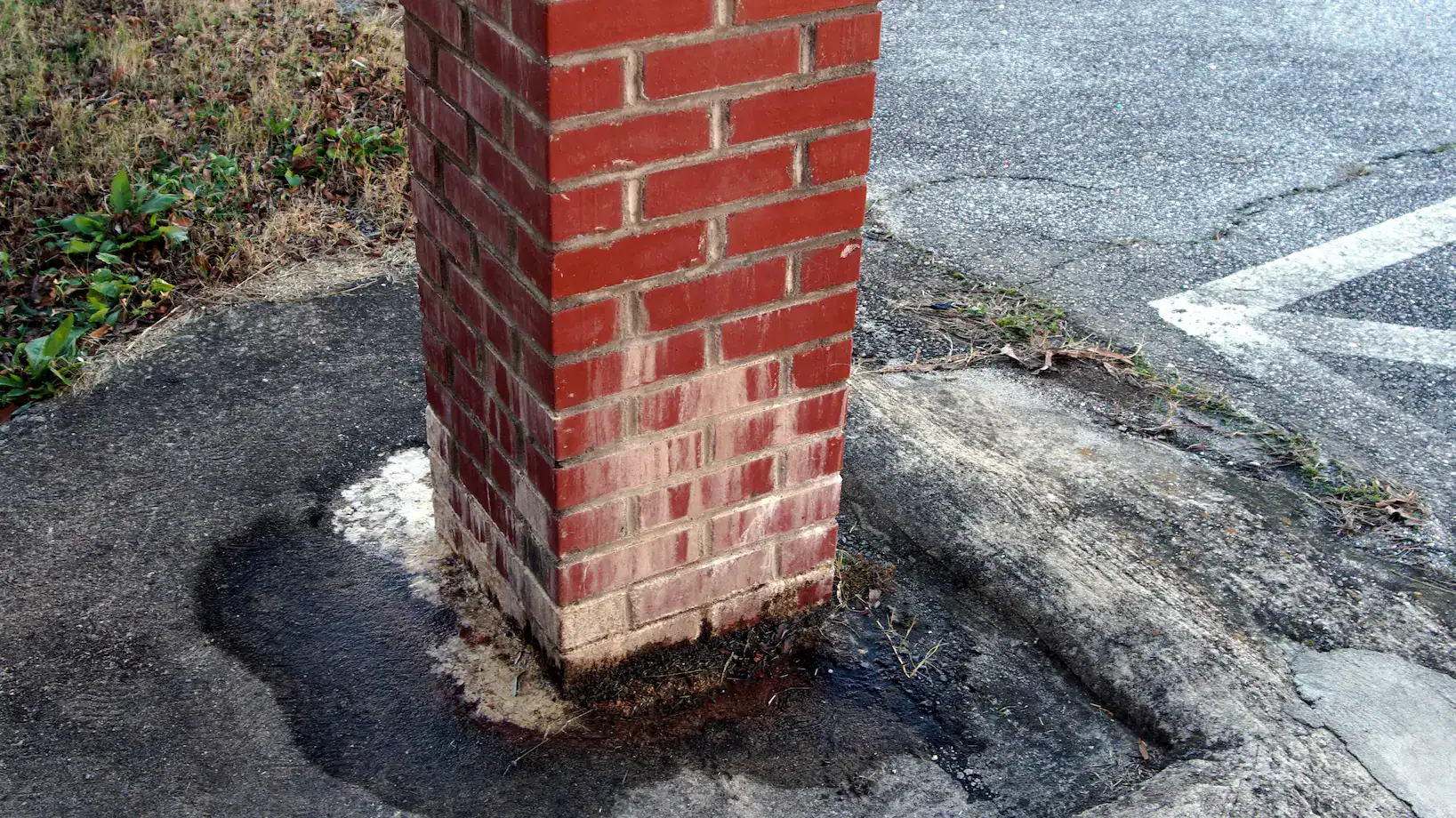
Over-applying sealer creates a slippery, plastic-like surface that traps moisture inside the concrete. This trapped moisture causes efflorescence, which appears as a stubborn white haze on the pavers. Learn more about this issue in our article on how to remove and prevent efflorescence on masonry.
Professional masonry contractors understand how different materials react to specific sealants. They ensure the patio is completely dry, the joints are properly filled, and the sealer is applied at the correct thickness for maximum protection.
How Does Weather Affect Unsealed Patios in Pennsylvania?
Pennsylvania experiences significant temperature swings and heavy precipitation throughout the year. Unsealed concrete pavers absorb rain and melting snow during the wet seasons.
When temperatures drop below freezing, the trapped water expands inside the concrete. This expansion causes the surface of the paver to pop off, a process known as spalling. This is especially damaging in Delaware County winters, where freeze-thaw cycles can occur multiple times throughout the season.
A consistent patio maintenance schedule protects against this damage. Sealers prevent water absorption, which eliminates the risk of freeze-thaw damage during harsh winters. For homeowners in Thornbury, Chadds Ford, Springfield, and other areas with significant elevation changes, proper drainage combined with sealing is essential.
What Are the Differences Between Penetrating and Film-Forming Sealers?
Homeowners must choose between penetrating sealers and film-forming sealers when protecting their patios. Penetrating sealers soak into the concrete pores to block moisture from within, while film-forming sealers create a visible protective layer on top of the pavers.
Penetrating sealers provide a natural, matte finish that does not alter the appearance of the pavers. They excel at preventing water absorption and freeze-thaw damage. Because they sit below the surface, penetrating sealers do not peel, flake, or become slippery when wet.
Film-forming sealers offer enhanced stain resistance and often provide a glossy or color-enhancing finish. These sealers work best for outdoor dining areas where grease and food spills are common. However, film-forming sealers require more frequent maintenance because the surface layer wears down from foot traffic and sun exposure.
How Does Poor Drainage Impact Patio Maintenance?
Poor drainage destroys patios faster than any other environmental factor, regardless of how well the pavers are sealed. When water pools on the surface or saturates the base materials, it undermines the entire masonry structure.
A properly graded patio directs water away from the house and off the paver surface. If water sits on sealed pavers for extended periods, it will eventually break down the protective coating. Once the sealer fails, the water penetrates the concrete and the joints.
Water trapped beneath the patio causes the base materials to wash away or settle unevenly. This settling creates low spots where even more water collects. Professional maintenance must address these drainage issues before applying new sealer, or the problems will simply repeat themselves. For more information, read our article on whether you need a drainage system for your patio.
Can You Seal Natural Stone the Same Way as Concrete Pavers?
Natural stone patios require different sealing techniques and products than manufactured concrete pavers. Flagstone, bluestone, and travertine have varying levels of porosity that dictate how they absorb sealants.
Concrete pavers are relatively uniform in their density, which allows standard sealers to penetrate evenly. Natural stone contains dense areas that reject sealer and porous areas that absorb it rapidly. Applying a standard concrete sealer to natural stone often results in a blotchy, uneven appearance.
Furthermore, some dense natural stones do not require sealing at all. Applying sealer to these dense stones creates a slippery surface hazard because the product cannot penetrate the material. A professional masonry assessment determines whether your specific natural stone patio actually benefits from sealing.
What Should You Expect During a Professional Maintenance Visit?
A professional patio maintenance visit involves a comprehensive assessment, deep cleaning, joint repair, and precision sealing. The process takes time and requires specific weather conditions to ensure the best results.
First, the masonry team inspects the patio for loose pavers, sunken areas, and drainage problems. They correct these structural issues before addressing the surface. Next, they clean the patio using specialized equipment that removes stains without damaging the pavers or blasting out the joint sand.
After the patio dries completely, the team replaces any missing joint material with high-quality polymeric sand. Finally, they apply the appropriate sealer using professional sprayers that guarantee an even, consistent coat. The patio then needs 24 to 48 hours to cure before it is ready for regular use.
Does Sealing Pavers Make Them Slippery?
Sealing concrete pavers can make the surface slippery when wet if the wrong product is used or if the sealer is applied incorrectly. Film-forming sealers that create a high-gloss finish pose the greatest risk for slip hazards around pools and uncovered patios.
To prevent this issue, masonry professionals often mix a slip-resistant additive into the sealer before application. This microscopic grit creates traction without altering the appearance of the patio. The additive is especially important for steps, sloped walkways, and pool decks.
Penetrating sealers rarely cause slip hazards because they do not leave a film on the surface. When safety is the primary concern, a penetrating sealer provides excellent water repellency while maintaining the natural texture and grip of the concrete pavers.
Frequently Asked Questions About Patio Sealing and Maintenance
How long does patio sealer last?
Most quality sealers last between three and five years before requiring reapplication. High-traffic areas may need resealing every two to three years. The lifespan depends on the sealer type, weather exposure, and maintenance frequency. For more details, read our article on how long a professionally installed paver patio lasts.
Can I seal my patio myself?
While DIY sealing is possible, professional application produces superior results. Contractors have access to commercial-grade products and specialized equipment that homeowners typically lack. They also understand the specific conditions needed for proper curing and can troubleshoot issues like efflorescence or moisture problems.
What is the cost of professional patio sealing?
Pricing varies based on patio size, material type, current condition, and sealer choice. Contact Kelly Masonry for a personalized quote. We provide transparent pricing and never recommend unnecessary services.
Should I seal my patio every year?
No. Annual sealing is unnecessary and can actually damage your patio by trapping moisture. Most patios benefit from resealing every three to five years. The water-beading test helps determine when your patio actually needs fresh sealer.
What should I do if my patio has efflorescence?
Efflorescence appears as a white haze on pavers and typically indicates trapped moisture. It can be cleaned with specialized cleaners, but the underlying moisture issue must be addressed. This often requires professional assessment to identify drainage or sealing problems.
Is sealing necessary for all patio types?
Most concrete and paver patios benefit from sealing. However, some dense natural stones may not require it. A professional evaluation determines whether your specific patio needs sealing and which type would work best.
How do I maintain my patio between professional visits?
Sweep regularly to remove debris, clean up spills promptly, and avoid harsh power washing. Perform the water-beading test annually to monitor sealer condition. Address weeds or stains quickly before they become embedded in the surface.
What is the best way to clean a sealed patio?
Use a soft-bristle brush and mild soap with water. Avoid power washing, which can damage the sealer and joint material. For stubborn stains, use appropriate cleaners designed for sealed surfaces.
How Can Kelly Masonry Protect Your Patio?
Kelly Masonry provides comprehensive maintenance packages that keep outdoor living spaces looking beautiful and structurally sound. Our team understands the specific challenges that Delaware County weather presents to masonry projects across communities like Havertown, Newtown Square, Rose Valley, and Villanova.
We evaluate your patio to determine the exact level of care it needs. We do not recommend unnecessary services. If your patio only requires a gentle cleaning and minor joint repair, we will tell you.
Contact Kelly Masonry today to schedule a consultation. Call us at (610) 812-8759 or visit our contact page to request a quote. We will help you establish a patio maintenance schedule that protects your investment and ensures your outdoor space remains safe and inviting for years to come.