Why Crumbling Mortar Is a Structural Emergency, Not a Cosmetic Flaw
Key Points:
- Mortar joints are the first line of defense against water infiltration. When they deteriorate, water travels deep into the wall assembly, causing hidden structural damage.
- Delaware County’s harsh freeze-thaw cycles accelerate mortar failure, turning minor cracks into major structural liabilities if left untreated.
- Proper tuckpointing requires matching the new mortar’s composition to the existing brick. Using the wrong type of mortar will actually destroy your bricks from the inside out.
The Hidden Danger Between Your Bricks
If you walk around your home in Wayne, Media, or anywhere along the Main Line, you might notice that the gray material between your bricks is starting to look a little rough. Perhaps it is receding, cracking, or turning into a chalky powder when you touch it.
Most homeowners assume this is simply a cosmetic issue. The bricks themselves look fine, so a little crumbling mortar cannot be that big of a deal, right? Unfortunately, this is one of the most dangerous misconceptions in home maintenance.
That gray material is called mortar, and it is the only thing keeping your brick walls standing and your walkways stable. When it begins to fail, it creates a direct pathway for water to enter your home’s structural framework. What starts as a minor masonry repair can quickly escalate into a catastrophic structural failure.
In this guide, we are going to explain exactly what tuckpointing is, how you can identify failing mortar yourself, and why ignoring this problem will eventually cost you thousands of dollars in structural repairs. These same principles apply to brick front walkways, concrete steps, and any masonry structure exposed to Pennsylvania weather.
The Real Story: How Mortar Failure Destroys Brickwork
What Exactly Is Tuckpointing?
Bricks are incredibly durable and can last for centuries. However, the mortar that holds them together is designed to be softer and more porous. Over decades of exposure to rain, wind, and extreme temperatures, this mortar naturally wears down.
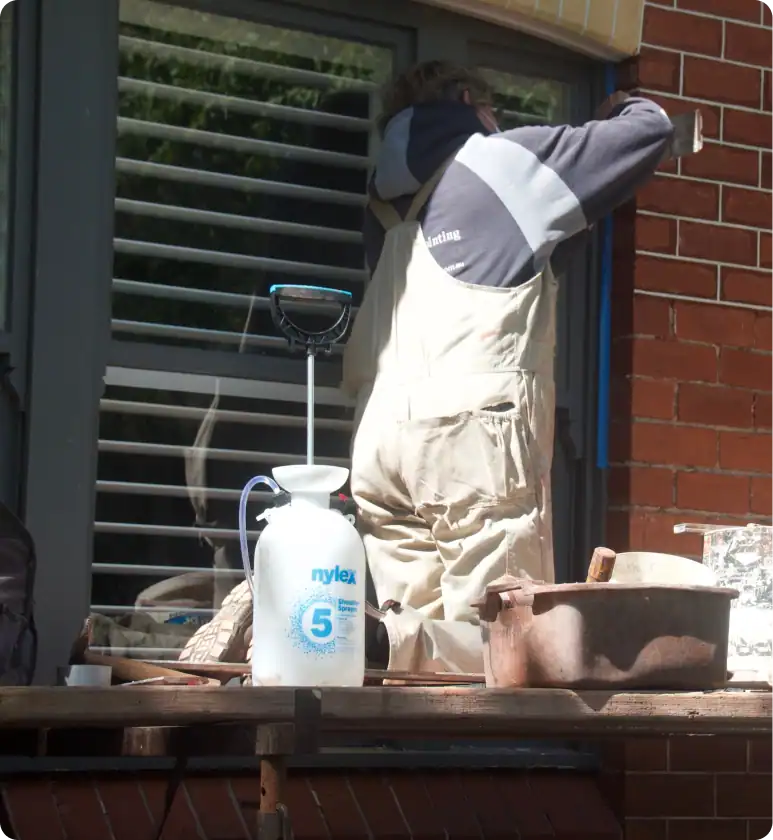
Tuckpointing (also known as repointing) is the precise process of repairing these failing mortar joints. A skilled masonry contractor carefully grinds or chisels out the damaged mortar without harming the surrounding bricks. They clean the joints thoroughly and then pack fresh, color-matched mortar into the gaps [1].
This process seals the wall against water infiltration, restores the structural integrity of the brickwork, and gives the surface a clean, uniform appearance.
Five Signs Your Mortar Is Actively Failing
You do not need to be a masonry expert to spot deteriorating mortar. Here are the five clearest indicators that your brickwork requires immediate tuckpointing:
- Recessed or Indented Joints: The mortar should sit relatively flush with the brick. If it looks deeply recessed or indented, environmental exposure has eroded the material [2].
- Structural Fissures: Look for threadlike microcracks on the mortar surface, especially near corners or where walls meet [2].
- Chalky or Brittle Texture: If you run your finger along the joint and the mortar crumbles into a fine powder, the bonding agents have completely failed [2].
- Loose or Shifting Bricks: If you can physically wiggle a brick, the mortar has lost its load-bearing capacity entirely [2].
- Efflorescence: White, chalky salt stains on your brick walls indicate that water is actively penetrating the masonry and drawing salts to the surface [2].
The Uncomfortable Truth About Water Infiltration
When mortar joints crack or open, water does not just sit on the surface. It travels deeper into the wall assembly. In Delaware County, our heavy rains and harsh freeze-thaw cycles make this incredibly destructive.
During the winter, water seeps into these failed joints and freezes. Because water expands when frozen, it acts like a wedge, forcing the cracks wider and eventually causing the faces of the bricks to pop off (a process called spalling) [3]. This is the same freeze-thaw mechanism that causes concrete patios to crack and sink in Delaware County.
Worse yet, once water penetrates the exterior brick, it reaches the embedded steel lintels that support the masonry above your windows and doors. As that steel rusts, it expands with tremendous force, cracking the surrounding masonry and accelerating structural deterioration [3]. This is how a minor tuckpointing project turns into a major structural rebuild.
Comparing Your Options: Tuckpointing vs. Full Replacement
When homeowners realize their mortar is failing, they often wonder if they need a localized repair or a complete masonry overhaul. Here is how professional contractors evaluate the situation.
| The Masonry Condition | The Professional Solution | Why It Makes Sense |
|---|---|---|
| Localized Cracking or Recessed Joints | Tuckpointing | Removes only the failing mortar and replaces it, preserving the original brickwork. |
| Widespread Crumbling and Loose Bricks | Full Mortar Replacement | Necessary when the majority of the wall has lost its structural integrity. |
| Severe Spalling and Structural Shifting | Brick Replacement or Rebuilding | Required when the bricks themselves have been destroyed by freeze-thaw damage. |
Making the Right Choice: Why Mortar Composition Matters
One of the biggest mistakes homeowners make is hiring a general handyman to patch their brickwork. Hardware stores sell modern, Portland cement-based mortar that is incredibly hard.
If your home was built before the 1950s, it likely features softer historic bricks. If a contractor fills the joints with modern, hard mortar, the wall can no longer flex and breathe naturally. During the next freeze-thaw cycle, the hard mortar will remain rigid, forcing the softer historic bricks to shatter under the pressure.
At Kelly Masonry, we understand that successful tuckpointing requires matching both the color and the compressive strength of the original mortar. We are a specialized masonry contractor with over 20 years of experience serving Delaware County. We evaluate the age of your brickwork, determine the root cause of the deterioration, and formulate the exact mortar composition required to restore your property safely. Whether you are dealing with failing mortar joints, choosing an outdoor living space contractor, or planning rustic outdoor living spaces, our team is ready to help.
If you have noticed crumbling mortar on your walkways, retaining walls, or home exterior, do not wait for water infiltration to cause structural damage. We invite you to request a consultation to have your brickwork evaluated by our masonry specialists.
Common Questions About Tuckpointing
Can I just smear new mortar over the old, cracked joints? No. Simply applying new mortar over failing joints is a cosmetic trick that traps moisture inside the wall. The new layer will quickly flake off because it has nothing solid to bond to. The old, damaged mortar must be carefully ground out to a specific depth before fresh mortar can be applied.
How long does properly installed mortar last? When installed correctly by a professional masonry contractor using the right materials, new mortar joints can last 20 to 30 years before requiring maintenance. However, this lifespan depends heavily on proper drainage and protection from harsh environmental exposure.
Why are my brick walkway joints failing faster than my brick walls? Walkways take significantly more abuse than vertical walls. They bear the weight of foot traffic, they collect pooling water during rainstorms, and they are directly exposed to de-icing salts during the winter. This constant moisture saturation and chemical exposure accelerates mortar deterioration rapidly. This is why proper drainage systems for patios are so critical to extending the life of all outdoor masonry.