Structural masonry repair projects with Kelly Masonry typically begin around $5,000. An average repair project may cost approximately $10,000, while extensive structural masonry repairs commonly reach $18,000–$20,000 or more.
These are planning ranges rather than fixed prices. The final cost depends on the cause of the damage, affected structure, access, foundation type, engineering requirements, water management, and whether the damaged area can be repaired or must be rebuilt.
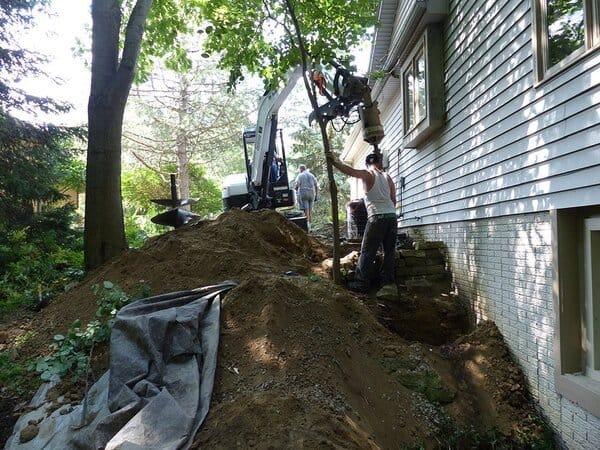
An on-site inspection is necessary because two cracks that look similar can require very different solutions.
Homeowners can review our structural masonry repair services or request an on-site consultation to discuss a specific property.
Structural Repair Costs at a Glance
| Project level | Kelly Masonry’s planning range | Possible scope |
|---|---|---|
| Basic structural masonry repair | Around $5,000 | Localized crack or loose masonry repair after the cause and surrounding structure have been evaluated |
| Average structural masonry repair | Around $10,000 | More involved crack repair, foundation masonry work, stabilization, or repairs requiring additional excavation and preparation |
| Extensive structural masonry repair | $18,000–$20,000+ | Partial rebuilding, extensive foundation or wall repair, columns, structural openings, underpinning, or multi-area remediation |
These ranges reflect the types of structural masonry projects Kelly Masonry typically performs. Some projects may require plans or specifications from a licensed structural engineer before an exact construction proposal can be prepared.
For nonstructural restoration pricing, review our guide to brick and masonry repair costs.
What Counts as Structural Masonry Damage?
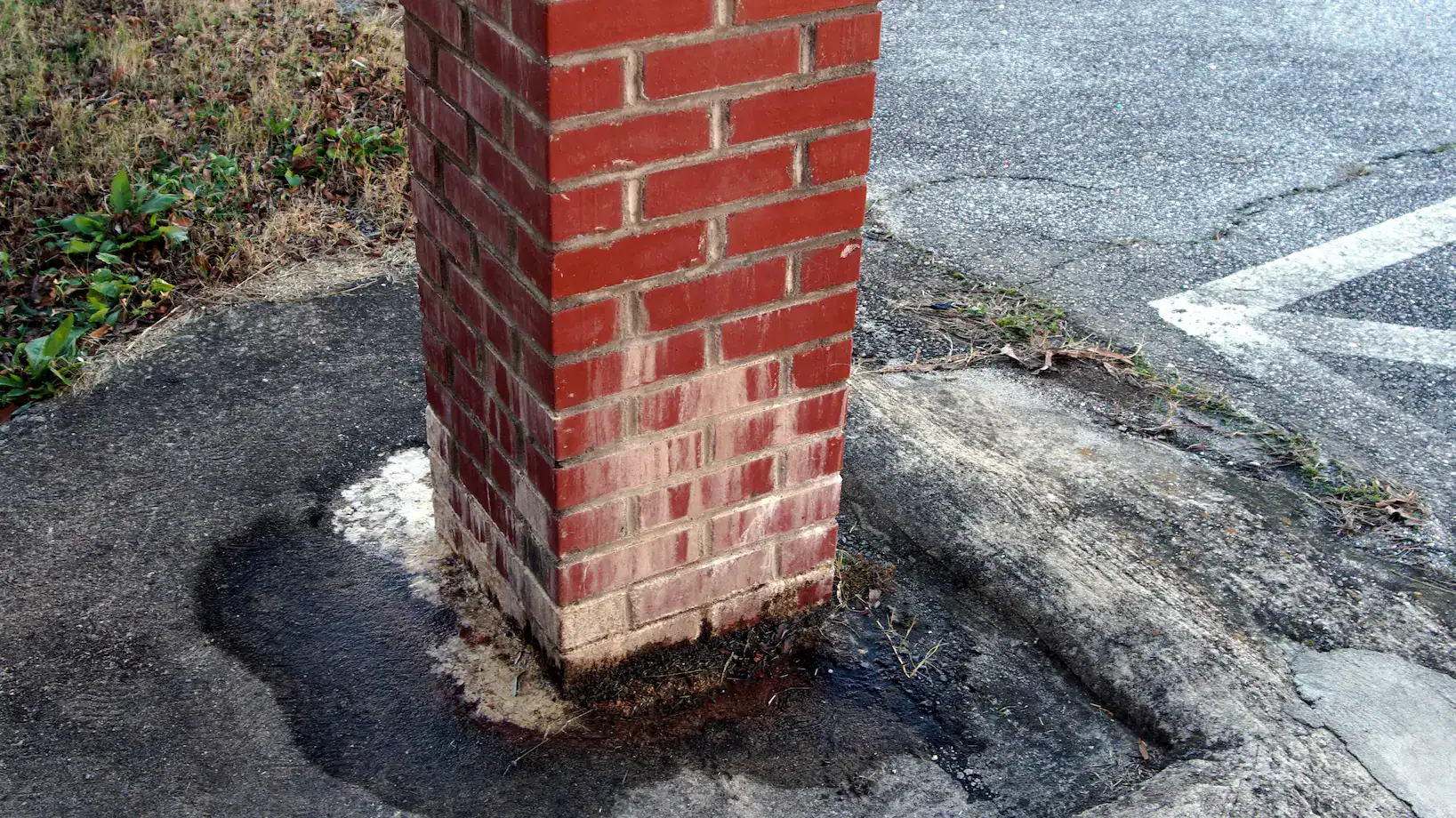
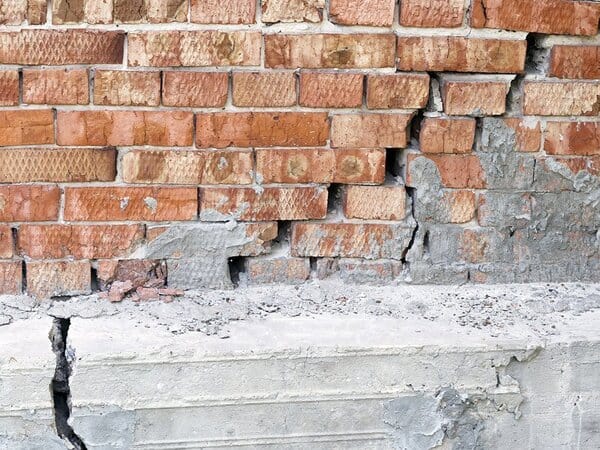
Structural masonry damage affects—or may indicate a problem with—the components supporting a home or resisting soil, water, and building loads.
Examples can include:
- Foundation walls that are bowing, leaning, or shifting
- Large or changing cracks in masonry foundations
- Stair-step cracking accompanied by movement
- Brick or stone separating from the surrounding wall
- Loose masonry above doors and windows
- Failed or corroding lintels
- Settled or damaged masonry columns
- Displaced retaining or foundation walls
- Repeated cracking after previous repairs
- Water damage that has weakened mortar, brick, stone, or supporting materials
Not every crack is structural. Crack width, direction, location, movement, surrounding displacement, water entry, and construction type all help determine the appropriate response.
Deteriorated mortar without significant wall movement may require professional repointing rather than a larger structural repair.
When Should You Treat Structural Damage as Urgent?
Stay away from the affected area and seek immediate professional guidance when you observe:
- Sudden or continuing movement
- Falling brick, stone, concrete, or other building materials
- A visibly leaning or severely bowing wall
- A crack that is widening rapidly
- A wall separating from another part of the house
- A damaged structural column or support
- New damage following a vehicle impact, storm, fire, flooding, or excavation
- Gas odors, damaged utility lines, or other immediate hazards
Contact emergency services when there is an immediate danger. A local building official may also need to evaluate whether the structure can be safely occupied.
Photographs and an online description are not enough to determine whether a damaged structure is safe.
What Affects Structural Repair Cost?
Extent of the damage
A localized area generally requires less labor and material than a wall, foundation, or column that must be partially dismantled and rebuilt.
The visible crack may represent only part of the repair. The contractor may need to expose surrounding materials to determine how far the damage extends.
Cause of the damage
A lasting repair must address the cause of the movement or deterioration. Possible causes include:
- Soil settlement
- Poor drainage
- Hydrostatic pressure
- Freeze-thaw exposure
- Improper original construction
- Failed mortar
- Corroded lintels or embedded steel
- Overloaded or inadequately supported masonry
- Nearby excavation
- Tree roots
- Vehicle or equipment impact
Patching the visible crack without correcting the cause may allow the damage to return.
Homeowners experiencing recurring water problems can also review our guide to solutions for yard drainage problems.
Foundation and wall type
Stone foundations, concrete block foundations, poured concrete walls, brick walls, and mixed-material structures require different repair methods.
Older Main Line and Delaware County homes may also contain masonry materials and construction details that require careful matching and evaluation.
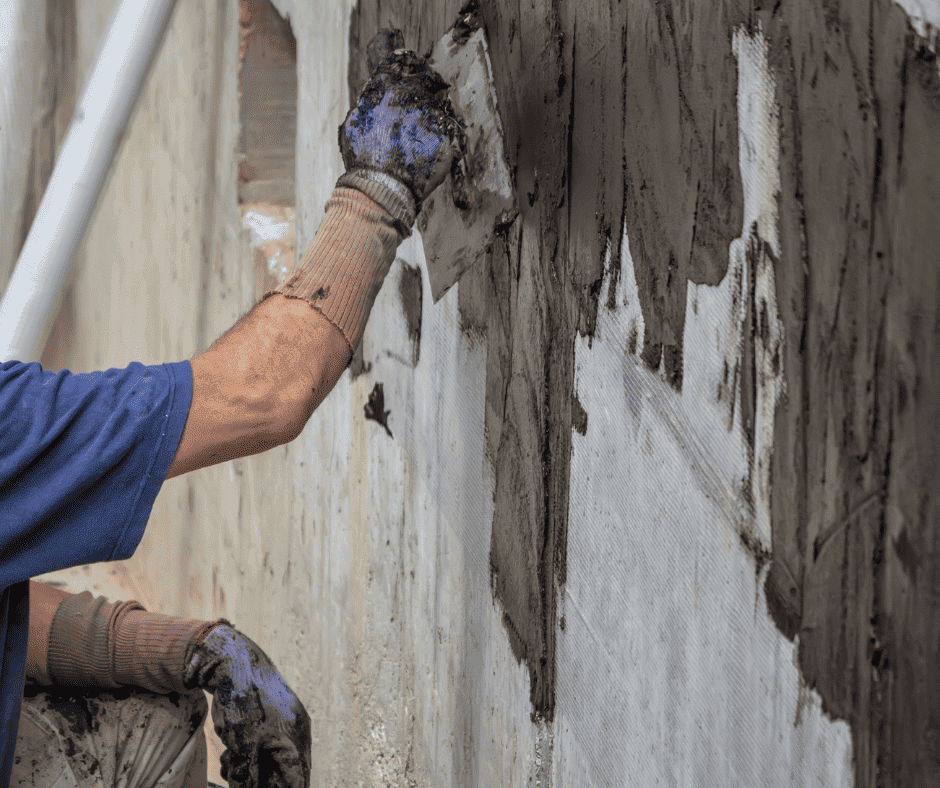
Interior foundation walls may sometimes receive a parging coat, but parging is not a substitute for structural repair. Learn more about what parging is and when a basement may need it.
Repair versus rebuilding
A stable section may be repairable through repointing, unit replacement, crack repair, reinforcement, or another localized method.
A severely displaced, unstable, or deteriorated section may need to be dismantled and rebuilt. Rebuilding requires more demolition, temporary support, materials, labor, cleanup, and restoration.
For localized brick or stone deterioration, visit our brick and stone repair service page.
Access and excavation
Repairing an exposed foundation wall is different from repairing a wall behind landscaping, patios, utilities, finished basement walls, porches, or other structures.
The proposal may need to include:
- Excavation
- Temporary shoring
- Scaffolding or lift access
- Utility coordination
- Removal and replacement of landscaping
- Interior demolition and restoration
- Protection of nearby surfaces
Water and drainage correction
Structural masonry damage can be connected to water entering through grading, downspouts, drains, wall caps, flashing, cracks, or surrounding hardscape.
When water contributes to the problem, the project may need drainage or grading work in addition to masonry repair.
Correcting the masonry without addressing the water source may allow the damage to return.
Engineering, permits, and inspections
Some structural repairs require evaluation or design by a licensed structural engineer. The project may also require municipal permits, construction documents, and inspections.
These services can add to the project cost, but they help establish the correct repair scope and confirm that regulated work complies with applicable requirements.
Pennsylvania uses the Uniform Construction Code as its statewide building-code framework. Permit administration and specific submission requirements may still vary by municipality.
Homeowners should confirm requirements with their township or borough before construction begins.
Contractor vs. Structural Engineer: Who Should You Call?
A masonry contractor evaluates visible masonry conditions, repair access, materials, construction methods, and the practical scope of work.
A licensed structural engineer evaluates structural behavior and can design repairs involving loads, movement, foundations, beams, columns, underpinning, or significant stabilization.
You may need both professionals.
Kelly Masonry may recommend engineering involvement when:
- The cause of movement is unclear
- A wall is leaning or significantly bowing
- Underpinning is being considered
- A structural column or opening is affected
- The project requires calculated reinforcement
- A municipality requests sealed plans
- Damage involves multiple structural systems
- Previous repairs have failed
The engineer determines the structural design when engineering is required. The contractor then prepares and completes the construction scope based on the approved design.
Common Structural Masonry Repairs
| Repair type | When it may be needed | Possible work |
|---|---|---|
| Foundation crack repair | A foundation has localized cracking without extensive displacement | Evaluation, crack treatment, masonry repair, and correction of contributing moisture conditions |
| Stone foundation repair | Stone or mortar is loose, missing, or deteriorated | Repointing, stone resetting, localized rebuilding, and water-management improvements |
| Bowing wall repair | A masonry wall is moving inward or outward | Engineering, stabilization, reinforcement, drainage correction, or partial rebuilding |
| Lintel repair | Masonry above a window or door is cracking, dropping, or separating | Temporary support, lintel replacement or repair, and rebuilding surrounding masonry |
| Column repair | A masonry column is cracked, settled, displaced, or deteriorated | Stabilization, rebuilding, reinforcement, or foundation correction |
| Underpinning | An existing foundation needs additional support | Engineer-designed excavation, support installation, and foundation work |
| Partial wall rebuilding | A wall section is too unstable or deteriorated for a localized repair | Controlled dismantling, temporary support, material replacement, and rebuilding |
| Drainage-related remediation | Water or soil pressure is contributing to movement | Grading, piping, drainage, excavation, waterproofing components, and masonry repair |
The correct method depends on the building, materials, damage cause, and engineering requirements.
Why Structural Repair Estimates Can Vary
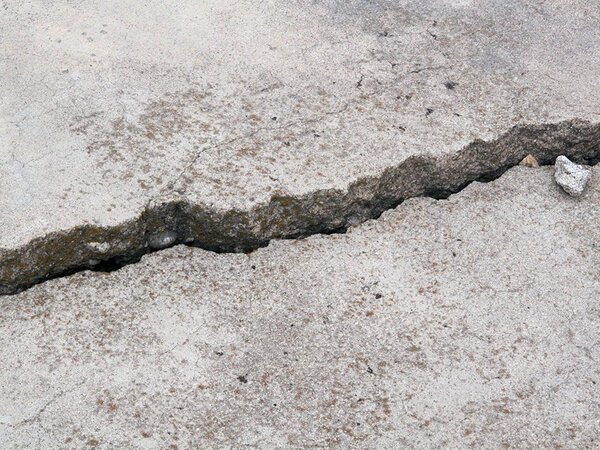
Two contractors may provide different prices because they are proposing different scopes.
One proposal may include only visible crack repair. Another may include engineering, excavation, temporary support, water correction, masonry rebuilding, permits, and restoration of surrounding surfaces.
When comparing estimates, ask:
- What is the probable cause of the damage?
- Is the proposal for diagnosis, stabilization, repair, or rebuilding?
- Is structural engineering included or separate?
- Are permits and inspections included?
- What excavation or access work is included?
- Is temporary shoring required?
- Does the proposal correct drainage or water problems?
- Which masonry materials will be repaired or replaced?
- What interior or exterior restoration is included?
- What conditions could change the price?
- What workmanship warranty applies?
- Who is responsible for coordinating other professionals?
Compare the complete scope rather than only the bottom-line price.
Homeowners can also review Kelly Masonry’s project process and determine whether Kelly Masonry is the right fit before requesting an estimate.
What Happens During a Kelly Masonry Structural Repair Consultation?
1. Initial discussion
Kelly Masonry gathers information about the damage, when it appeared, whether it has changed, and whether water or previous repairs are involved.
2. On-site inspection
The team evaluates visible masonry, access, surrounding surfaces, drainage, material condition, and the likely construction scope.
3. Engineering recommendation when needed
If the condition requires structural calculations, stabilization design, underpinning specifications, or permit drawings, the homeowner may need to involve a licensed structural engineer.
4. Written proposal
Kelly Masonry prepares a proposal describing the included repair work, materials, access requirements, price, and known exclusions.
5. Permits and scheduling
Required municipal approvals and inspections are addressed before regulated work begins.
6. Construction and communication
The team completes the approved work and communicates about site conditions or scope changes discovered during construction.
View examples of completed masonry and structural projects.
Frequently Asked Questions
How much does structural masonry repair cost?
Kelly Masonry structural repair projects typically begin around $5,000. Average projects may cost approximately $10,000, while extensive repairs commonly reach $18,000–$20,000 or more.
Does every foundation crack mean structural damage?
No. Some cracks are cosmetic or related to normal material movement, while others indicate settlement, water pressure, or structural movement. The crack’s pattern, location, change over time, and surrounding displacement should be evaluated.
Who determines whether a house is structurally safe?
A building official or qualified structural professional may be needed to make safety and code determinations. A masonry contractor can evaluate masonry conditions and construction needs but should not replace an engineer or building official when their involvement is required.
Does homeowners insurance cover structural repair?
Coverage depends on the policy and cause of the damage. Homeowners should document the condition and contact their insurance provider before beginning non-emergency work when they intend to submit a claim.
Do structural repairs require a permit?
Some do. Requirements depend on the municipality and repair scope. Work involving foundations, structural walls, columns, reinforcement, or significant rebuilding is more likely to require plans, permits, or inspections.
What is underpinning?
Underpinning strengthens or extends an existing foundation when additional support is required. It should be based on site conditions and an appropriate engineered design.
Can a cracked foundation be patched?
Some localized cracks can be repaired, but patching alone is not appropriate when the crack results from continuing movement, water pressure, settlement, or another unresolved cause.
How long does structural repair take?
The timeline depends on engineering, permits, access, excavation, repair scope, inspections, weather, and material availability. Kelly Masonry provides a project-specific schedule after the scope is established.
About the Author
John Kelly is the founder of Kelly Masonry and has more than 25 years of masonry experience. His team works on foundation masonry, structural walls, brick, stone, mortar, drainage, retaining walls, and related residential masonry throughout Delaware County, the Main Line, and surrounding Pennsylvania communities.
Reviewed by: John Kelly
Last updated: July 29, 2026
Concerned About Structural Masonry Damage?
Do not rely on an online price or photograph to determine whether a structural condition is safe.
Kelly Masonry can inspect visible masonry conditions, discuss the likely construction scope, and identify when structural engineering or municipal review may be required.
View our structural repair services, learn about our project process, browse completed masonry projects, or request an on-site consultation.