If you have a paver patio, walkway, or driveway, you’ve probably asked this question at some point:
Why do weeds keep coming back between my pavers, no matter what I do?
You pull them, spray them, or power wash them away—only to see them return weeks or months later. This is one of the most common frustrations homeowners have with paver patios, and the truth is, weeds are rarely the real problem.
In this article, we’ll explain why weeds grow between pavers, what actually causes them to keep coming back, and what long-term solutions really work. Our goal is to help you understand what’s happening beneath the surface so you can make informed decisions about patio maintenance.
The Biggest Misconception About Weeds Between Pavers
Most homeowners assume weeds are growing up from below the patio, breaking through the base or pushing the pavers apart. In reality, this is almost never the case.
The majority of weeds between pavers start from above, not below.
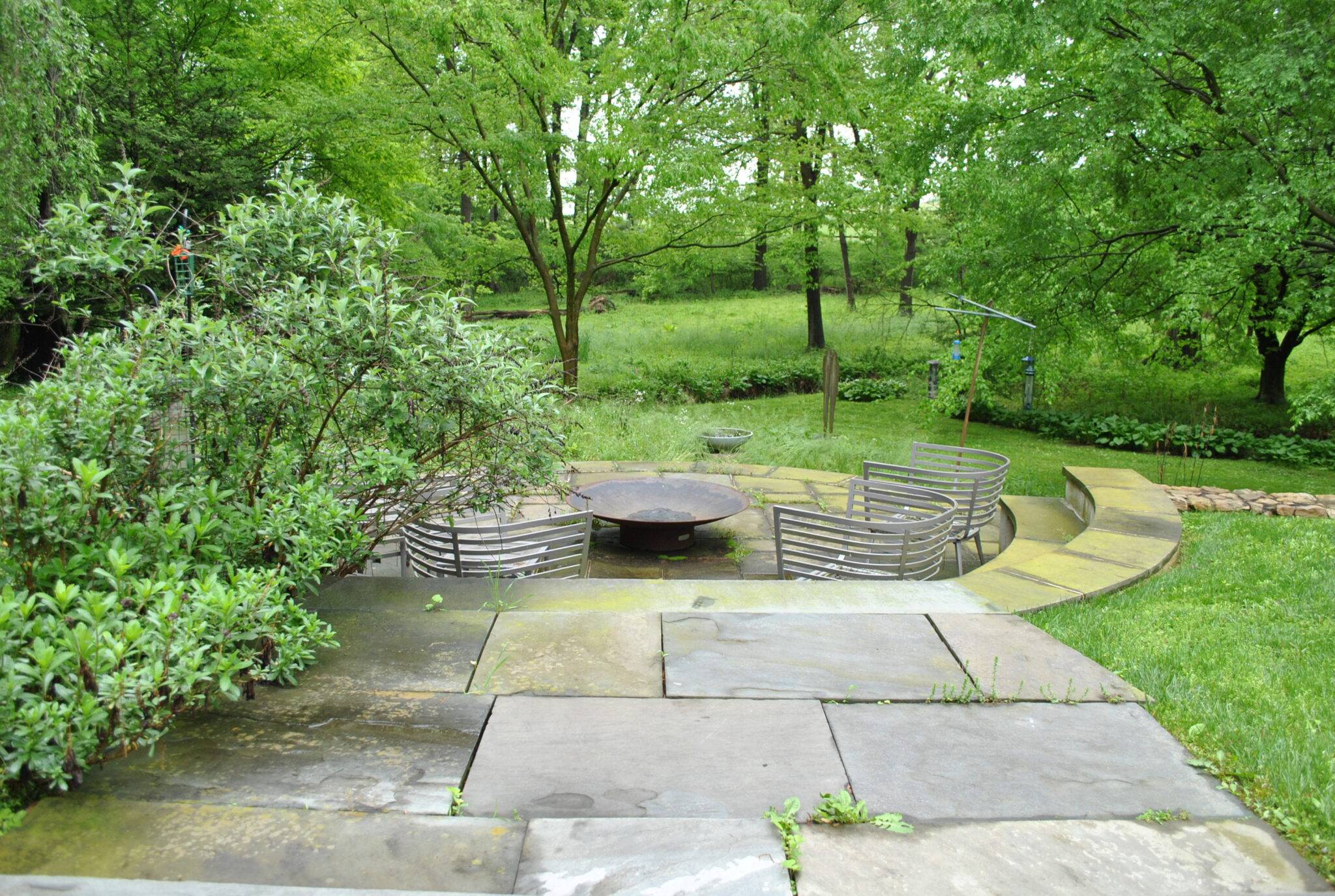
Seeds are constantly carried by wind, rain, birds, foot traffic, and organic debris. When those seeds find a place to settle—especially a joint that holds moisture—they take root.
If weeds are growing between your pavers, it’s a sign that the joints are no longer doing their job.
Why Paver Joints Matter More Than You Thin
The joints between pavers aren’t just cosmetic. They play a critical role in the stability and longevity of the entire patio.
Properly filled joints:
- Lock pavers together
- Reduce movement and shifting
- Limit moisture intrusion
- Prevent organic material from accumulating
When joint material breaks down, washes out, or is removed, it creates the perfect environment for weeds.
Common Reasons Weeds Keep Coming Back
1. Joint Material Has Worn Away
Over time, joint sand or mortar naturally breaks down due to weather, foot traffic, and seasonal freeze–thaw cycles. When joints become underfilled or open, they collect dirt, pollen, and moisture—ideal conditions for weed growth.
This is one of the most common reasons weeds return, even after being removed.
2. Improper or Aggressive Power Washing
Power washing is one of the biggest contributors to recurring weeds.
When done incorrectly, high-pressure washing can:
- Blast joint material out from between pavers
- Leave joints open and unprotected
- Force seeds and organic debris deeper into the joints
Without properly restoring the joint material afterward, weeds often reappear quickly—sometimes within weeks.
3. Organic Buildup in the Joints
Leaves, dirt, pollen, and moss gradually accumulate between pavers, especially in shaded or damp areas. Over time, this organic material essentially turns joints into soil.
Once that happens, weeds don’t just grow—they thrive.
4. Moisture Retention and Poor Drainage
Weeds love moisture. If water consistently sits on or between pavers, it accelerates joint breakdown and encourages plant growth.
Poor drainage, clogged joints, or low spots in the patio can all contribute to recurring weed issues.
5. Missing or Failing Polymeric Sand
Polymeric sand is designed to harden when activated, helping stabilize joints and limit weed growth. However, it isn’t permanent.
Over time, polymeric sand can:
- Crack
- Break down
- Wash out
When this happens, weeds often return unless the joints are properly refreshed.
Why Weed Killers and DIY Fixes Don’t Last
Sprays, vinegar solutions, and manual removal address what you can see—but not why the weeds are there in the first place.
These methods:
- Kill existing growth
- Do nothing to restore joint material
- Allow new seeds to settle almost immediately
That’s why weeds often return again and again, even after repeated treatments.
The Right Way to Stop Weeds Long-Term
Long-term weed control starts with addressing the condition of the joints, not the plants themselves.
Effective solutions often include:
- Proper, controlled cleaning that doesn’t damage joints
- Removing organic buildup from between pavers
- Replacing lost joint material
- Installing fresh polymeric sand where appropriate
- Addressing drainage or moisture issues
When joints are properly restored and protected, weeds have nowhere to take hold.
How Often Should Paver Joints Be Maintained?
There’s no one-size-fits-all answer, but most paver patios benefit from periodic joint maintenance every few years, depending on:
- Sun and shade exposure
- Amount of foot traffic
- Surrounding landscaping
- Local climate conditions
Regular inspections help catch joint issues early—before weeds become a recurring problem.
A Smarter Way to Know What Your Patio Needs
One of the biggest challenges homeowners face is knowing whether weeds are a simple maintenance issue or a sign of something more.
That’s why we encourage a low-pressure, informational approach.
Send us a short video of your patio—a quick walk-through on your phone is enough.
We can help you understand:
- Why weeds are appearing
- Whether joint maintenance is recommended
- What you can reasonably handle yourself
- When professional help makes sense
Clear answers lead to better decisions.
The Bottom Line
Weeds between pavers are rarely about the weeds themselves. They’re a symptom of joint material that has worn down, washed out, or been disturbed.
When addressed correctly, weed issues can often be minimized or eliminated without major renovation. The key is understanding the cause—and choosing maintenance solutions that fix the problem at its source.
If you have questions about your patio or want honest guidance, Kelly Masonry is always happy to help.
Protecting quality craftsmanship starts with proper care.
Why This Is Especially Common on the Main Line
Homeowners across the Main Line—particularly in areas like Wayne, Radnor, Bryn Mawr, Villanova, Gladwyne, and Haverford—tend to see weed growth between pavers more frequently than they expect. That’s largely due to a combination of our regional climate and mature landscapes.
The Main Line experiences consistent moisture throughout the year, from spring rain and humid summers to leaf buildup in the fall and freeze-thaw cycles in winter. Many properties also have large trees, established gardens, and shaded patios, which create ideal conditions for moss and organic debris to settle into paver joints.
In neighborhoods with older homes, patios may also be 10–20 years old or more. While the pavers themselves often remain structurally sound, joint material naturally degrades over time—making routine maintenance especially important in this area.
What Main Line Homeowners Can Do to Stay Ahead of It
If you live on the Main Line and have a paver patio, walkway, or pool deck, proactive maintenance is the best way to keep weeds from becoming a recurring issue:
- Schedule periodic joint sand replenishment (especially after heavy rains)
- Keep leaves and organic debris from sitting on the surface for long periods
- Be cautious with pressure washing—used incorrectly, it can remove joint material
- Address moss early, before it breaks down the sand between pavers
These small steps can dramatically extend the life and appearance of patios commonly found throughout the Main Line.
At Kelly Masonry, we work on patios across the Main Line every year, and one thing is consistent: weed issues are almost always a maintenance problem—not a construction failure. With the right care, even older patios in historic Main Line neighborhoods can continue to look great for decades.