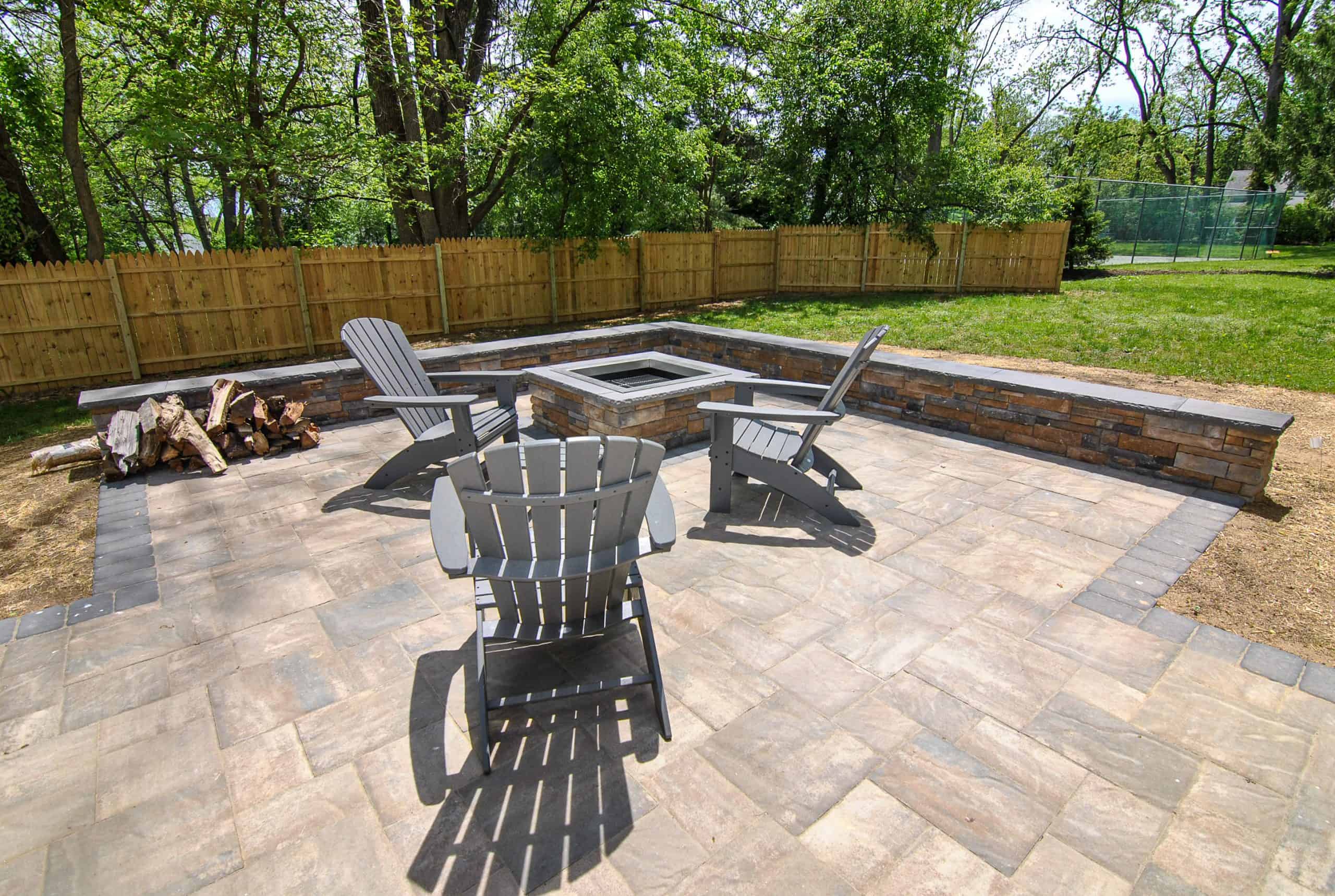
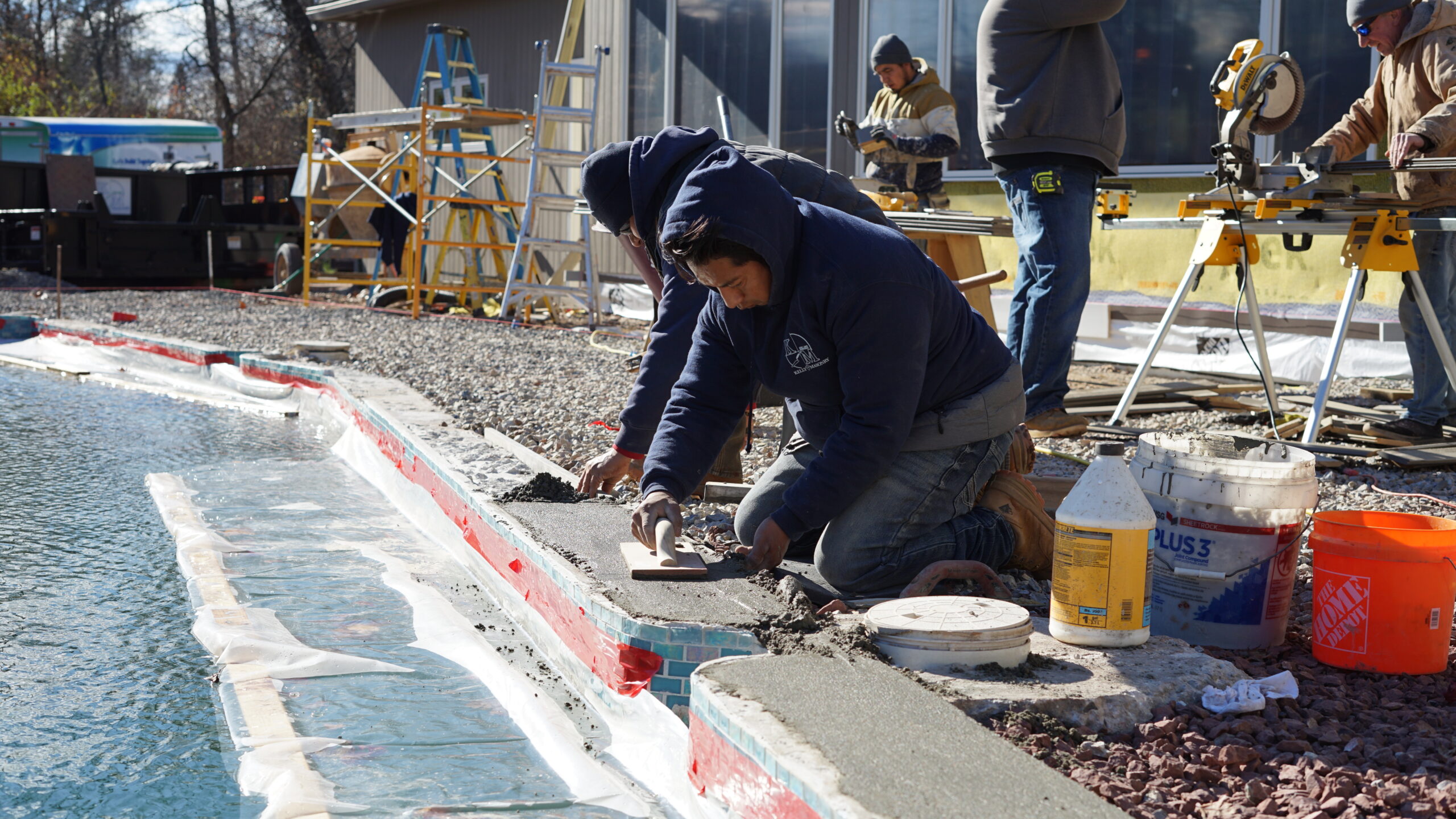
If you’re planning an outdoor living space or patio and have gathered a few estimates, you may have noticed something confusing:
One contractor quotes $25,000.
Another comes in at $45,000.
A third is even higher.
Naturally, the first thought is:
“Why are these estimates so far apart for what seems like the same project?”
This is one of the most common questions we hear at Kelly Masonry—and it’s a good one. The reality is that outdoor living and patio estimates can vary widely, but those differences usually come down to design, materials, preparation, and long-term performance, not guesswork.
In this article, we’ll explain:
- Why patio and outdoor living estimates vary so much
- What’s actually included in a professional estimate
- What lower-priced proposals often leave out
- How to compare estimates the right way
Our goal is simple: help you understand what you’re paying for so you can make a confident decision—whether you work with us or not.
1. Not All Patios or Outdoor Living Spaces Are Built the Same
Two patios can look similar in photos but be built very differently underneath.
For example:
- One contractor may install pavers on a thin base
- Another may excavate deeper, install proper stone layers, and address drainage
Both patios might look great at first—but only one is designed to hold up through freeze-thaw cycles, heavy use, and time.
Those construction choices have a major impact on cost.
2. Scope of Work: What’s Included (and What’s Missing)
One of the biggest reasons estimates vary is scope of work—what the contractor plans to do versus what they’re leaving out.
A detailed outdoor living estimate may include:
- Proper excavation and base preparation
- Drainage solutions to prevent settling and pooling water
- Retaining walls or structural elements where needed
- Premium materials selected for durability and appearance
- Accurate layout, grading, and finishing details
- Protection of surrounding landscaping and thorough cleanup
A lower estimate may:
- Minimize excavation
- Skip drainage improvements
- Use thinner base layers
- Leave grading or finishing vague
- Exclude cleanup or site protection
If it’s not clearly written in the proposal, it’s not guaranteed to happen.
3. Materials Make a Huge Difference in Cost and Longevity
Outdoor living spaces involve many material choices, and each one affects price.
Pavers vs. Natural Stone
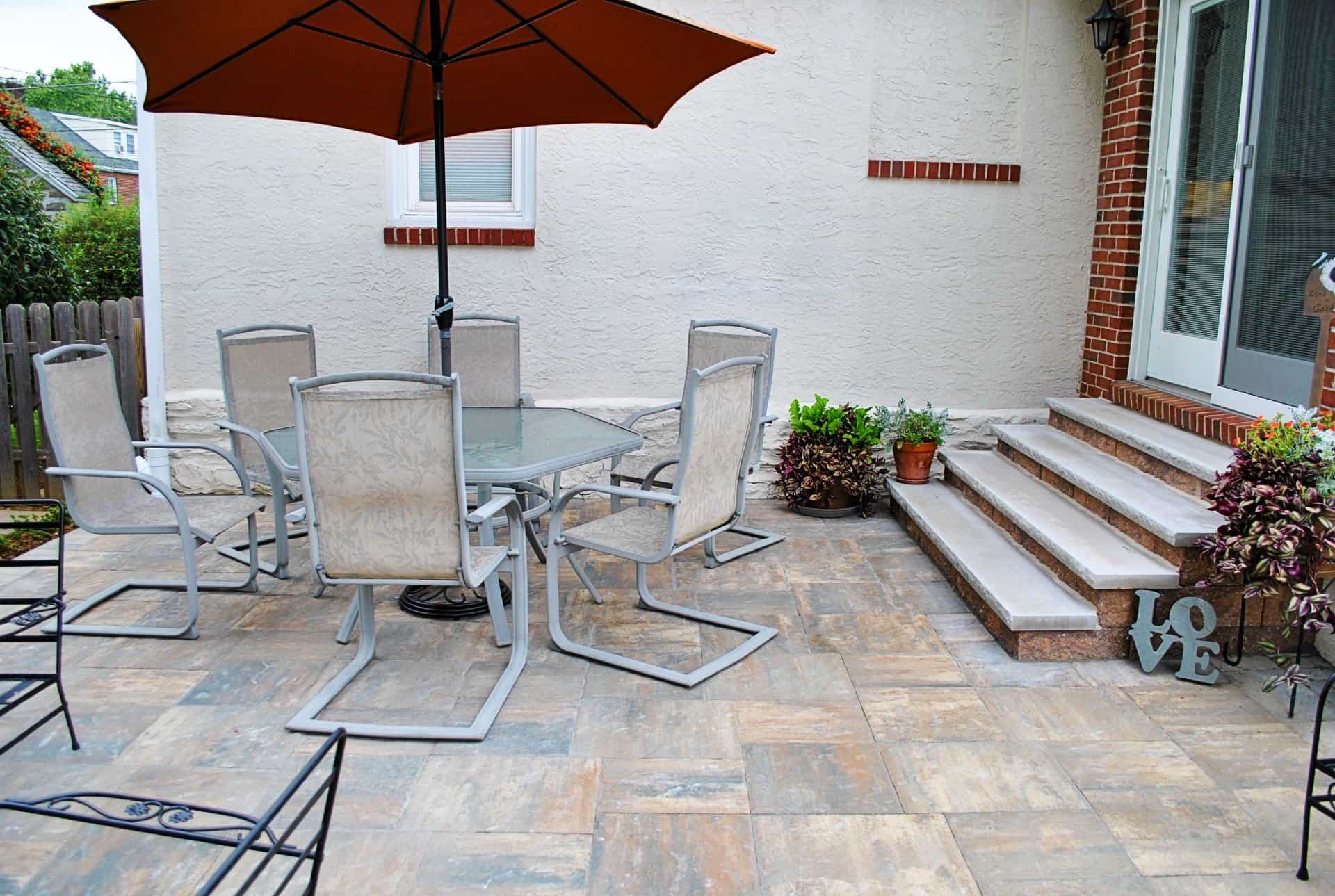
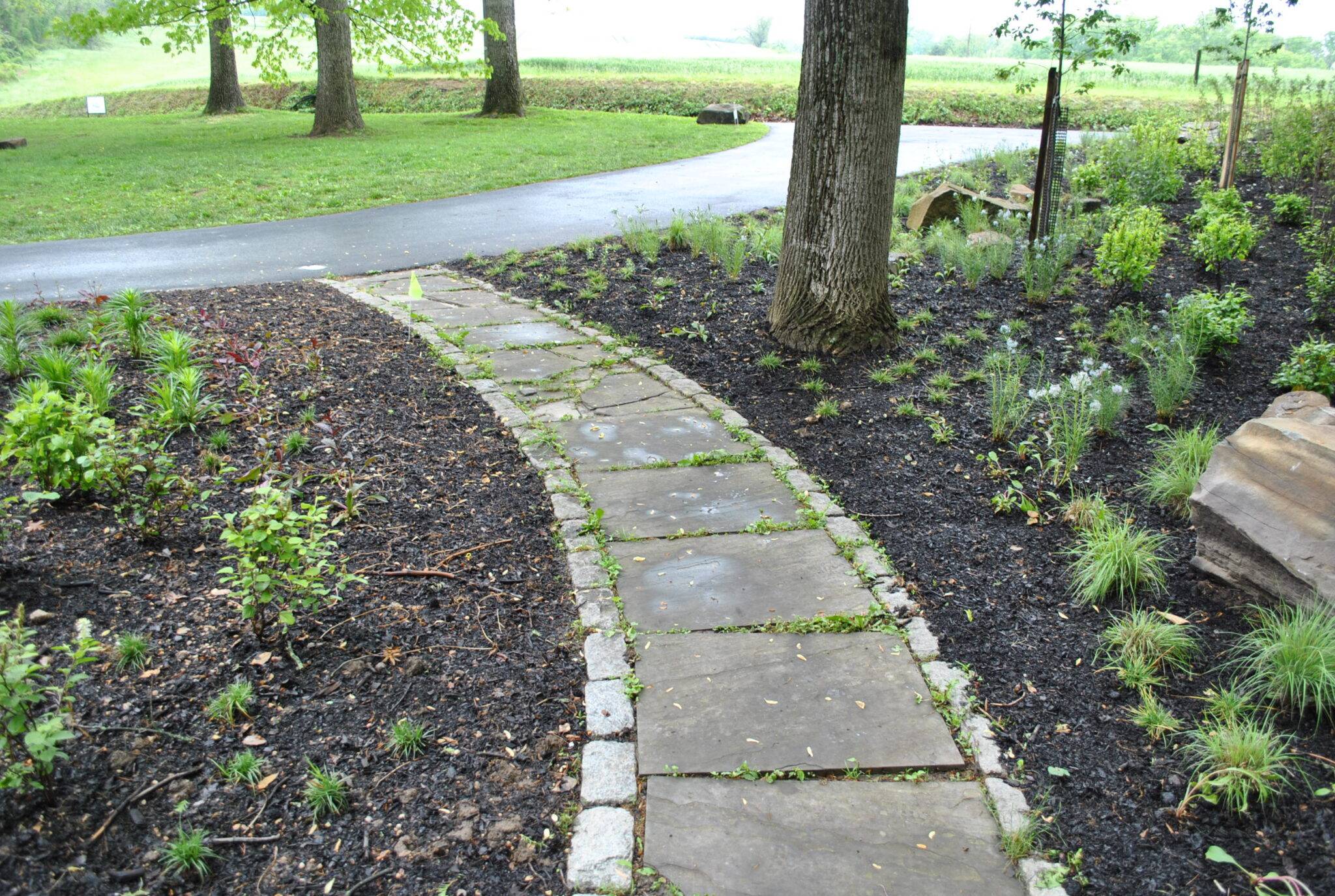
- Natural stone typically costs more due to material price and labor
- Pavers can vary widely in quality and thickness
Retaining Walls & Features
- Segmental walls vs. custom stone walls
- Reinforced vs. decorative-only structures
Add-On Features
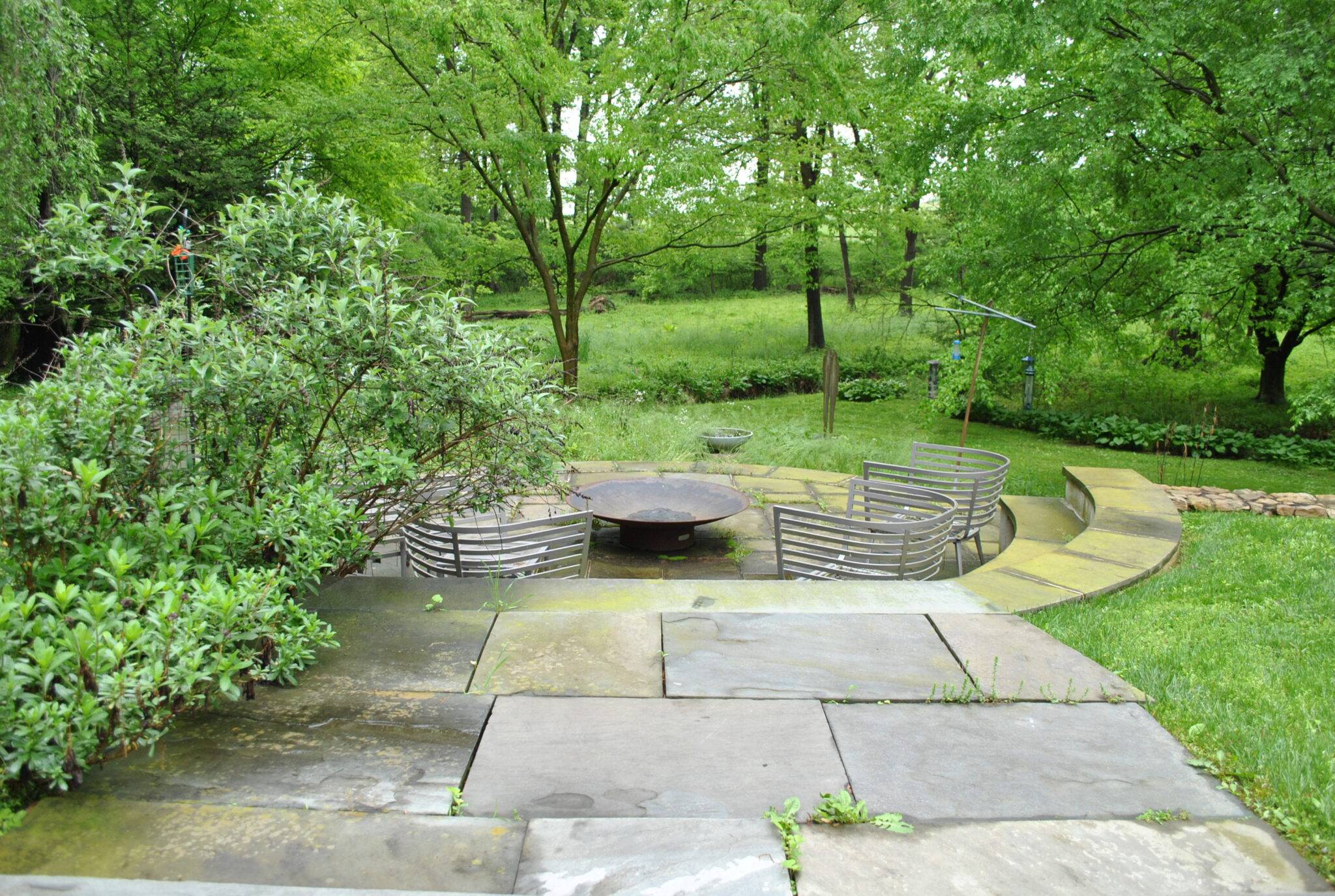
- Fire pits or fireplaces
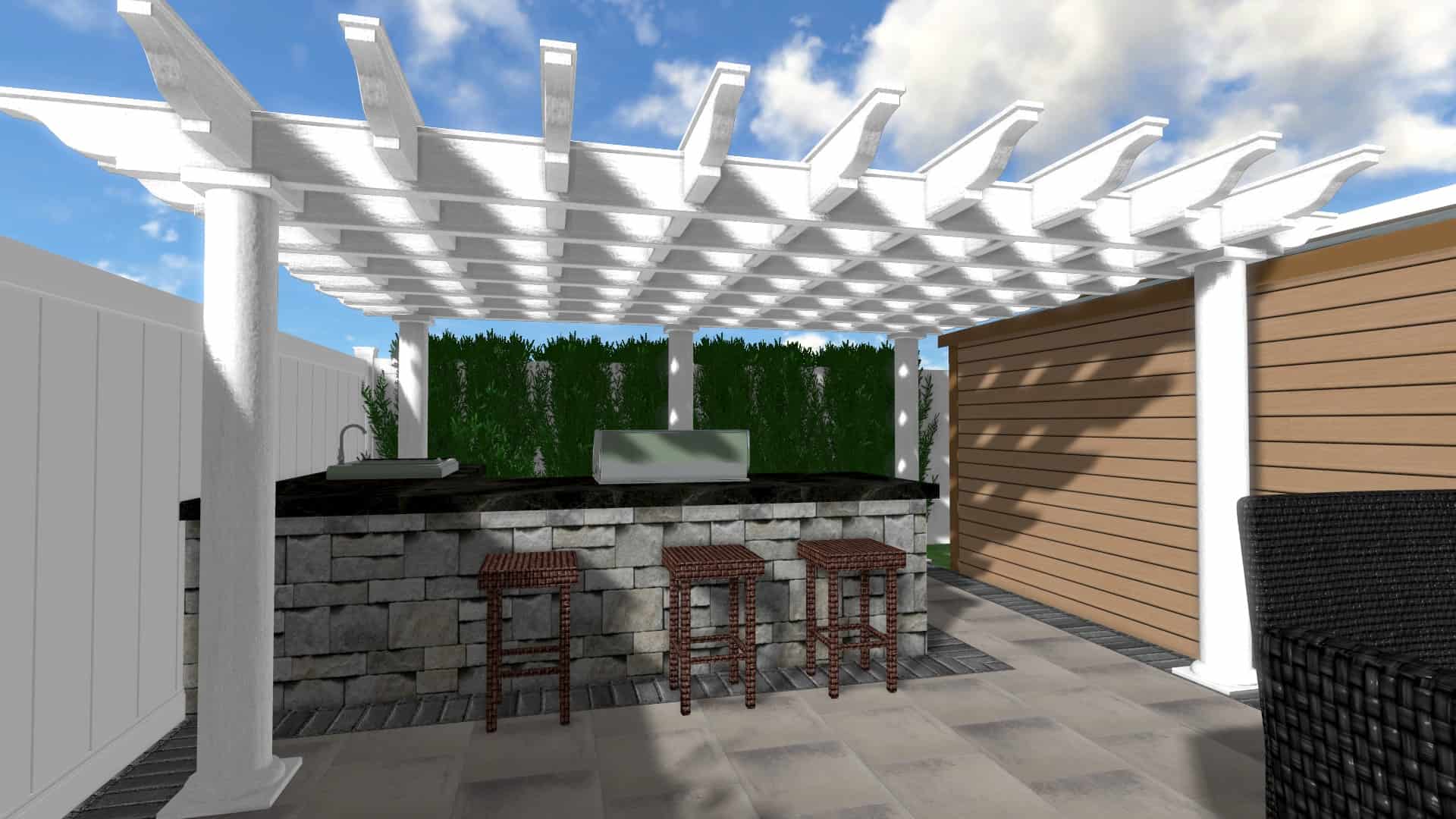
- Outdoor kitchens
- Lighting, seating, or water features
Higher estimates often reflect materials that:
- Last longer
- Perform better in Pennsylvania’s climate
- Require more skill and time to install properly
4. Labor and Craftsmanship Matter
Outdoor living projects are labor-intensive, and labor quality matters just as much as materials.
Skilled masons and hardscape professionals:
- Understand grading and drainage
- Know how to prevent movement and settling
- Take time to align patterns, joints, and finishes
Lower estimates often assume:
- Fewer labor hours
- Faster installation
- Less experienced crews
Paying more for labor usually means paying for precision, durability, and fewer problems down the road.
5. What You Don’t See Often Matters Most
The most important parts of a patio or outdoor living space are often invisible once the project is complete.
These include:
- Base depth and compaction
- Drainage and water flow
- Reinforcement for walls and features
- Proper transitions between structures
Skipping these steps can save money upfront—but it often leads to:
- Settling
- Cracking
- Water issues
- Costly repairs later
A higher estimate often reflects the work required to get these details right.
6. Design, Planning, and Project Management
Some estimates include more than just construction.
Higher-end outdoor living proposals may also include:
- Design consultation
- Material selection guidance
- Phased construction planning
- Clear communication and scheduling
These steps help ensure the finished space matches your expectations and functions well for years to come.
7. Insurance, Permits, and Risk
Professional estimates also reflect the cost of doing the job responsibly.
This includes:
- Proper insurance coverage
- Permits when required
- Safety and site management
- Warranty and post-project support
A significantly lower estimate may mean corners are being cut—not just in construction, but in protection for you as the property owner.
8. Why the Cheapest Patio Often Costs the Most
We frequently meet homeowners after a low-cost patio or outdoor living project has failed.
Common issues:
- Pavers shifting or sinking
- Walls leaning or cracking
- Poor drainage causing water problems
At that point, the original work often needs to be removed and rebuilt—meaning the project ends up costing more than if it had been done correctly the first time.
9. How to Compare Outdoor Living Estimates Properly
Instead of asking, “Why is this estimate higher?” ask:
- How deep is the base preparation?
- How are drainage and grading handled?
- What materials are specified, and why?
- Are retaining walls engineered or decorative?
- What’s included in cleanup and final detailing?
The contractor who can clearly explain these answers is usually the one you can trust.
10. What You’re Really Paying For
When you invest in a professional outdoor living space, you’re paying for:
- Thoughtful design and planning
- Skilled craftsmanship
- Proper preparation and drainage
- Materials chosen for longevity
- Fewer repairs and headaches in the future
It’s not always the lowest number—but it’s often the best long-term value.
Final Thoughts
If outdoor living or patio estimates vary widely, it’s usually because the approach and expectations are different, not because one contractor is overcharging.
Understanding those differences gives you control over the decision—and helps ensure your outdoor space is something you enjoy for years, not something you have to fix.
If you ever want help reviewing an estimate or understanding what’s included in a proposed outdoor living project, we’re happy to explain. An informed homeowner always makes the best choice.