What Makes a Rustic Outdoor Living Space Actually Work in Delaware County?
Key Points:
- Authentic rustic design relies on natural stone and timber, which require different maintenance and weatherproofing than modern composite materials.
- Pennsylvania’s freeze-thaw cycles can destroy poorly planned rustic spaces; proper material selection and drainage are critical for long-term survival.
- True rustic craftsmanship costs more upfront because it requires skilled masons and carpenters, not just assembling prefabricated pieces.
Why Homeowners Secretly Worry About Rustic Design in the Northeast
If you own a home in Springfield, Media, or anywhere along the Main Line, you have probably admired photos of gorgeous, rustic outdoor living spaces. The warmth of natural stone, the character of heavy timber pavilions, and the inviting glow of a fire pit create a perfect retreat. However, when it comes time to actually plan a project, many homeowners quietly ask themselves the same question: “I love the rustic look, but will it actually survive a Pennsylvania winter, or am I going to spend every spring fixing it?”
It is a completely valid concern. Many homeowners see beautiful rustic designs online that were built in mild climates like California or Texas. What works perfectly there will often fail miserably when exposed to Delaware County’s heavy clay soils, driving rain, and brutal freeze-thaw cycles. Watching a significant investment rot, crack, or settle unevenly is a frustrating experience we want to help you avoid.
In this guide, we are going to break down the reality of building rustic outdoor spaces in our specific climate. We will discuss what drives the costs, which materials actually last, and how to design a space that looks authentic without requiring constant, exhausting maintenance.
The Real Story: Designing Rustic Spaces That Survive Pennsylvania Winters
Why Authentic Rustic Design Quotes Surprise Homeowners
When homeowners start planning a rustic outdoor space, they are often surprised by the initial quotes. There is a common misconception that “rustic” means “simple” or “inexpensive.” In reality, creating an authentic rustic aesthetic that will last decades requires a significantly higher level of craftsmanship than installing a modern, prefabricated patio kit.
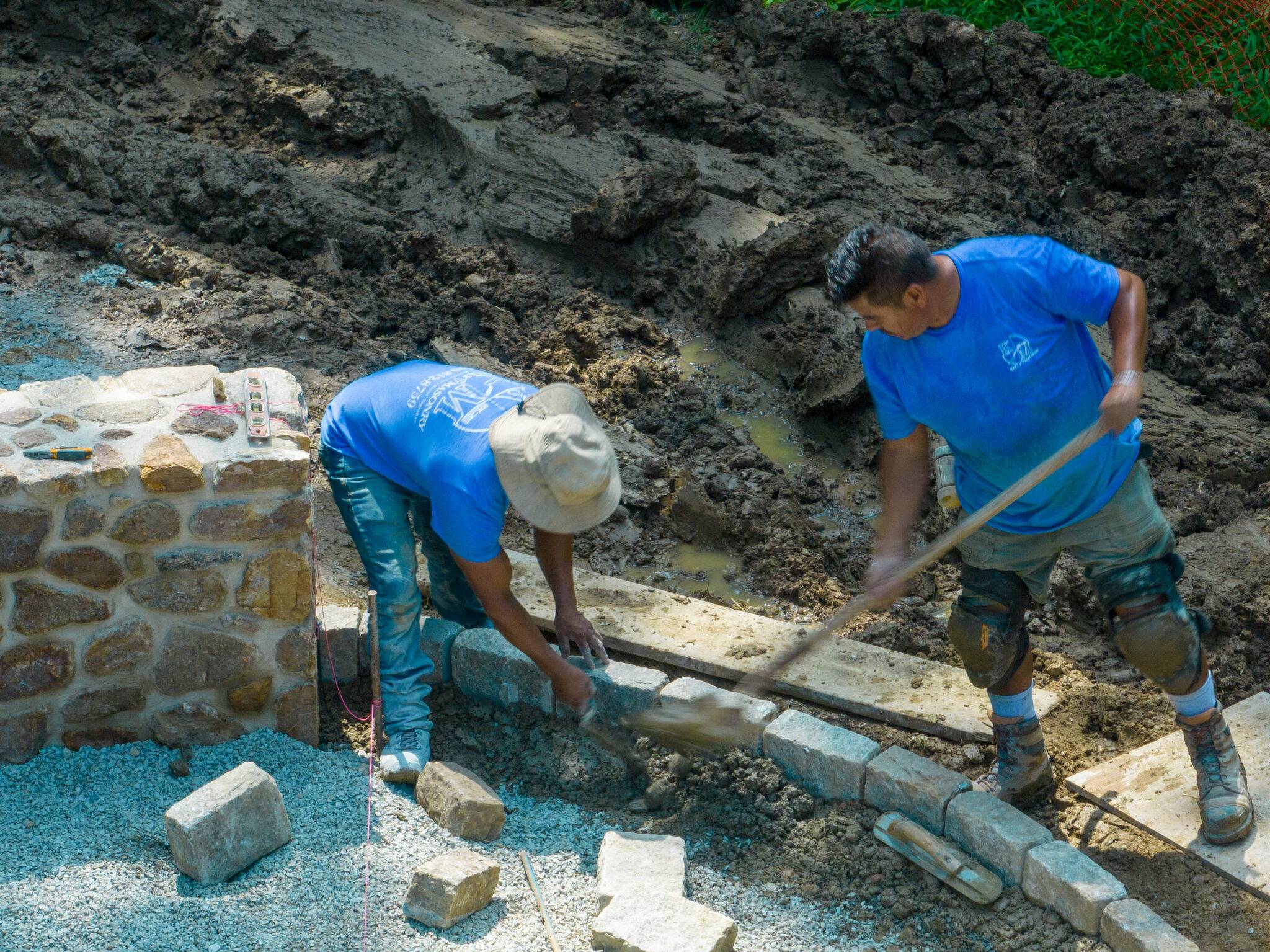
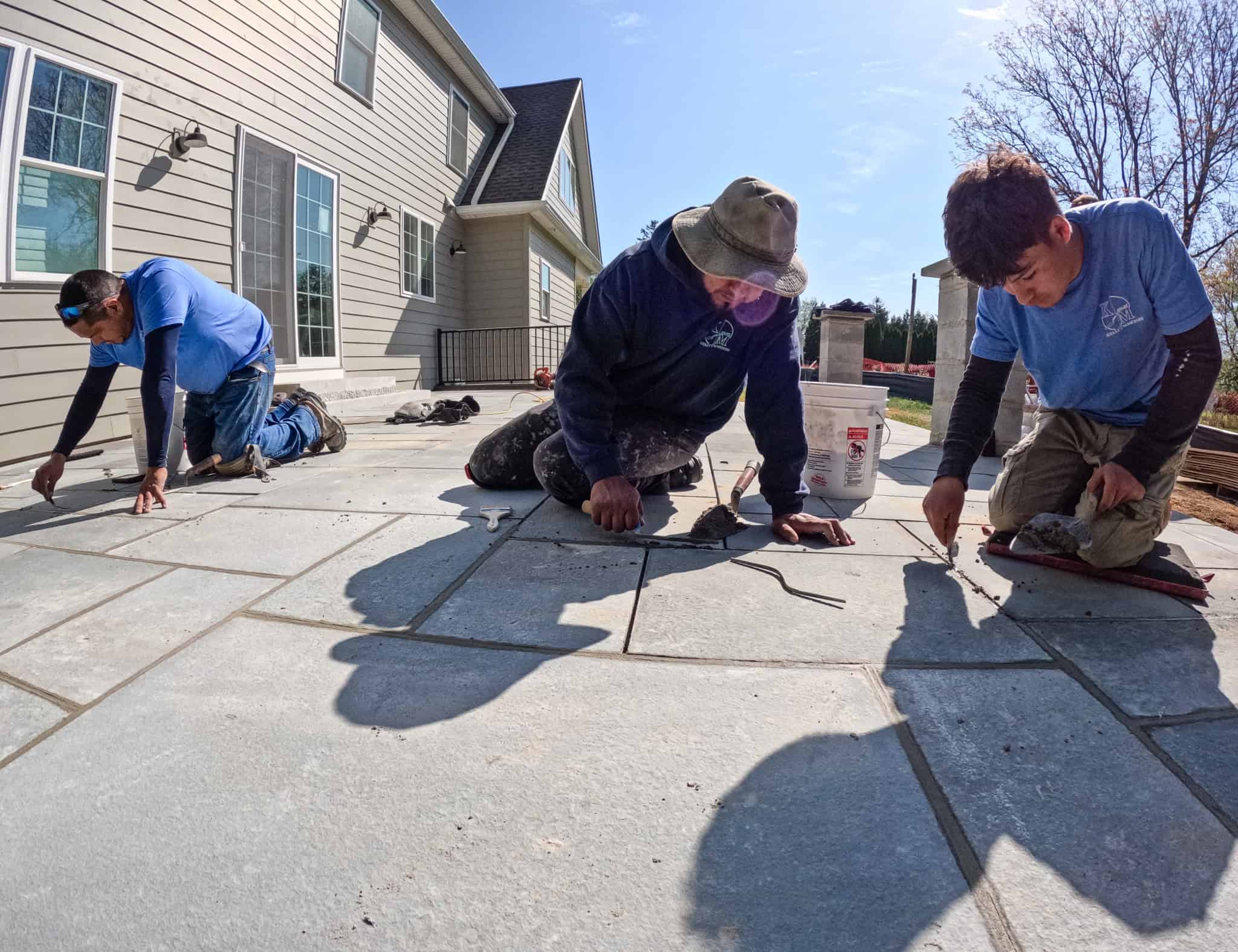
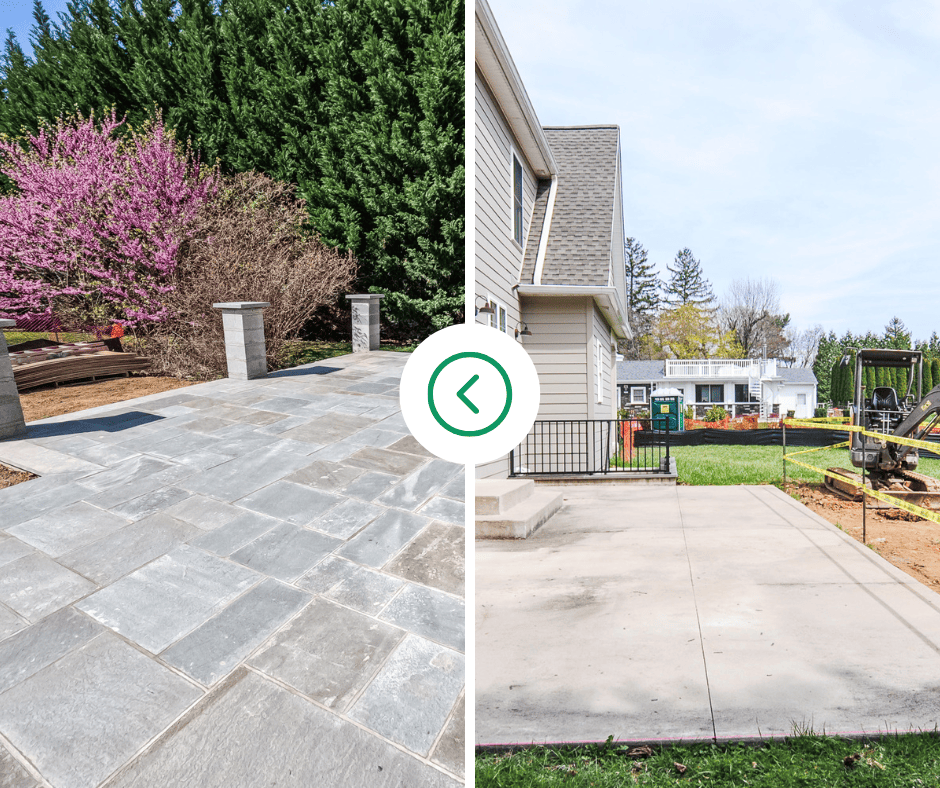
The cost difference comes down to labor and materials. A modern composite deck or a basic concrete patio can be installed relatively quickly using standardized pieces. A true rustic space, however, relies on natural flagstone, fieldstone boulders, and heavy timber framing. These materials are heavy, difficult to source, and require highly skilled masons and carpenters to cut, fit, and install correctly. You are paying for the artistry required to make the space look like it has naturally existed on your property for a century.
The Uncomfortable Truth About Natural Materials and Freeze-Thaw Cycles
The biggest challenge with rustic design in Delaware County is our climate. Natural materials are beautiful, but they are also porous. When you use natural stone for a patio or a fireplace, it acts like a hard sponge, absorbing rainwater and melting snow.
When the temperature drops below freezing, that trapped water turns to ice and expands. This expansion places immense internal pressure on the stone and the mortar joints. If the space was not designed with proper drainage, or if the wrong type of stone was used, this freeze-thaw cycle will quickly cause the stone to flake (spall) and the mortar to crack. A poorly planned rustic patio can start falling apart after just one harsh Pennsylvania winter.
Comparing Your Options: Authentic Rustic vs. “Rustic-Style” Alternatives
To help you make an informed decision, it is helpful to look at how authentic rustic materials compare to modern alternatives designed to look rustic.
| Feature | Authentic Natural Stone & Timber | “Rustic-Style” Manufactured Pavers |
|---|---|---|
| Initial Investment | Higher starting cost due to skilled labor | Moderate starting cost; faster installation |
| Aesthetic Appeal | Unmatched authenticity; unique variations | Consistent pattern; can look repetitive |
| Winter Durability | Requires specific stone selection and expert masonry | Excellent; engineered specifically for freeze-thaw climates |
| Maintenance Needs | Requires periodic sealing and mortar inspection | Very low maintenance; easy to clean |
How to Protect Your Investment Year-Round
Homeowners often ask how much maintenance a rustic space really requires. The honest answer is that it depends entirely on how the space was built. If you want to enjoy your outdoor living area year-round without constant worry, you have to plan for the weather during the design phase.
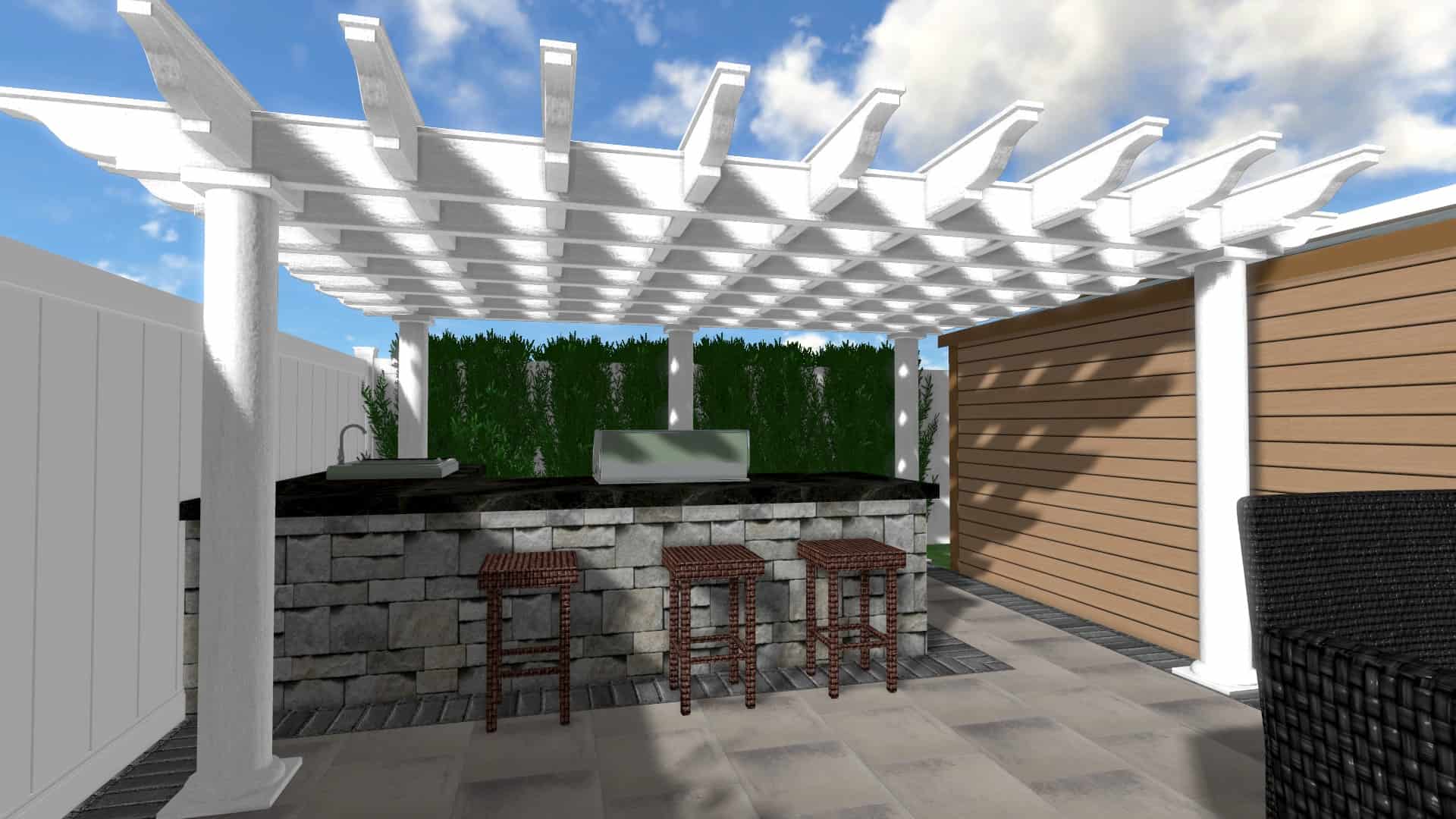
For example, adding a custom pavilion or a heavy timber pergola not only enhances the rustic aesthetic but also protects your stone kitchen and furniture from direct rain and snow. Incorporating a substantial outdoor fireplace extends your usable season well into the late fall and early spring. Most importantly, ensuring your contractor installs a deep, properly graded gravel base will prevent the clay-heavy soils of the Main Line from shifting and cracking your stonework when the ground freezes.
What Real Estate Agents Know About Authentic Outdoor Spaces
Investing in a high-quality outdoor living space is generally a very smart move for your property value. The National Association of Realtors reports that 92% of real estate agents recommend improving your home’s exterior before selling. Furthermore, 68% of homeowners say they have a stronger desire to be at home after finishing an outdoor project.
While “rustic-style” kits might provide an affordable entry point, they rarely offer the long-term value and timeless appeal of authentic craftsmanship. For homes in Wayne, Villanova, or Haverford, buyers are looking for quality that matches the architectural history of the neighborhood. The money you save on day one with cheaper materials is frequently lost when the space looks dated or begins to fail just a few years later.
Making the Right Choice: Building a Legacy for Your Delaware County Home
Your outdoor living space should be a source of relaxation, not a cause for future stress and costly repairs. While the rustic aesthetic is incredibly popular, the harsh realities of Delaware County winters mean it requires expert planning and execution. At Kelly Masonry, our design-build approach focuses on creating beautiful, resilient spaces using premium natural stone and interlocking pavers.
With over 20 years of experience, we understand exactly what it takes to build a rustic outdoor living area that will thrive in Pennsylvania. We also offer a paid design phase, allowing you to see exactly how your space will look and function before construction begins. If you are ready to invest in craftsmanship that will provide decades of enjoyment, we invite you to request a consultation today.
Common Questions About Rustic Outdoor Spaces and Winter Durability
Can I leave my rustic outdoor kitchen uncovered during the winter? While natural stone can handle the weather, leaving appliances and countertops exposed to snow and ice will significantly shorten their lifespan. We strongly recommend covering the kitchen area with a pavilion or, at minimum, using high-quality, custom-fitted winter covers for all appliances and masonry surfaces.
Why does natural stone cost more than stamped concrete? Natural stone costs more because it is quarried from the earth, transported, and then individually cut and fitted by a skilled mason. Stamped concrete is simply poured and pressed with a rubber mat. While concrete is cheaper, it is highly vulnerable to freeze-thaw cracking in Pennsylvania and lacks the authentic, timeless beauty of real stone.
How do I stop weeds from growing between my rustic patio stones? The best way to prevent weeds is during the initial installation. We use specialized polymeric sand in the joints between stones. This sand hardens like concrete to block weed growth and prevent insects from nesting, but it remains flexible enough to survive the winter freeze-thaw cycles without cracking.