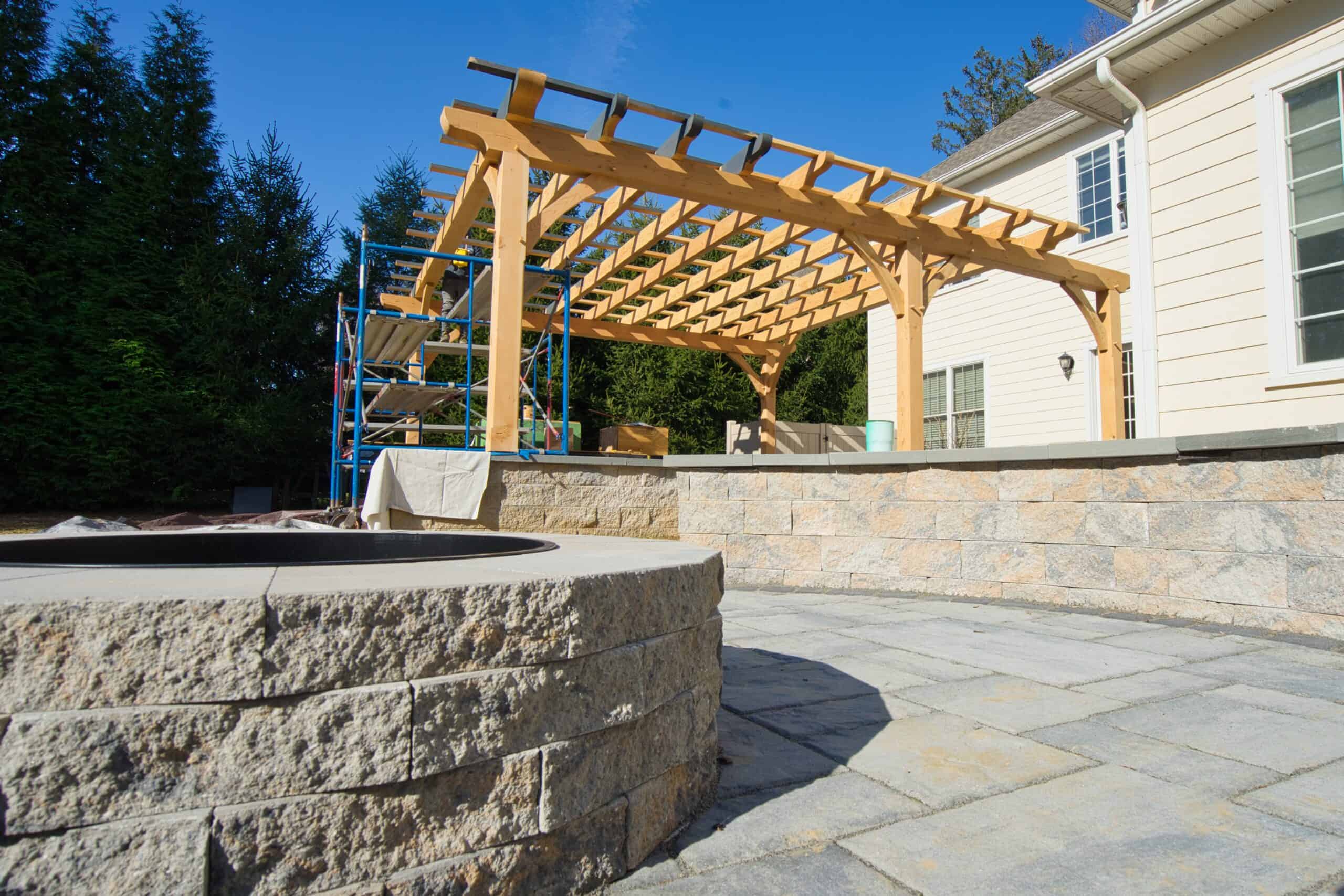
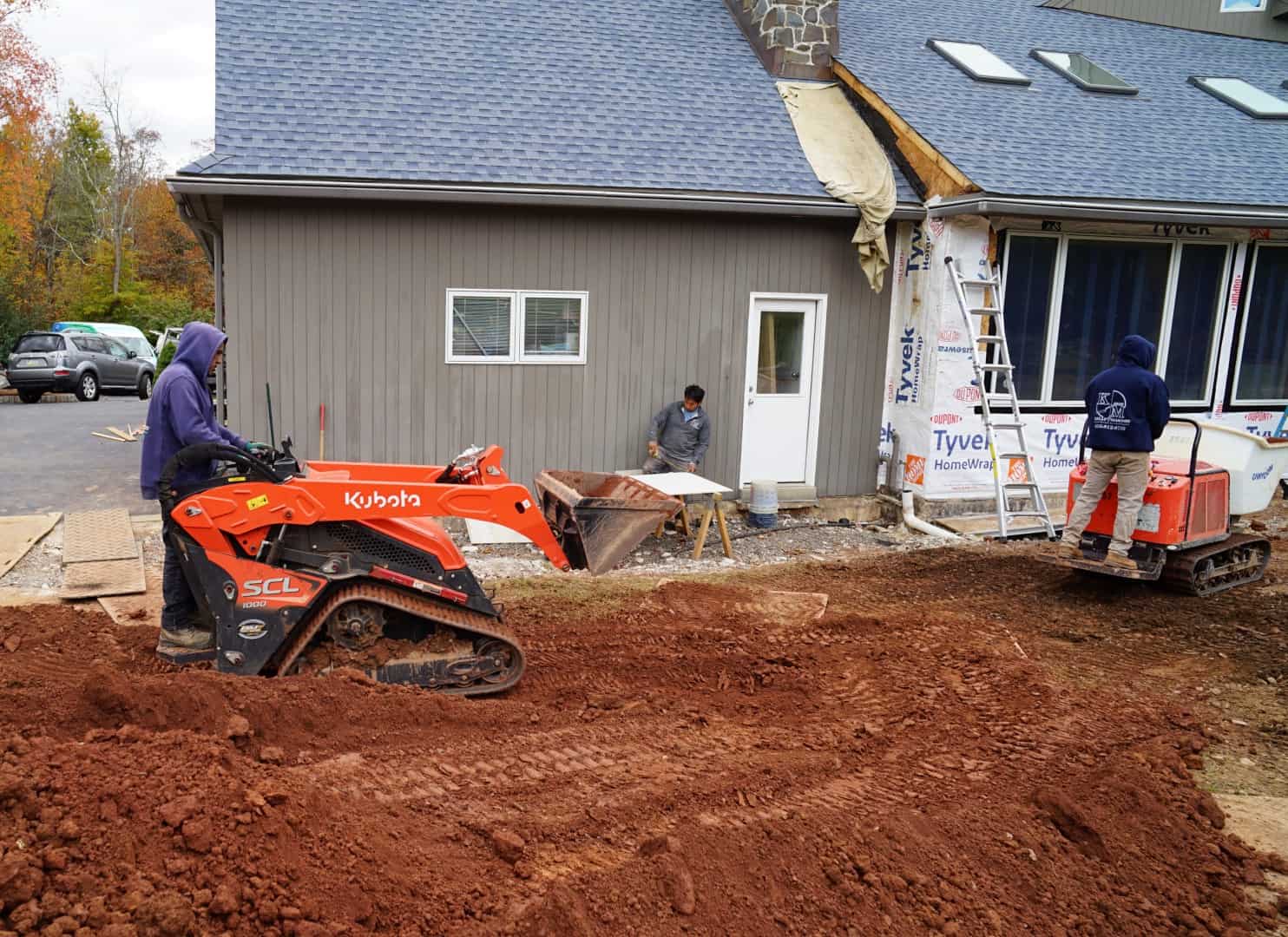
If you’re planning a new patio, walkway, outdoor living space, or other masonry work in the Main Line or Chester County, you’re making a big investment in your home. And just like any major investment, the contractor you choose will greatly influence the quality, durability, and long-term satisfaction of the result.
Here’s a comprehensive guide to help you evaluate and select the right masonry contractor — one who will deliver craftsmanship, reliability, and a finished product you’ll love for years.
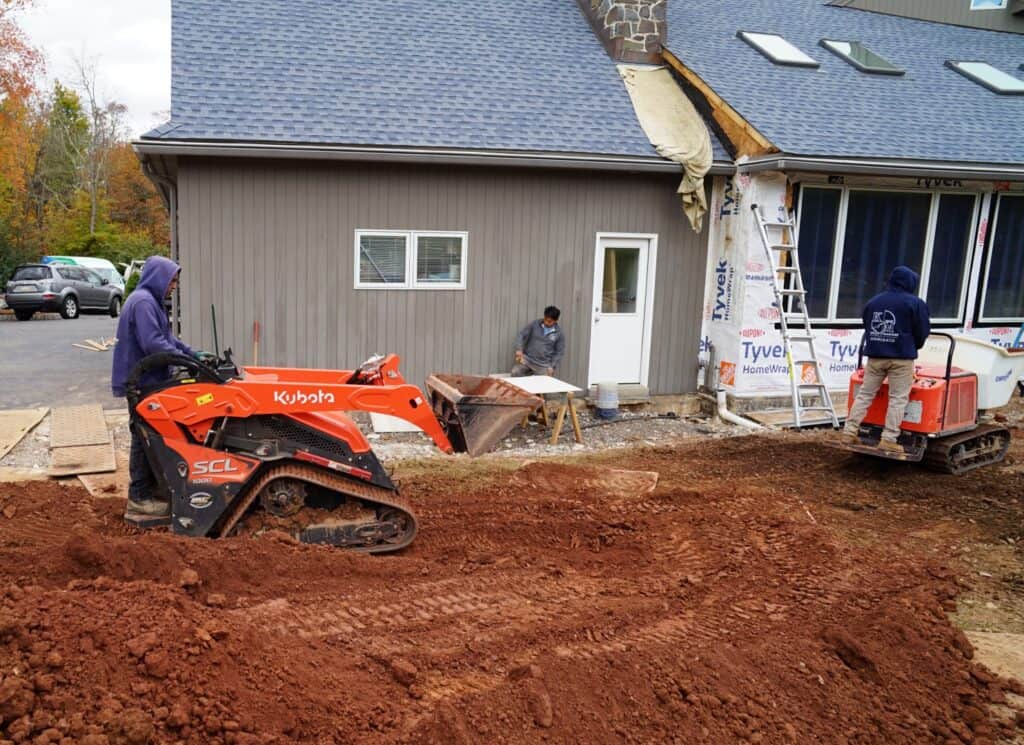
1. Understand Your Project and What You Need
Before you go contractor-hunting, take a moment to define your project:
- What kind of masonry work are you doing? (patio, walkway, retaining wall, brick restoration, thin brick backsplash, etc.)
- What materials are you hoping to use? (brick, natural stone, pavers, thin-brick veneer)
- What’s your target timeline and budget?
By knowing exactly what you want, you’ll be in a stronger position to evaluate contractors and ask informed questions.
2. Verify Credentials, Experience & Local Fit
When it comes to masonry, not all contractors are created equal. Here’s what to check:
- Licensing and insurance. A qualified contractor should carry liability insurance and workers’ comp, and (in many jurisdictions) hold the proper license. Failure to verify may expose you to risk if something goes wrong.
- Years in business + local presence. A contractor that’s been around locally (in the Main Line / Chester County) for several years is more likely to stand behind their work and to understand local climate and codes.
- Portfolio of similar work. If you’re having a custom-cut flagstone walkway built, you’ll want to see examples of that exact type of work—not just generic masonry. Many guides recommend reviewing past projects and talking with past clients.
- Specialty vs. generalist. Some contractors are generalists; others specialize in patios, stone, brick veneers, or restoration. Make sure they align with your specific needs.
3. Request and Compare Detailed Proposals
One of the biggest differentiators between an average contractor and an excellent one is how clearly they present their proposal and contract.
- Ask for at least 2–3 bids or proposals, so you can compare scope, materials, timeline, and cost. Experts stress that you should avoid choosing solely on the lowest bid.
- A detailed, written estimate should include: materials to be used (brand/quality), labor, site preparation, project timeline, payment schedule, clean-up, and warranty. Vague estimates are a red flag.
- Look for clarity around materials: Where are the bricks or stone coming from? Are they suitable for Pennsylvania’s climate (freeze/thaw cycles, drainage, etc.)? Some mistakes in hiring contractors stem from neglecting material suitability.
4. Ask the Right (Obscure) Questions
Beyond the obvious ones, here are some questions that often reveal how the contractor thinks, communicates, and takes responsibility:
- “How many projects like mine have you completed in the last 12 months?”
- “Who will be working on my site—your own crews or subcontractors?”
- “Walk me through your material selection. Why are these bricks/stone the right choice for this home/region?”
- “What is your plan for site protection, clean-up, and minimizing disruption (especially if we have neighbors close by)?”
- “What does your warranty cover? What happens if settling or joint failure happens down the road?”
These kinds of questions are recommended by hiring-tips resources as key to avoiding surprises.
5. Check References, Reviews & Past Client Feedback
Don’t skip this step. It’s one thing to see pictures; it’s another to speak with someone whose experience aligns with yours.
- Ask for recent client references (preferably ones that had the same or similar project). Suppliers may also be able to tell you how reliably the contractor pays and sources materials.
- Visit a past project, if possible. Walk the site, look at joints, leveling, and how the masonry has held up.
- Look up reviews on Google, Facebook, or local forums. Consistent complaints about delays, cleanup, or communication = red flag.
- Ask: “If you were doing it again, what would you have done differently?” Real-world feedback often reveals how the contractor handles hiccups.
6. Evaluate Value — Not Just Cost
It’s tempting to go with the lowest bid, but masonry is a trade where cutting corners often shows up later (loose bricks, failed mortar, improper drainage, short lifespan).
- A very low bid compared to others? Ask: What’s being omitted? (cheaper materials, less site prep, less skilled labor)
- A high-quality contractor will consider long-term durability, site conditions (soil, slope, drainage), and choose materials accordingly.
- Ask: “What will likely need maintenance over time? How will you address that now so I don’t have to later?”
Think of it as investing in peace of mind and longevity, not just getting the job done.
7. Timeline, Communication & Project Management
How the contractor plans to manage your job matters a lot.
- Get a clear timeline: start date, major milestones, expected completion. If they avoid giving one, it’s a warning sign.
- Ask how they will communicate with you (updates, changes, delays, cleanup). A contractor who keeps you in the loop reduces stress.
- Clarify responsibilities: site prep, debris removal, protection of landscaping, clean-up at the end. Who does what?
- Confirm permitting and inspections, if needed. A good contractor either handles them or guides you.
These process‐management details separate good contractors from the average.
8. Contract & Payment Terms
Once you decide, make sure you have everything in writing and understand payment expectations.
- Signed contract: scope of work, materials, timeline, payment schedule, warranty, what happens if changes occur.
- Payment tied to milestones: avoid paying large sums upfront. A fair contractor will want progress payments aligned with completed work.
- Change-order process: how do changes or additions get handled (costs, timeline impact)?
- Warranty/documentation: What’s covered, for how long, and what’s required from you (maintenance, sealing, etc.)?
Being structured upfront avoids disputes later.
9. Local Considerations for the Main Line / Chester County Area
Since you’re working in this specific Pennsylvania region, keep these region-specific considerations in mind:
- Weather & freeze/thaw cycles: Materials and installation methods must account for harsh winters and moisture. Ask how your contractor ensures frost heave protection and proper drainage.
- Historic homes & zoning: If your home is older (like many in the Main Line), materials and aesthetics may need to match existing architecture. Ask if the contractor has experience with your home’s era/style.
- Local materials supply & lead times: Contractors familiar with this area will know local stone yards, brick suppliers, and lead times for special orders.
- Neighborhood disruption & access: Many Main Line neighborhoods have tighter access, older landscaping, and specific aesthetic/regulation concerns — good contractors plan for this.
- After‐season maintenance: In this climate, sealing, joint care, and winter maintenance matter. Ask whether the contractor provides maintenance guidance or services.
10. Trust Your Gut — But Back It with Facts
Finally: How does your interaction feel? Do they answer your questions patiently? Do they explain things rather than just sell? A contractor who is transparent, responds well, and treats you as a partner will likely deliver better results.
But don’t rely only on feelings—balance that with the documentation, references, and the proposal review above.
Final Thoughts
Choosing the right masonry contractor in the Main Line or Chester County area isn’t just about price or appearance—it’s about craftsmanship, reliability, communication, and long-term value.
By doing your homework—clearing scope, verifying credentials, comparing detailed proposals, checking past work, and understanding processes—you’ll have greater confidence in your decision. Then when the first bricks or stones go in, you’ll know you’re working with a team who will deliver something beautiful and built to last.
If you’re considering a patio, walkway, pergola base, or full outdoor living transformation, the right contractor will make the difference between “just done” and “exceptional for years.”
At Kelly Masonry, we’re proud to serve the Main Line and Chester County, bringing experience, precision, and open communication to every project. Reach out when you’re ready — we’re happy to share our portfolio, walk you through the process, and provide a clear proposal tailored to your home.