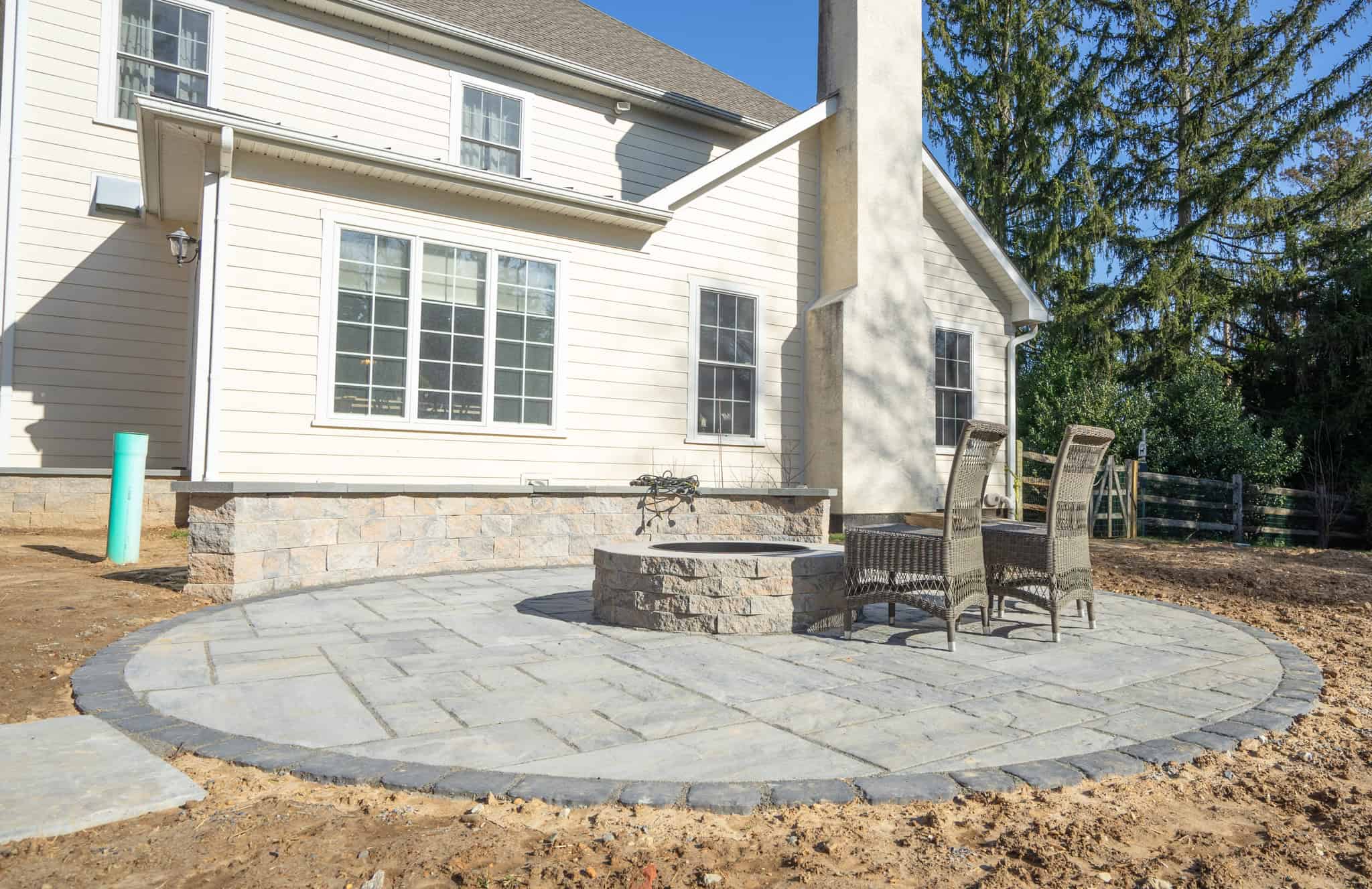
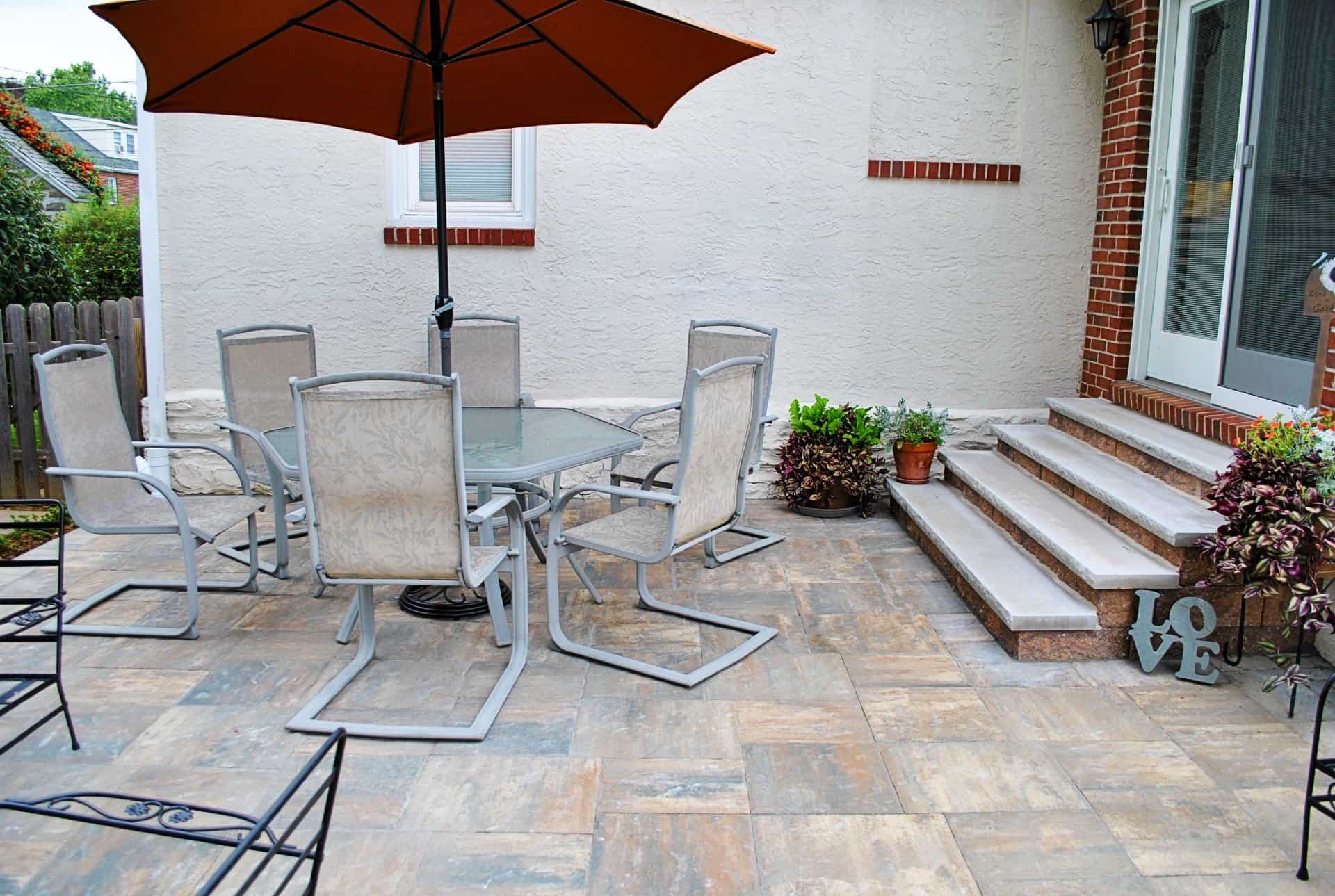
A realistic look at lifespan, durability, and what actually determines how long your patio will perform
One of the most common questions homeowners ask when planning an outdoor living project is simple: How long will a paver patio last? If you’re investing in your property, you want to know that your patio isn’t just going to look good for a few seasons — you want something built to last.
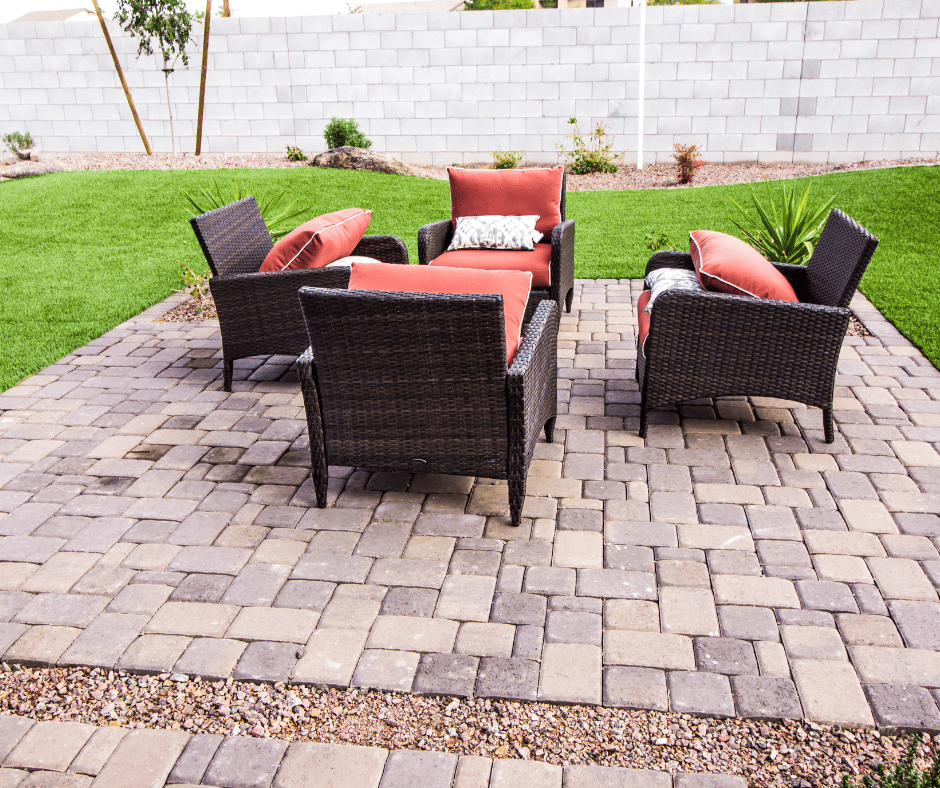
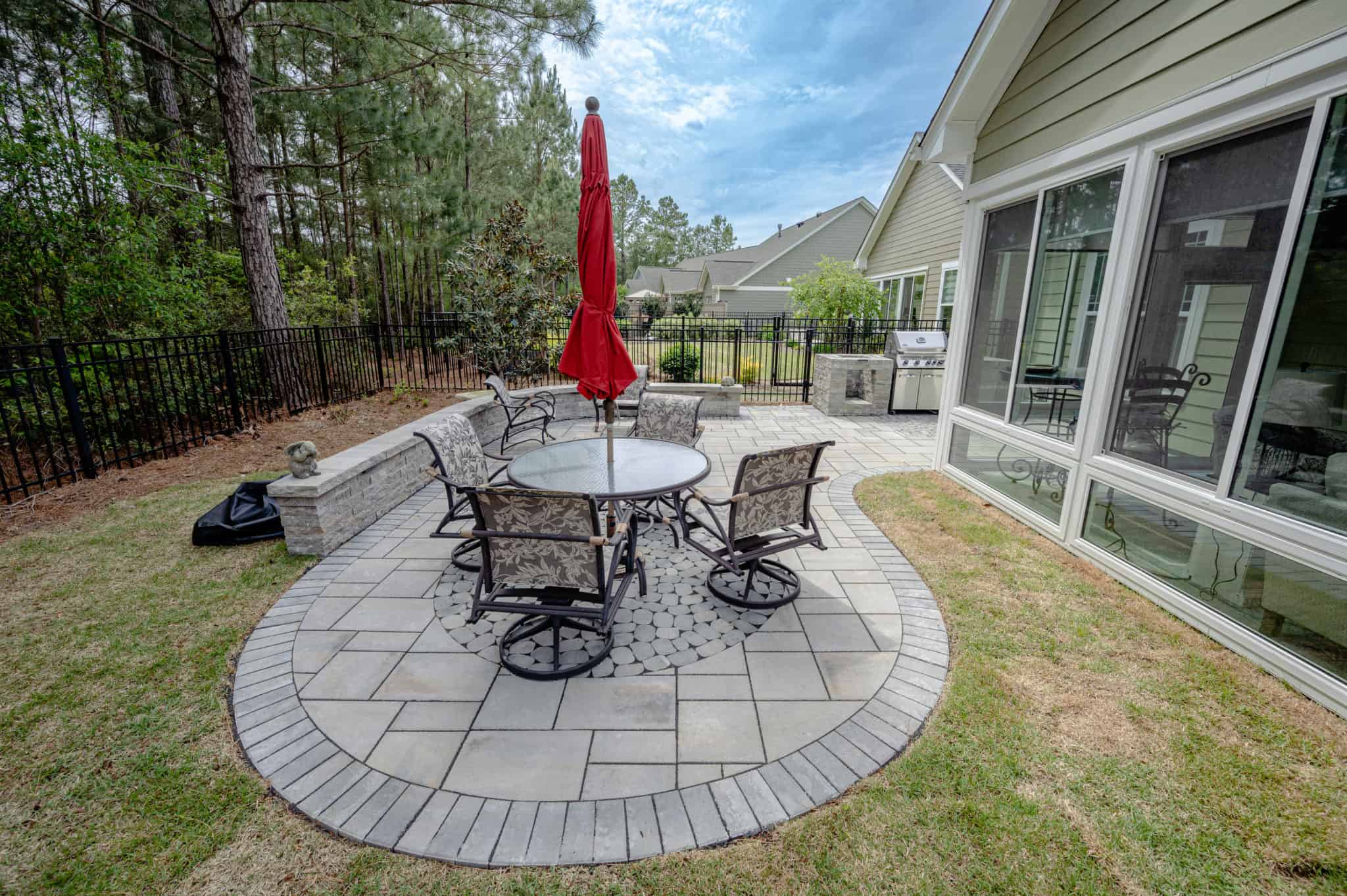
The short answer is that a professionally installed paver patio can last 30–50+ years, and in many cases even longer with proper construction and maintenance. But the real answer is more nuanced, because the lifespan of a patio isn’t determined by the pavers alone — it comes down to how it’s built, how it handles your local climate, and how it’s maintained over time.
Let’s break down what actually affects longevity so you can understand what to expect and how to protect your investment.
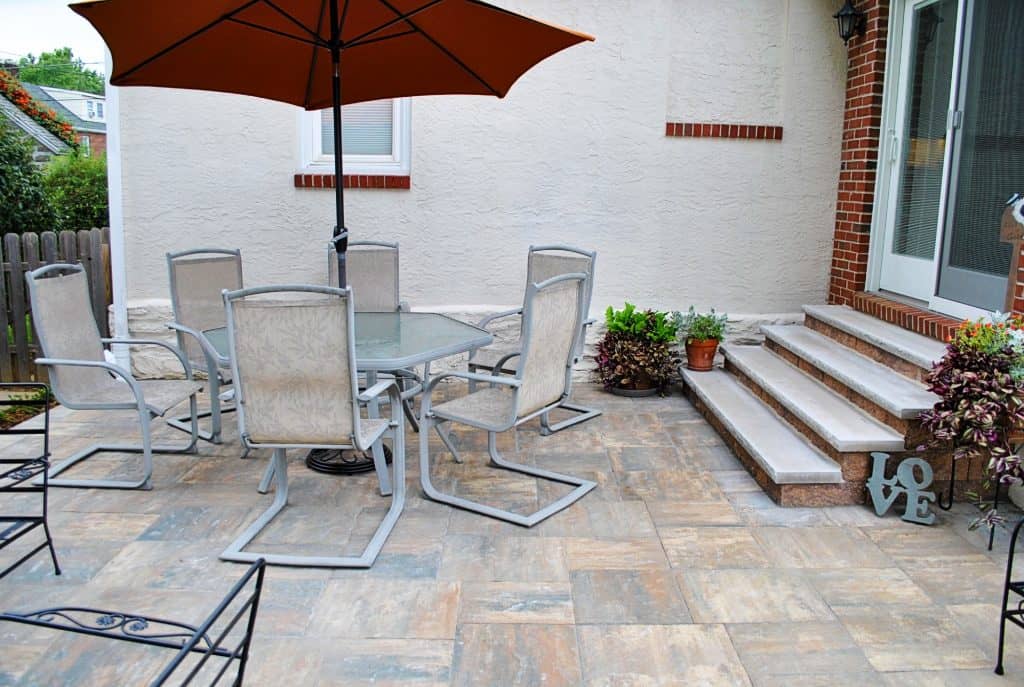
Why Paver Patios Last So Long
Unlike poured concrete or asphalt, paver patios are built as flexible systems made up of individual units installed over a compacted base. This flexibility allows them to move slightly with natural ground shifts and freeze/thaw cycles without cracking as easily as solid slabs.
Here’s why professionally installed paver patios tend to have long lifespans:
- Individual pavers are extremely strong and durable
- Proper base preparation distributes weight evenly
- Joints allow for natural expansion and contraction
- Repairs are localized instead of requiring full replacement
- High-quality materials are designed to withstand weather and foot traffic
In climates like Pennsylvania — where temperature swings and moisture are constant — that flexibility is a major advantage.
The Biggest Factor: Installation Quality
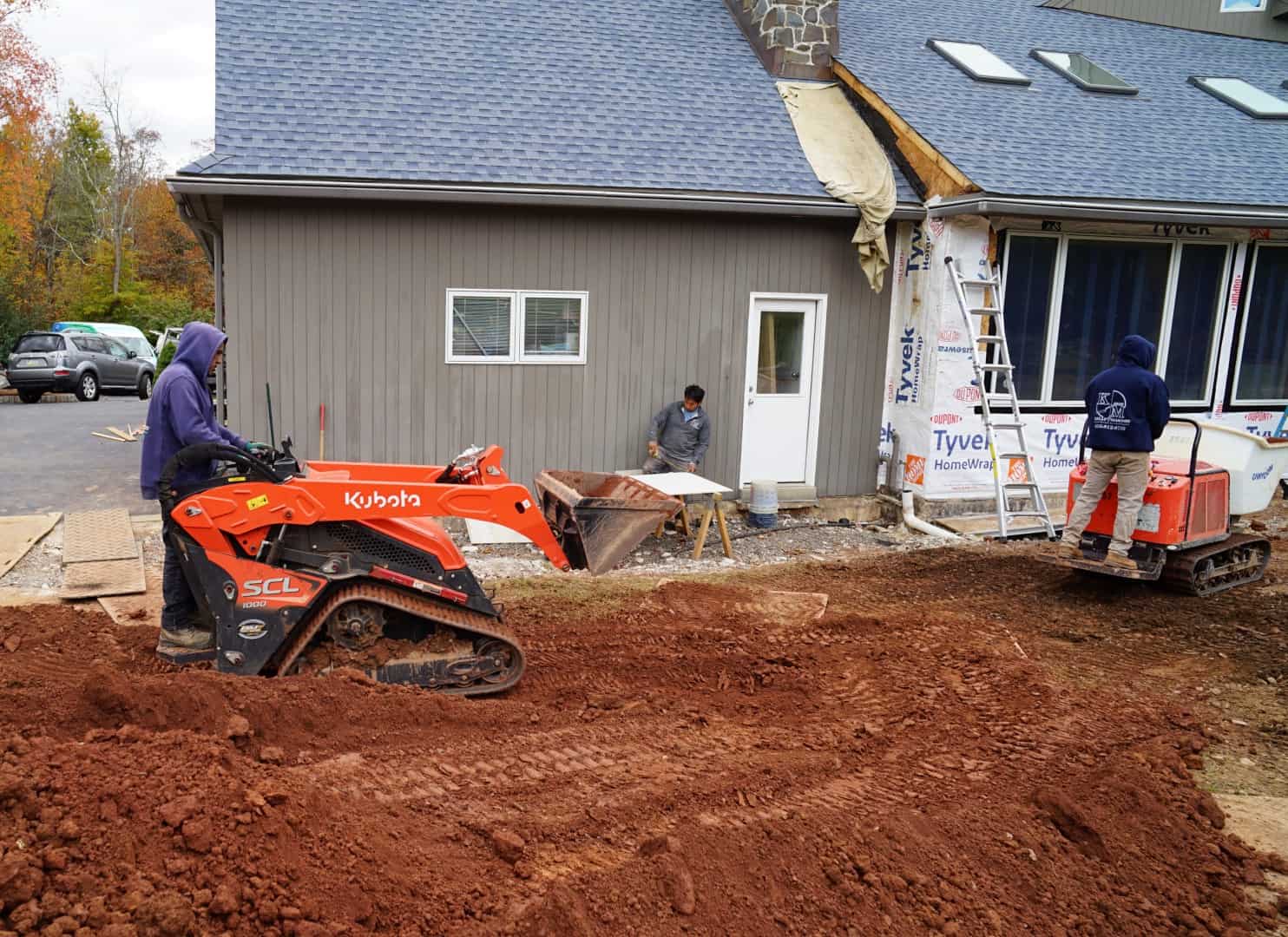
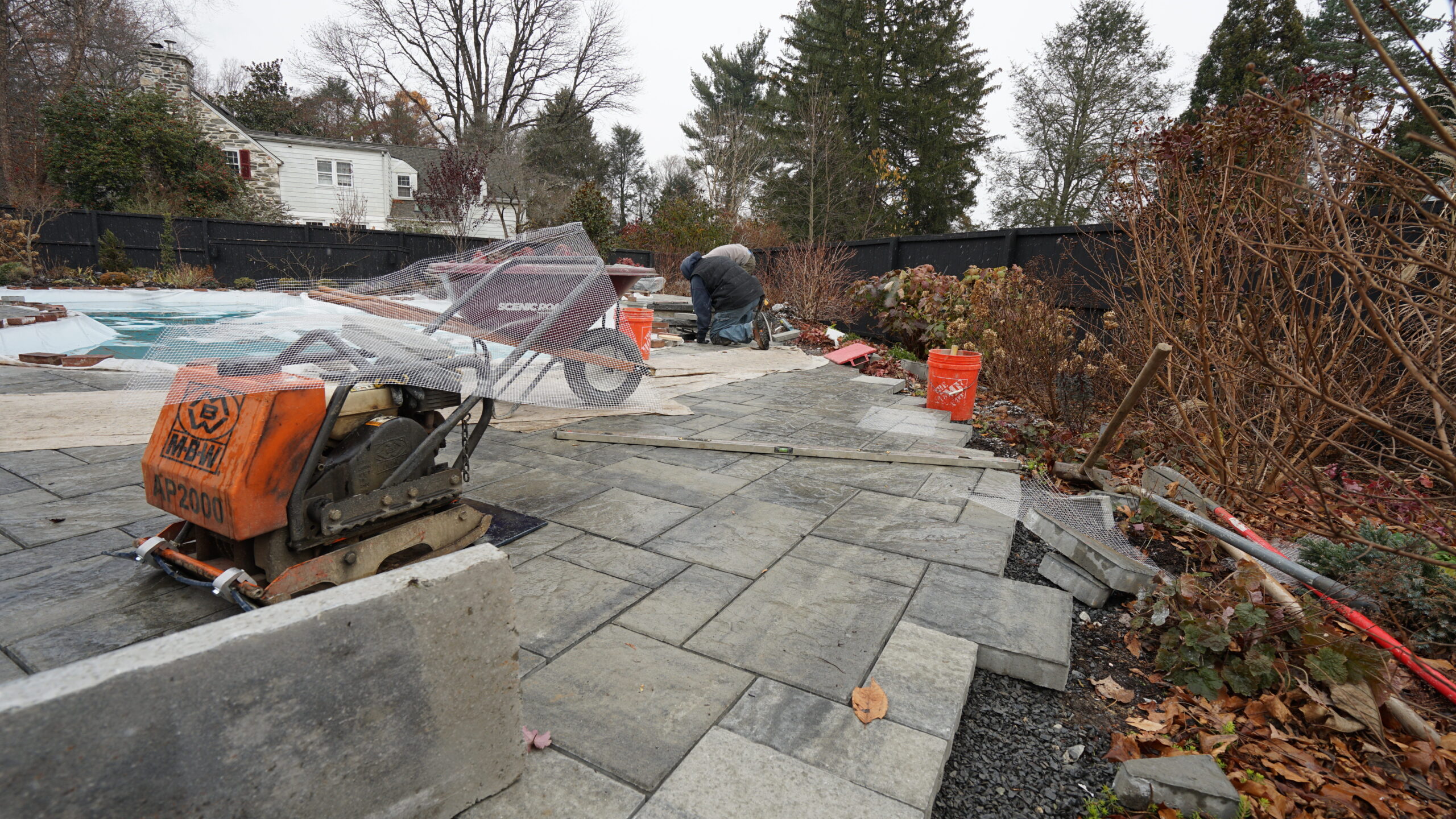
The single most important factor in determining how long your patio lasts is how it was installed, not just what it’s made from.
A professionally installed paver patio typically includes:
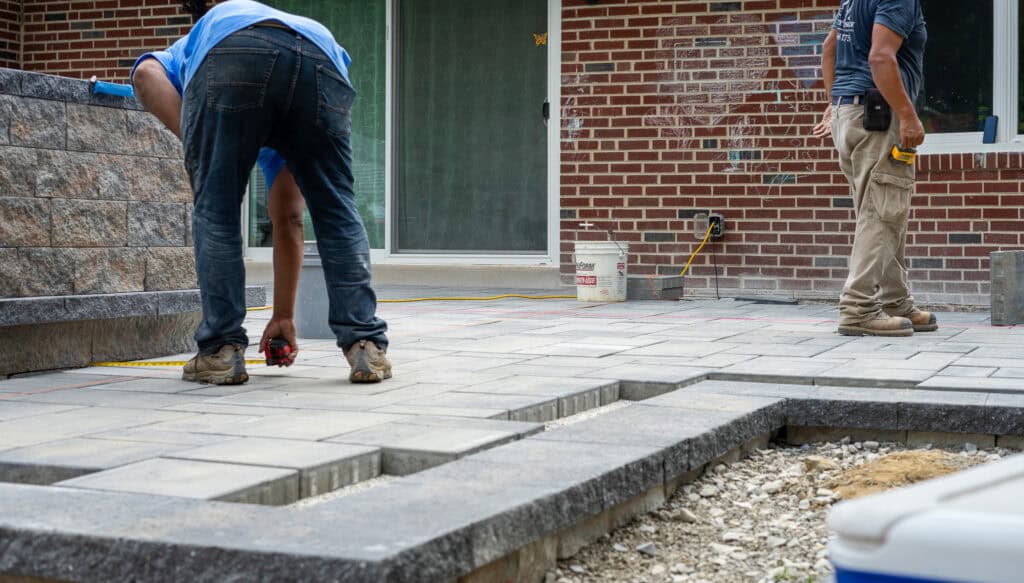
- Proper excavation to remove unstable soil
- A deep, compacted aggregate base
- Adequate drainage to prevent water buildup
- Edge restraints to keep the structure locked in place
- Correct compaction of the pavers and joint sand
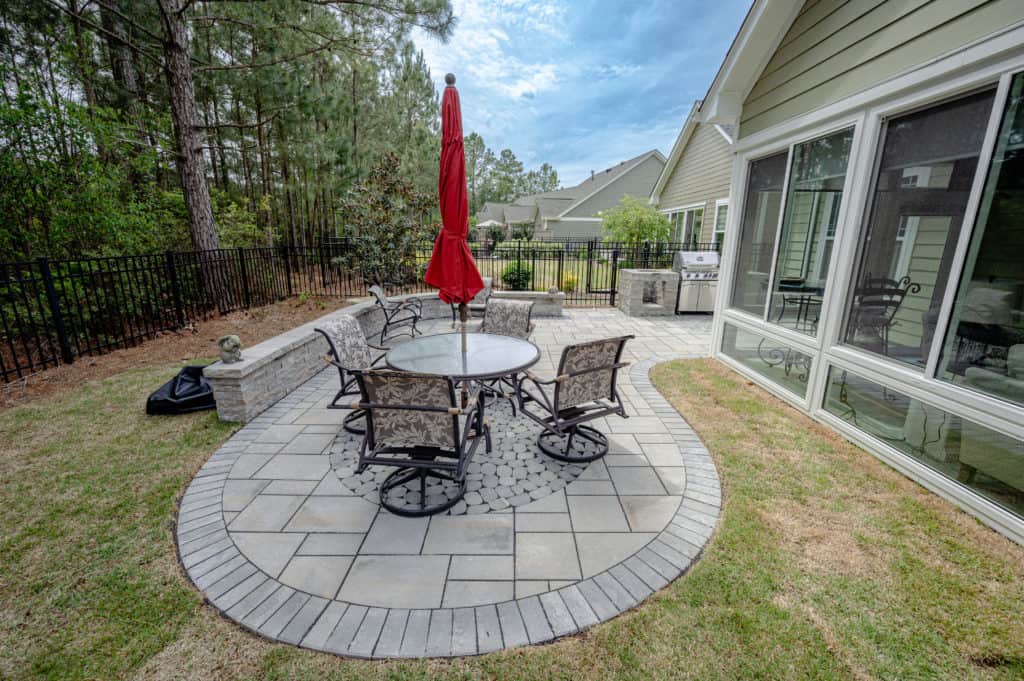
If the base is built correctly, the patio can remain structurally sound for decades. On the other hand, patios installed with minimal excavation or poor compaction often show problems within just a few years — including sinking, shifting, and weed growth.
Material Quality Matters Too
Not all pavers are created equal. High-quality, professionally manufactured pavers are designed for durability and long-term performance.
Factors that influence lifespan include:
- Density and strength of the paver material
- Manufacturing standards
- Surface finishes and wear resistance
- Freeze/thaw durability ratings
Premium pavers tend to hold their color longer, resist chipping, and maintain structural integrity better over time — especially in regions with harsh winters.
How Climate Impacts Longevity
Your local environment plays a major role in how long a patio lasts. In areas with freeze/thaw cycles, like much of the Northeast, patios experience repeated expansion and contraction throughout the year.
Well-built paver patios handle this better than many other materials because:
- Water can drain through joints rather than pooling
- The flexible system reduces cracking
- Individual repairs are possible without replacing entire sections
However, even the best patios need occasional maintenance to address joint sand loss, minor settling, or surface wear caused by weather.
Typical Lifespan Expectations
While every project is different, here’s a general guideline for professionally installed paver patios:
- 30–50+ years for the structural base and overall system
- 20–30 years or more for the pavers themselves, depending on material quality
- Ongoing maintenance every few years to maintain appearance and performance
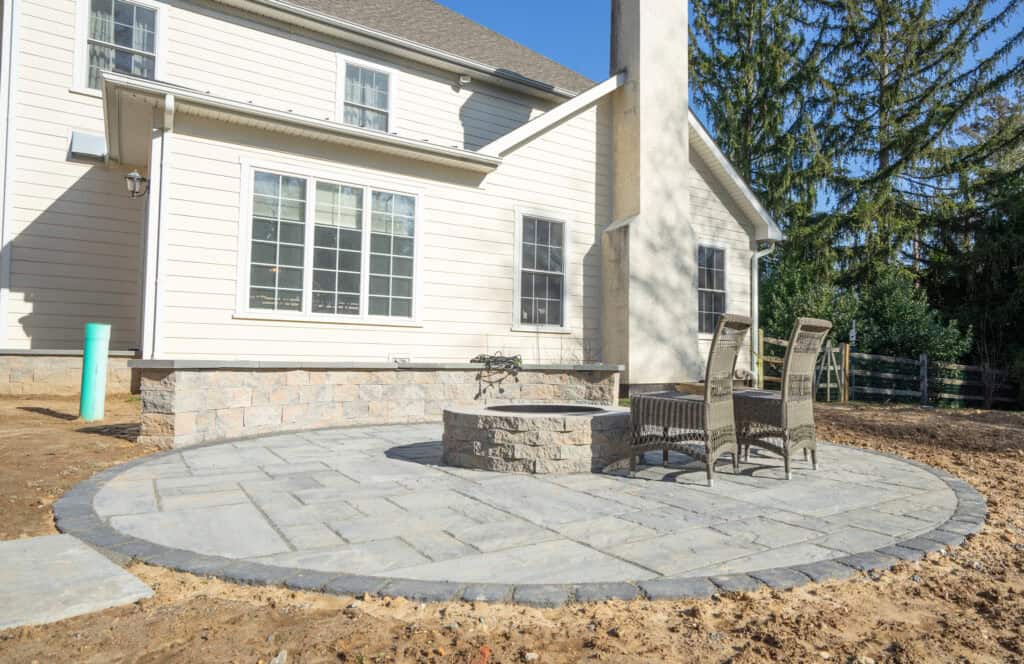
Many patios continue performing well beyond these ranges when properly maintained and periodically refreshed.
What Maintenance Extends Patio Life?
Longevity isn’t just about installation — it’s also about consistent upkeep. Fortunately, maintenance for paver patios is generally straightforward.
Some of the most effective ways to extend lifespan include:
- Replacing joint sand when needed
- Cleaning debris and organic buildup regularly
- Addressing minor settling early
- Resealing periodically if desired for protection and color enhancement
- Avoiding harsh deicing chemicals that can wear surfaces over time
These small steps help maintain stability and prevent minor issues from becoming larger repairs.
Signs Your Patio May Need Attention Over Time
Even long-lasting patios may require occasional adjustments. Watch for:
- Small areas where water pools
- Loose or rocking pavers
- Gaps between joints
- Edge movement or separation
- Increased weed growth
Most of these issues are normal after many years of use and are typically easy to correct when caught early.
How Paver Patios Compare to Other Patio Materials
Homeowners often compare pavers to poured concrete or natural stone when evaluating lifespan.
Paver patios:
- Long lifespan with repairable sections
- Flexible and resistant to cracking
- Easier long-term maintenance
Poured concrete:
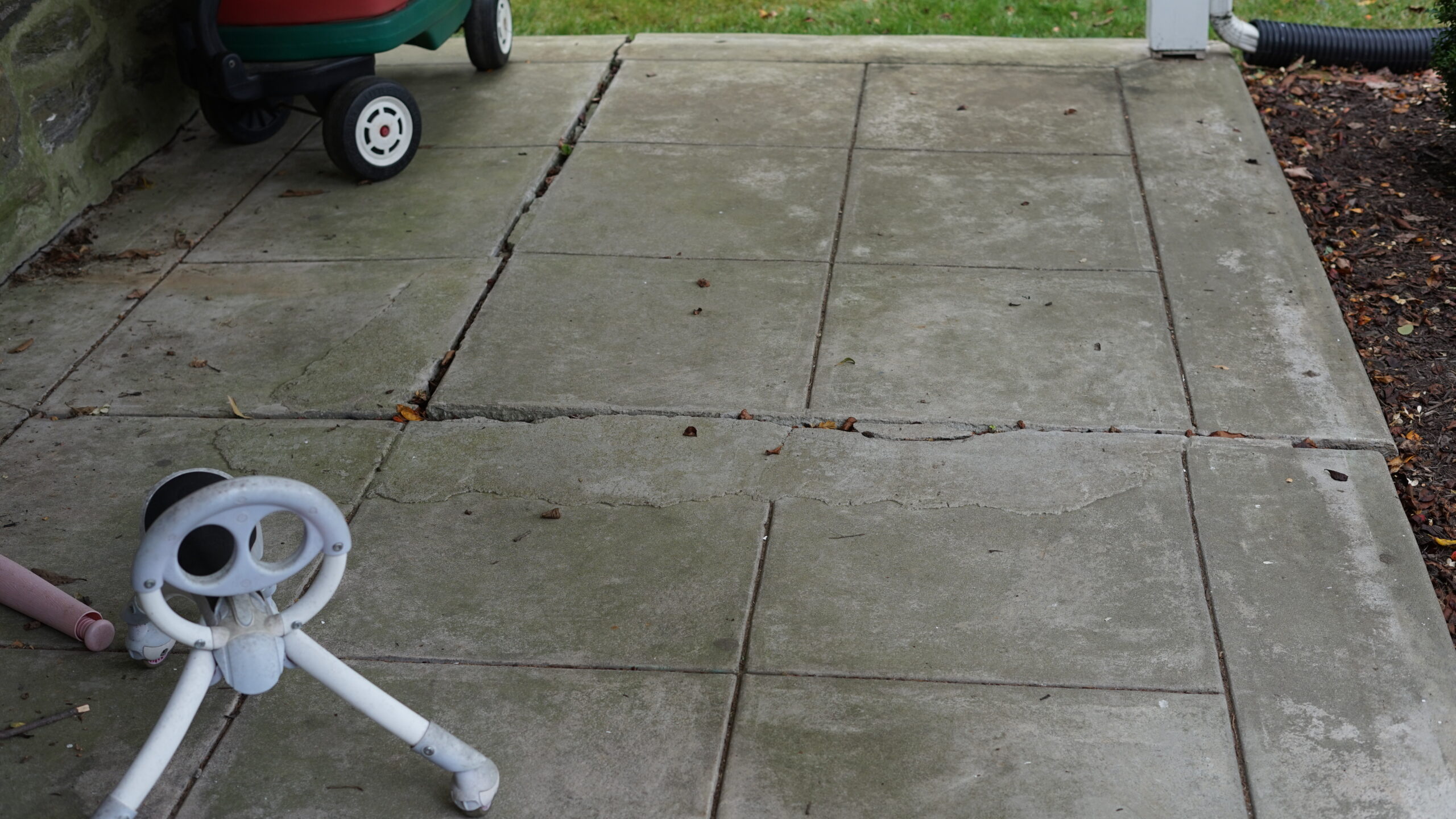
- May crack over time due to ground movement
- Repairs can be more noticeable
- Replacement may require removing large sections
Natural stone:
- Extremely durable but installation quality still matters
- Higher upfront cost
- Maintenance varies based on stone type
Each material has benefits, but professionally installed pavers offer a strong balance between longevity, durability, and repairability.
The Bottom Line
A professionally installed paver patio is one of the most durable outdoor investments you can make. With proper installation, high-quality materials, and routine maintenance, it’s realistic to expect your patio to last several decades — often 30 to 50 years or more.
The key factors that determine longevity aren’t just the pavers themselves, but the expertise behind the installation, the quality of the base, and how the patio is cared for over time. When built correctly, a paver patio doesn’t just provide a beautiful outdoor space — it becomes a long-term feature that adds value, function, and enjoyment to your home for many years.
If you’re considering a new patio or wondering about the condition of an existing one, understanding these factors can help you make informed decisions and ensure your outdoor space performs the way it should for the long haul.