As the days grow shorter and the temperatures start to dip, many homeowners ask us the same question:
“How do I prepare my patio for colder weather?”
It’s a smart question to ask. Your patio is a major investment, and with a little preparation in the fall, you can protect it from winter damage, extend its lifespan, and make sure it’s ready to enjoy again when warm weather returns. Whether your patio is made of brick, natural stone, or concrete pavers, the right fall maintenance steps will help it stay beautiful and functional for years to come.
In this guide, we’ll walk through everything you need to know about getting your patio winter-ready.
Why Cold Weather Can Damage Patios
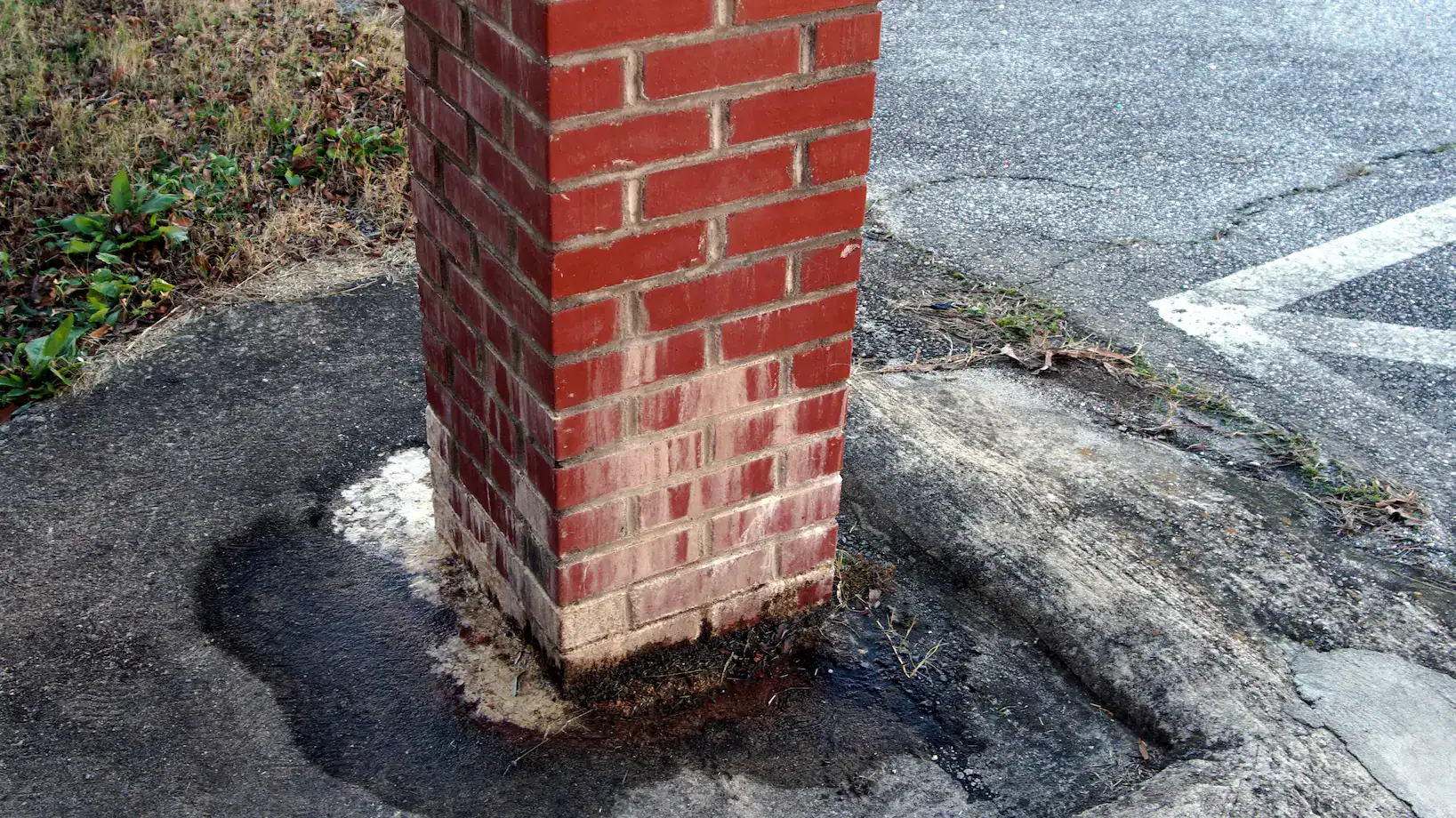
Before we get into the how-to, it’s important to understand why patios need protection before winter. The biggest culprit is the freeze-thaw cycle. When water seeps into small cracks or porous materials and then freezes, it expands. That expansion can cause cracking, spalling (flaking or chipping), and loosening of pavers or stones.
Add in snow, ice, and salt, and winter can be tough on outdoor masonry. The good news is that a little preparation goes a long way in preventing damage.
1. Clean Your Patio Thoroughly
The first step in preparing your patio for colder weather is a deep cleaning. Over the summer, dirt, leaves, and organic debris can build up on the surface. If left in place, this debris can hold moisture against the stone and even cause staining or moss growth.
- Sweep regularly to remove leaves and dirt.
- Rinse with a hose or use a pressure washer on a low setting for a deeper clean.
- Tackle stains early—whether it’s food, drink, or grease from a grill, cleaning before winter will prevent stains from setting permanently.
Think of this step as giving your patio a fresh start before it faces months of cold, wet weather.
2. Consider Sealing the Surface
Not every patio needs sealing, but for certain materials—like natural stone, clay brick, or concrete pavers—sealing provides an extra layer of protection. A quality sealer:
- Repels water, reducing freeze-thaw damage.
- Prevents stains from leaves, food, or ice melt.
- Enhances color, especially in stone or brick, giving your patio a fresh, vibrant look.
Fall is an ideal time to apply sealer because temperatures are moderate and the patio is usually free of heavy use. If you’re unsure whether your patio should be sealed, consult a masonry professional who can recommend the right approach for your materials.
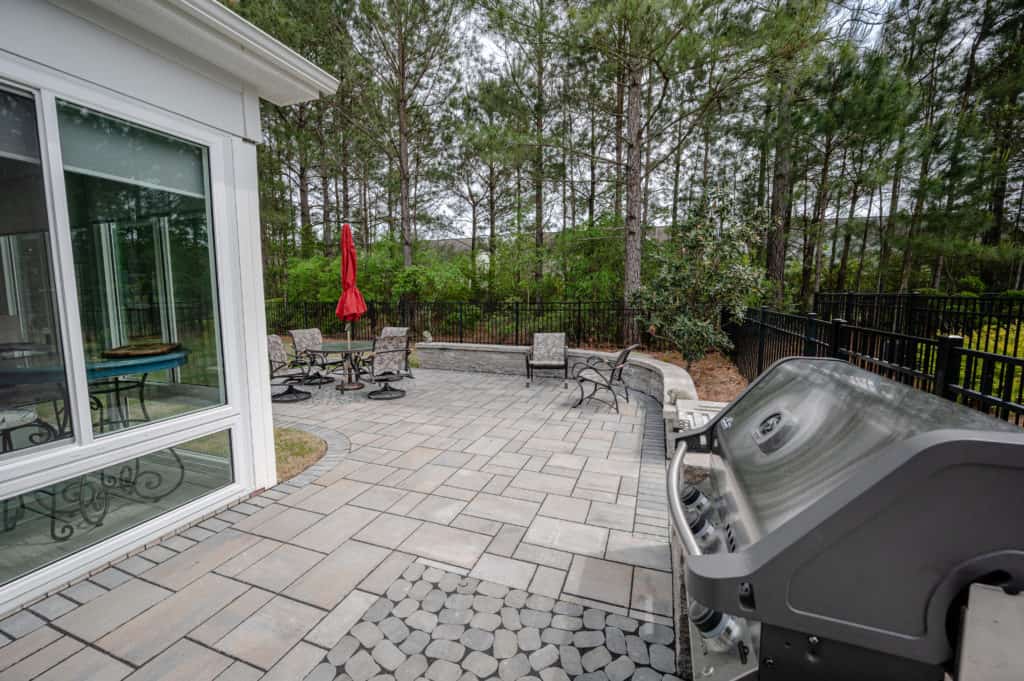
3. Protect and Store Outdoor Furniture
While not part of the patio surface itself, outdoor furniture plays a big role in the overall appearance and usability of your space. Cold weather, snow, and moisture can cause rust, mold, or cracking in furniture materials.
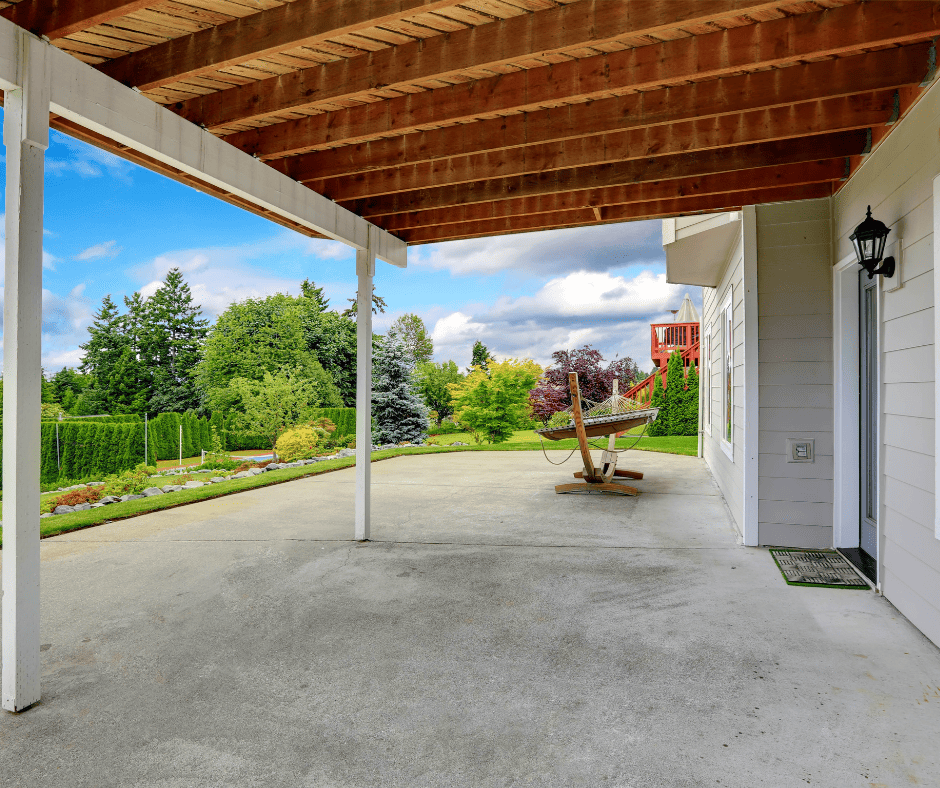
- Store furniture indoors if possible, such as in a shed, garage, or basement.
- Use weatherproof covers if storage space is limited.
- Remove cushions and store them separately in a dry area.
By protecting your furniture, you not only extend its life but also keep your patio looking neat and ready to enjoy on warmer days.
4. Inspect and Repair Before Winter
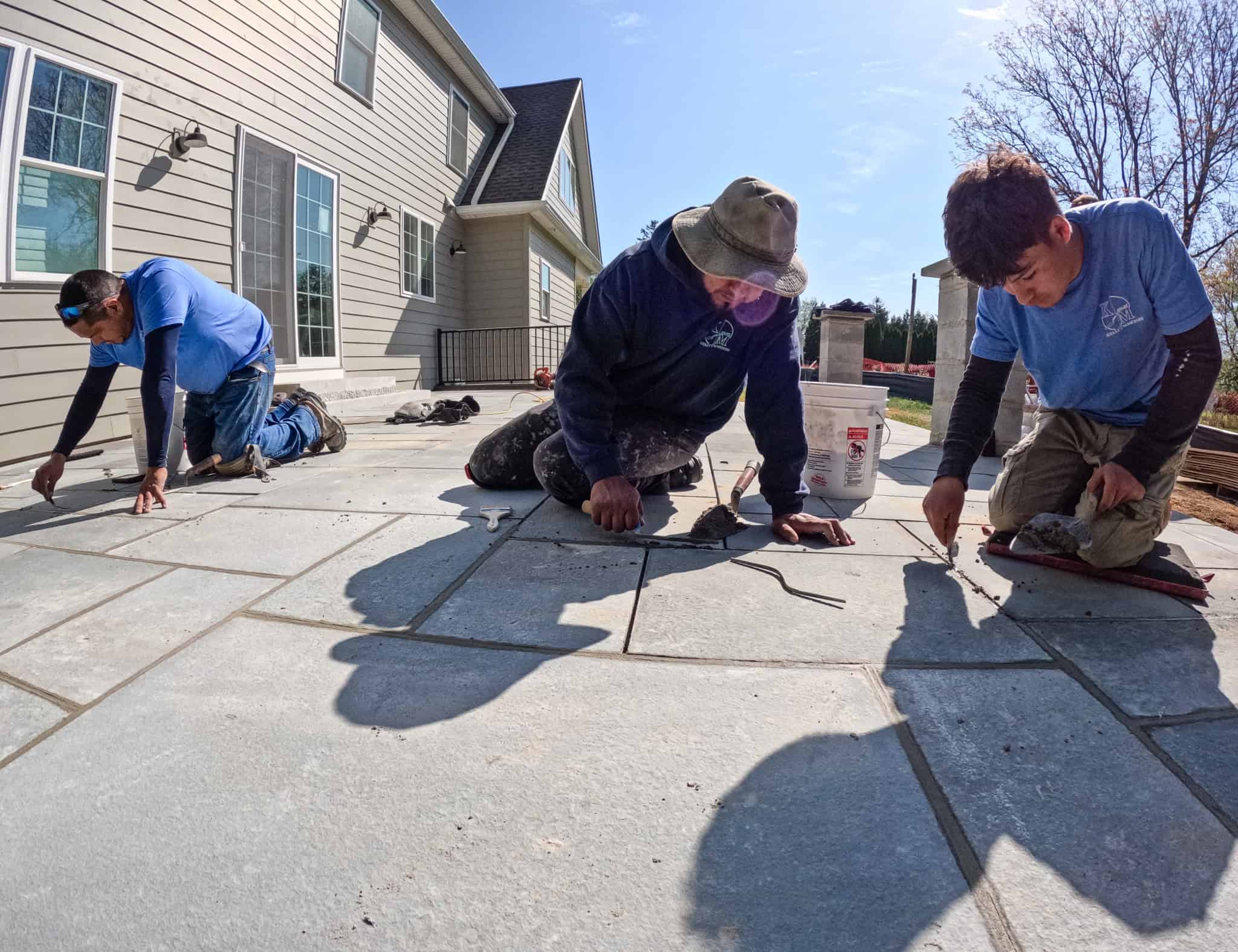
One of the most important steps in preparing your patio is checking for existing damage. Even small issues can worsen dramatically during the winter months.
- Look for cracks in stone, brick, or mortar joints.
- Check for loose or uneven pavers that may have shifted.
- Inspect drainage—standing water is a sign that adjustments may be needed.
Addressing these issues before the first freeze prevents water from making them worse. Small repairs now are far easier and less costly than major restorations in the spring.
5. Use the Right Ice Melt Products
If you plan to use your patio throughout the winter—or simply need to keep it safe to walk on—you’ll want to be careful about what de-icing products you choose.
Some common ice melts contain harsh chemicals or salts that can:
- Erode mortar joints
- Discolor stone or brick
- Damage nearby plants or landscaping
Look for ice melt products labeled safe for masonry, concrete, or natural stone. Sand can also be used for traction without harming the surface.
6. Plan for Winter Use
Just because it’s cold doesn’t mean you have to stop enjoying your patio. Many homeowners extend the season with features like:
- Outdoor fire pits or fireplaces for warmth
- Covered areas or pergolas that provide shelter
- Durable lighting to make dark evenings more inviting
By planning ahead, you can maximize your outdoor space well into fall and even on mild winter days.
The Bottom Line
So—how do I prepare my patio for colder weather?
The answer comes down to:
- Cleaning thoroughly
- Sealing (when appropriate)
- Protecting furniture
- Making repairs before the freeze-thaw cycle begins
- Choosing safe ice melt products
- And planning ahead for comfort and safety

Taking these steps now will protect your investment, extend the life of your masonry, and give you peace of mind all winter long.
At Kelly Masonry, we believe your patio should be more than beautiful—it should be built to last. Whether you need advice on sealing, help with repairs, or a brand-new outdoor living space designed for all four seasons, our team is here to help.
Thinking about upgrading your patio before winter hits? Contact us today to start planning your project.