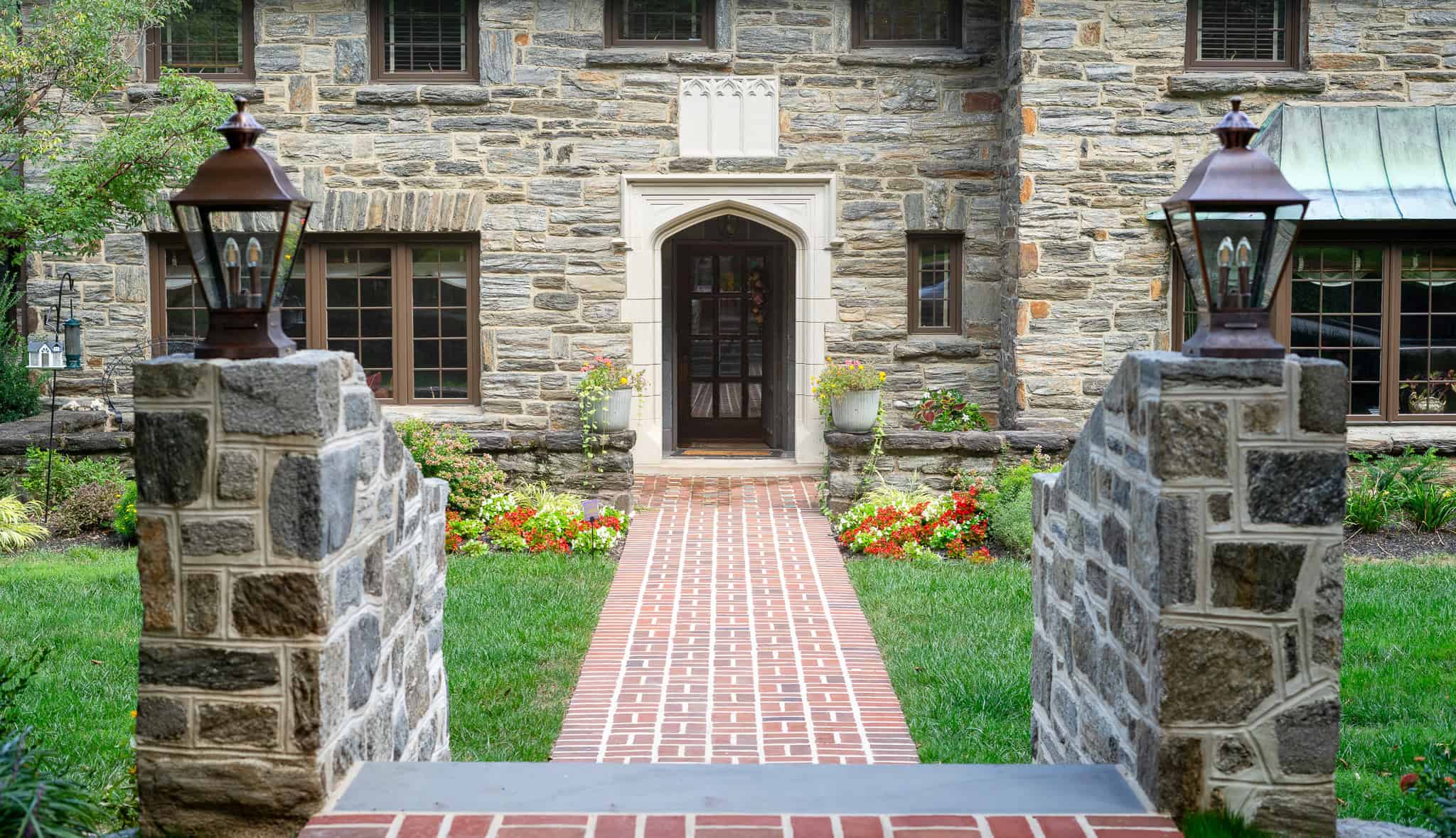
The Main Line is known for its stunning historic homes—stone Colonials, Tudor Revivals, Victorian mansions, and elegant farmhouses that date back over a century. Living in one of these properties means you enjoy timeless character, architectural details you can’t find in modern builds, and a sense of history.
But when it comes to improving your outdoor spaces, there’s one question many Main Line homeowners ask us:
“How can I add hardscaping without making my property look like it’s been patched together over time?”
The answer? Choose hardscaping designs, materials, and layouts that honor your home’s original style while giving you the modern functionality you need. Here’s how.
1. Stick with Natural Stone
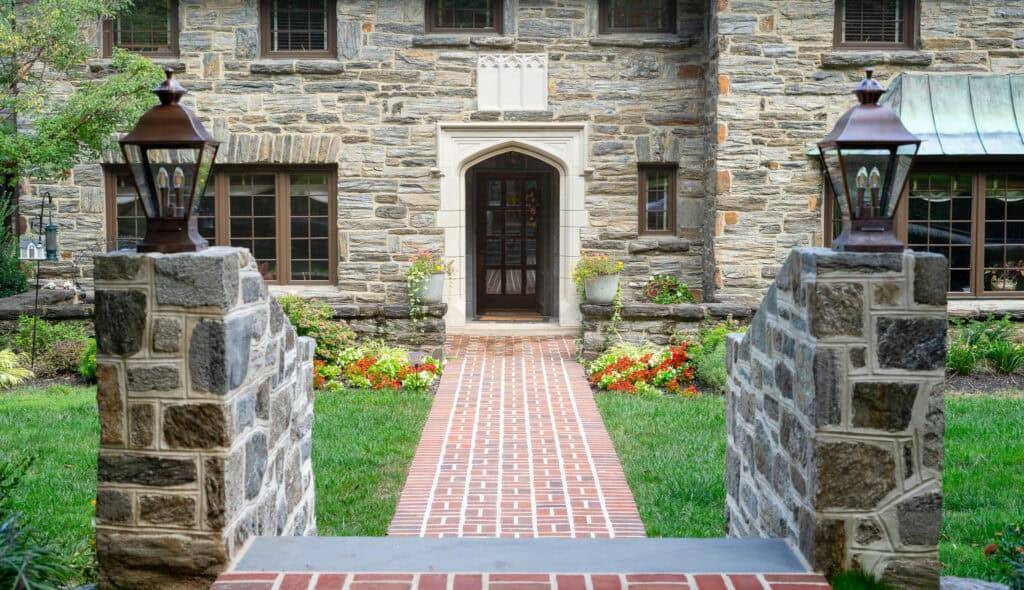
Historic Main Line homes often feature authentic stonework—limestone, fieldstone, schist, or granite—that has aged beautifully over the years. Using similar materials in your hardscaping creates a seamless look between old and new.
Best uses for natural stone in historic home hardscaping:
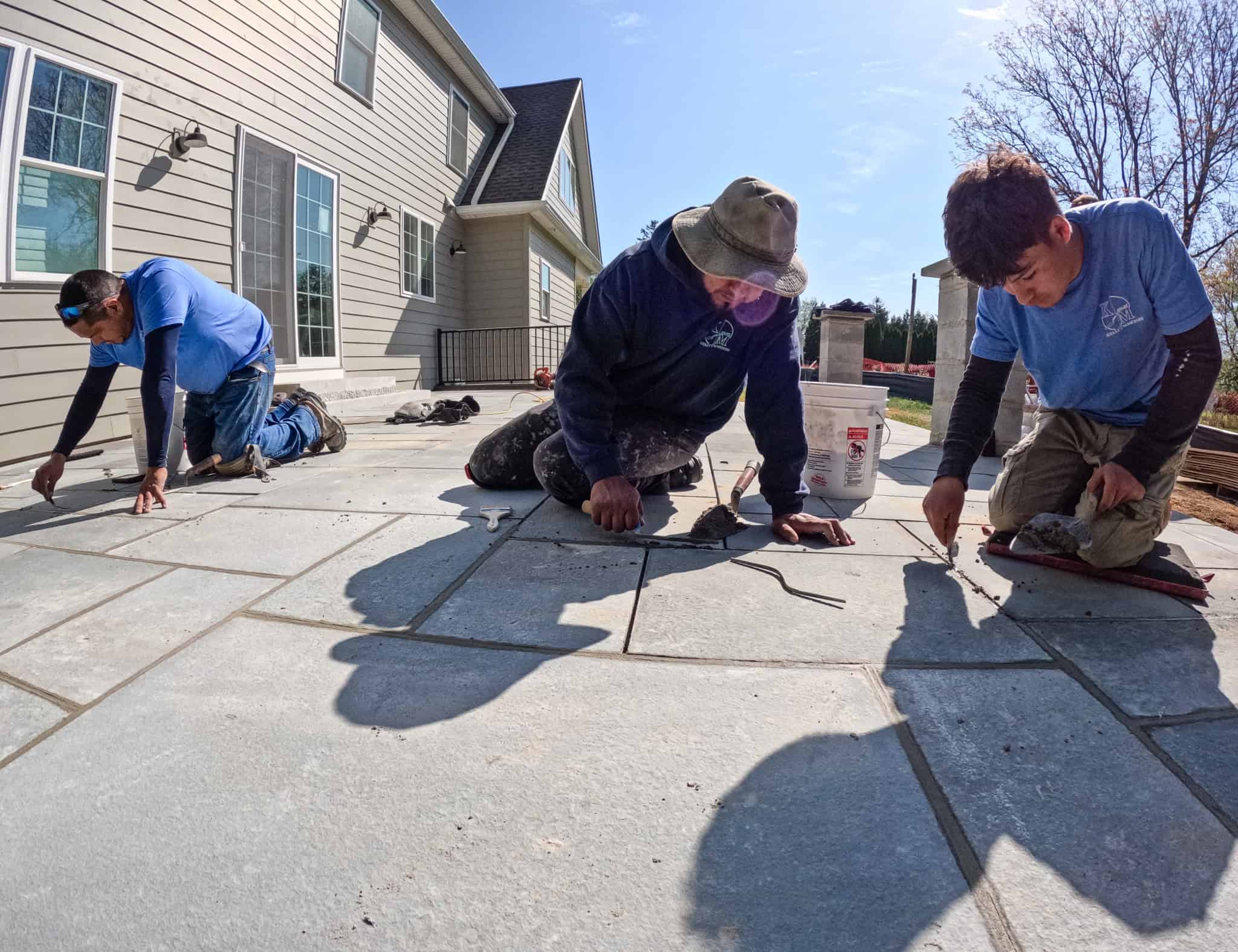
- Patios: Flagstone laid in an irregular pattern complements a classic Colonial or farmhouse style.
- Walkways: Cobblestone or cut bluestone paths provide an inviting, old-world feel.
- Walls: Dry stack or mortared stone retaining walls blend into the landscape as if they’ve always been there.
Pro Tip: Source stone that matches your home’s existing masonry as closely as possible in color and texture. A perfect match isn’t always necessary—sometimes a slight variation adds depth and interest—but it should feel intentional.
2. Consider Traditional Patterns and Layouts
Even if you choose modern materials, the pattern you lay them in can tie your space to the past.
Classic patterns that work well with historic homes:
- Herringbone brick: Ideal for Federal- or Georgian-style homes.
- Random flagstone: Great for farmhouses or Tudor Revivals.
- Basketweave brick: Adds visual texture without feeling too contemporary.
The pattern is part of the design language, and matching that to your home’s era keeps everything cohesive.
3. Use Hardscaping to Frame Your Architecture
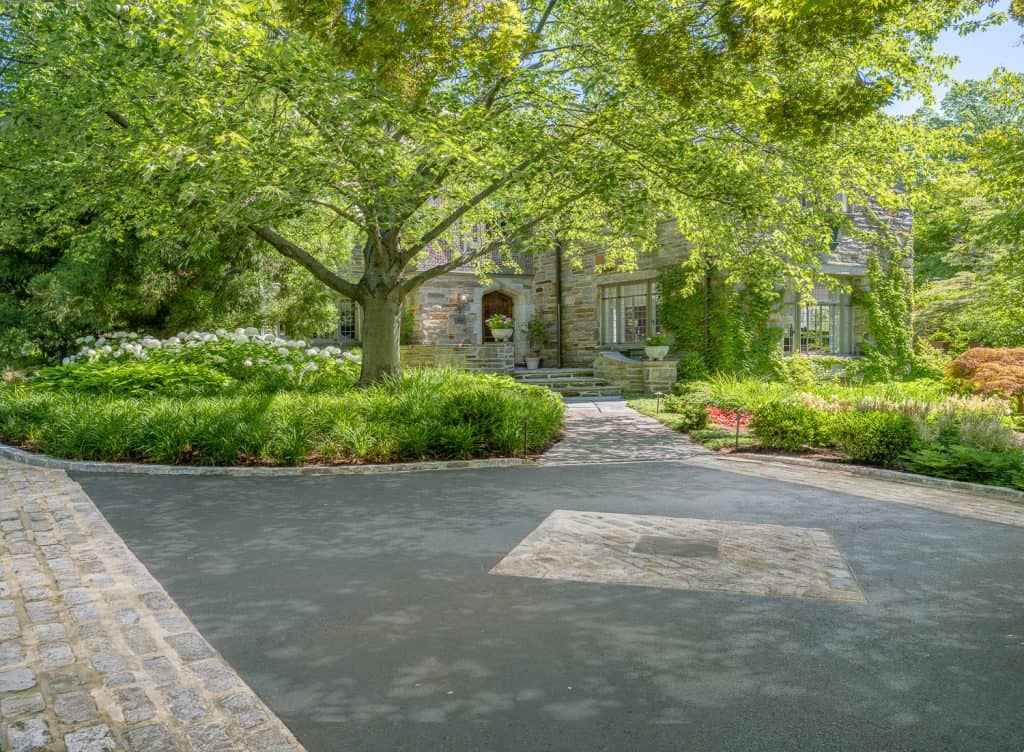
Think of your outdoor spaces as an extension of your home’s facade. Walkways, retaining walls, and garden borders should draw the eye to your home’s architectural details rather than compete with them.
Examples:
- A curved stone walkway that gently leads visitors to a grand front porch.
- Low garden walls that frame a historic entryway without blocking sightlines.
- Terraced stone steps that echo the symmetry of a Georgian home’s facade.
4. Blend Landscaping and Hardscaping for a Soft Edge
Historic homes rarely look good with stark, modern hardscapes that stop abruptly. Instead, use plantings to soften the transitions.
- Plant creeping thyme or moss between flagstones for an aged look.
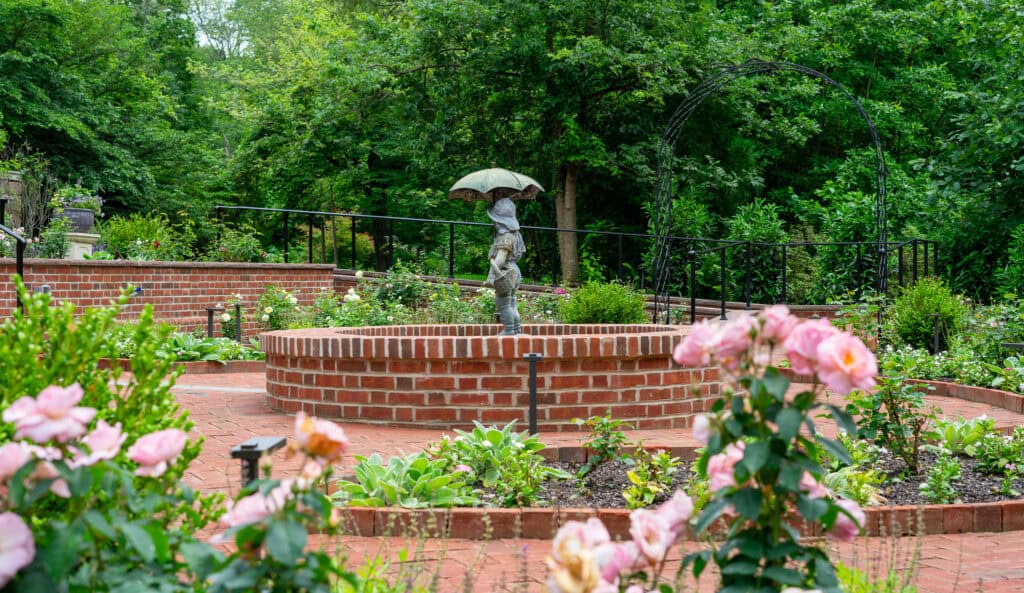
- Use traditional garden styles—like boxwood hedges or perennial borders—to edge your walkways and patios.
- Incorporate vintage-inspired urns, stone planters, or wrought iron accents to bridge the gap between the house and the yard.
5. Create Outdoor Rooms That Feel Timeless
Today’s outdoor living spaces—patios, fire pits, and kitchens—can absolutely work with historic homes if designed with care.
Design tips for timeless outdoor rooms:
- Keep lines and proportions simple; ornate, overly modern features can clash with historic architecture.
- Use natural stone or brick as the primary surface material, and avoid synthetic finishes that look “too new.”
- Choose classic shapes for seating areas (circles, rectangles, gentle curves) rather than sharp, abstract angles.
6. Respect the Color Palette
Historic Main Line homes often feature warm, earthy tones—soft grays, browns, tans, and muted reds. Your hardscaping should echo these colors for harmony.
If you’re working with bluestone or granite, keep the hue consistent throughout. For brick, choose a tone that complements the mortar and trim on your home.
7. Highlight with Period-Appropriate Lighting
Lighting is often overlooked in hardscape design, but it can make or break the historic feel of your property.
- Use lantern-style fixtures along walkways.
- Choose warm, soft lighting rather than bright white LEDs.
- Consider recessed stone step lights for subtle, hidden illumination.
The goal is to highlight your beautiful stonework and architectural details without overwhelming them.
8. Think Long-Term Durability
Main Line weather—freeze-thaw cycles, heavy rains, and hot summers—can be hard on hardscaping. Using high-quality materials and proper installation methods not only preserves the look but ensures your investment lasts for decades.
Dry stack stone walls, properly mortared brickwork, and well-drained patios won’t just hold up physically—they’ll age gracefully, developing the same patina your home has.
Why This Matters for Property Value
When hardscaping matches the historic charm of your Main Line home, you’re not just improving your yard—you’re protecting your property value.
Poorly chosen, overly modern hardscaping can actually detract from the character of a historic home. Thoughtful, period-appropriate design, on the other hand, enhances curb appeal and increases resale value.
Final Takeaway
If you live in a historic Main Line home, your outdoor spaces should feel like they’ve always belonged. By choosing the right materials, patterns, and design details, you can create patios, walkways, walls, and outdoor rooms that blend modern function with timeless beauty.
At Kelly Masonry, we’ve worked on countless Main Line properties where the goal was to add comfort and usability without sacrificing authenticity. The result? Outdoor spaces that look right at home—because they are.