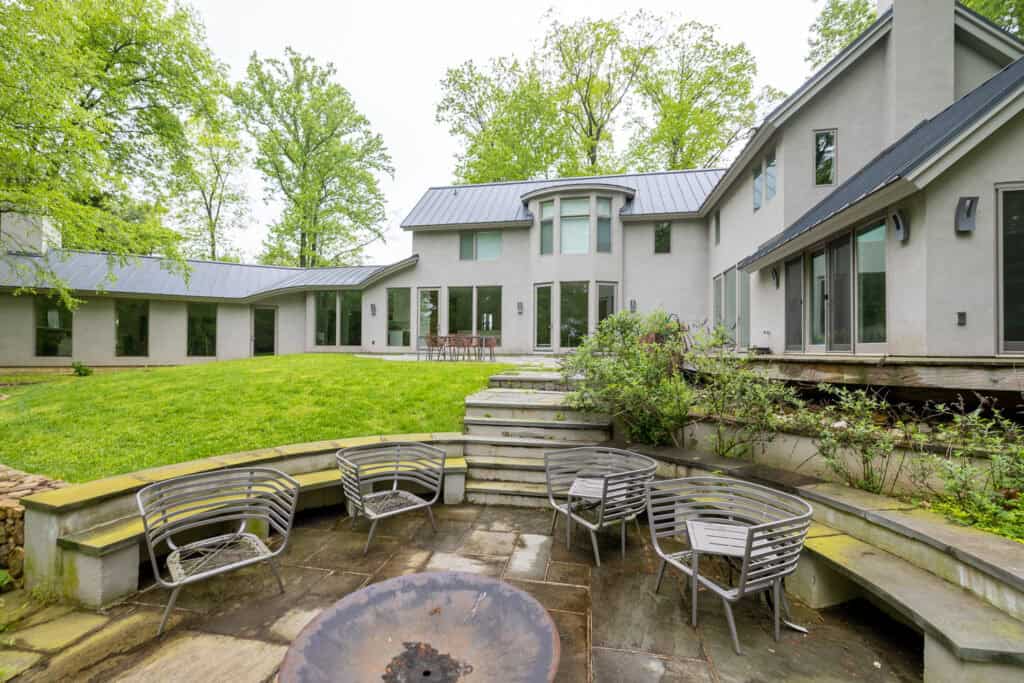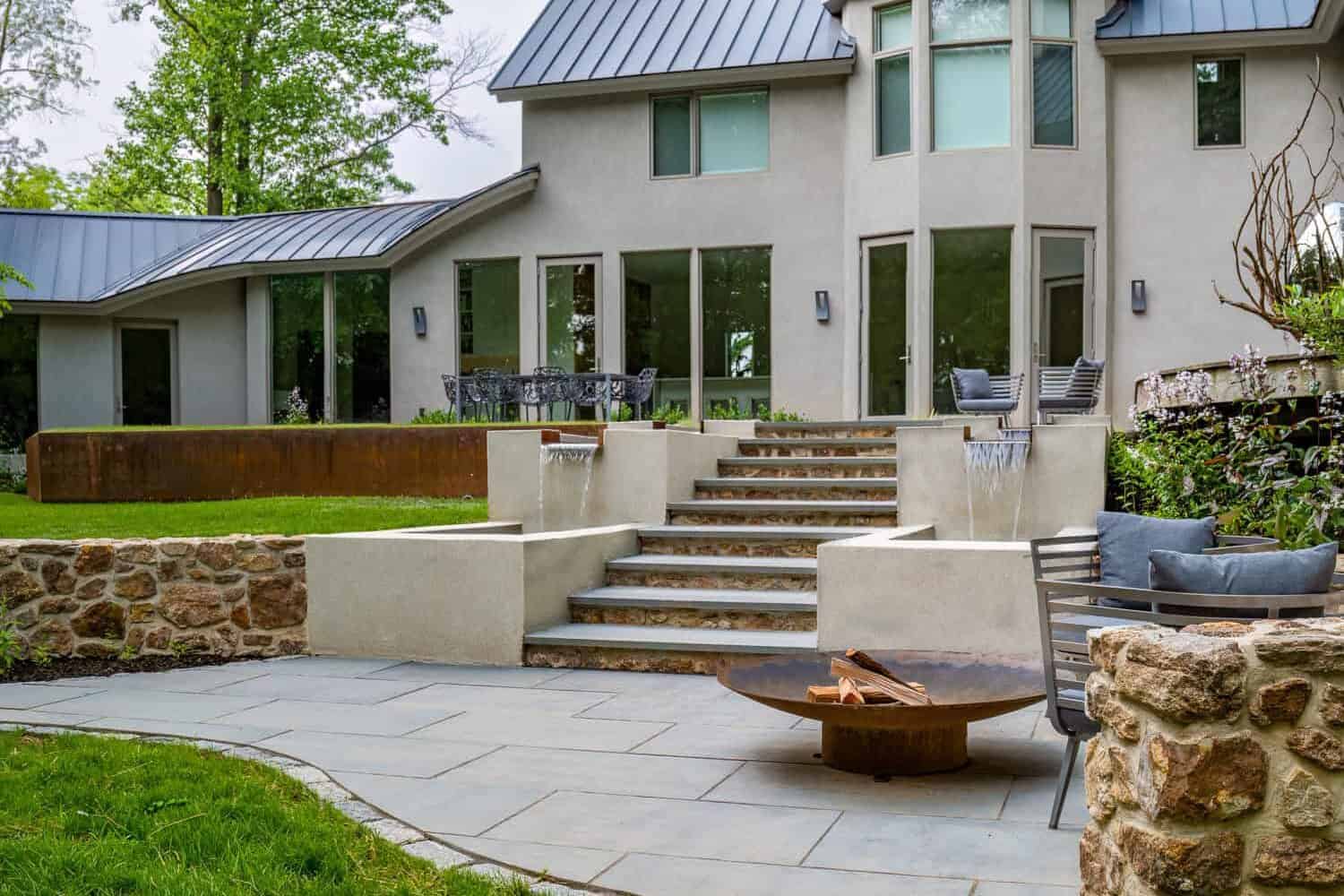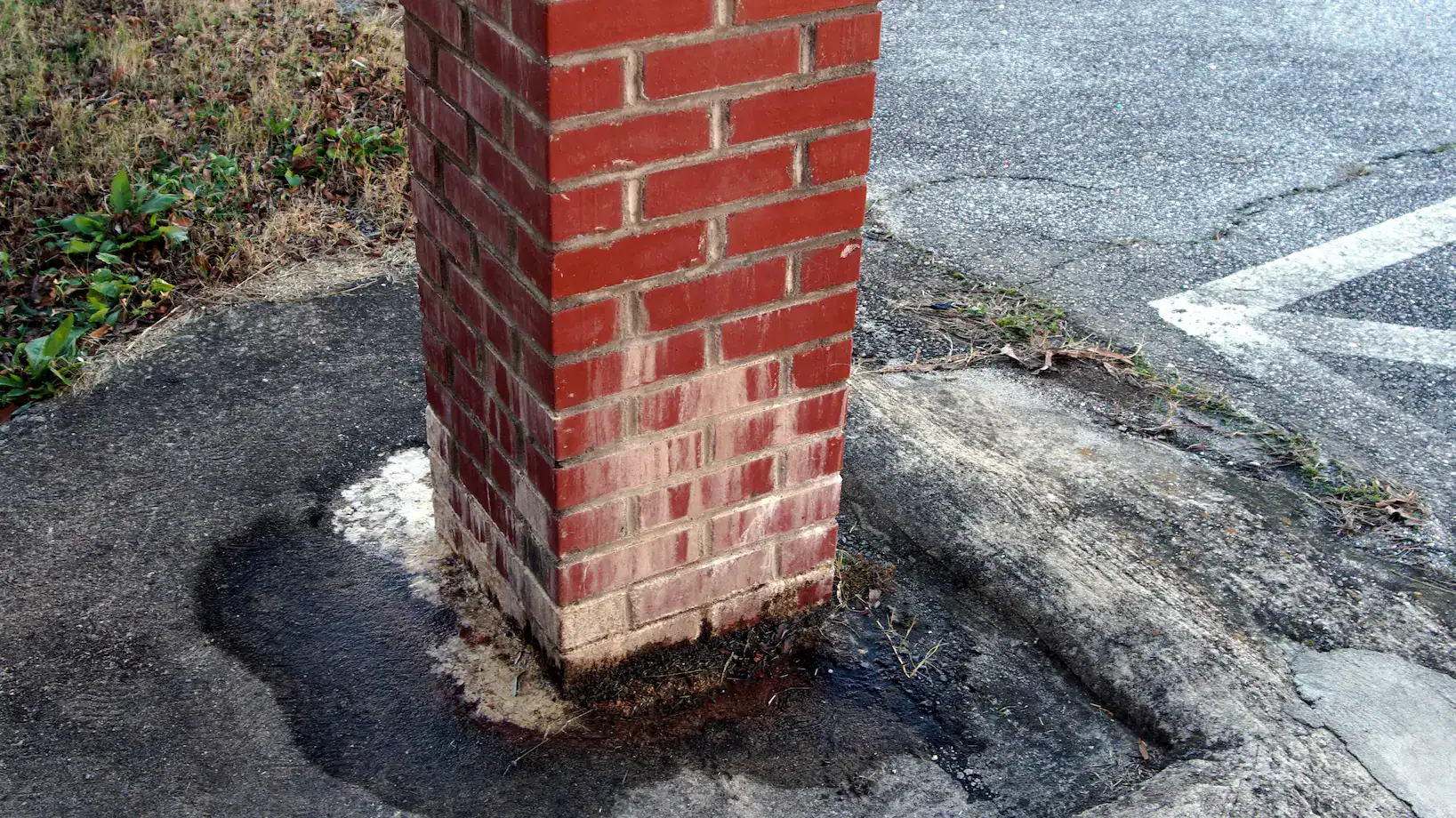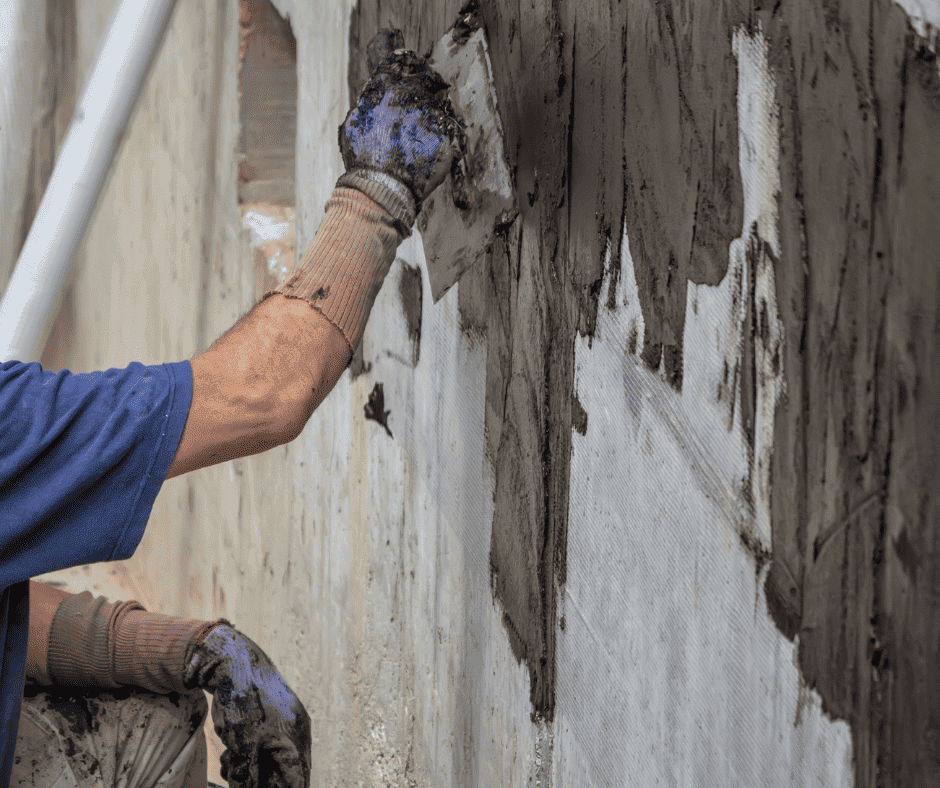
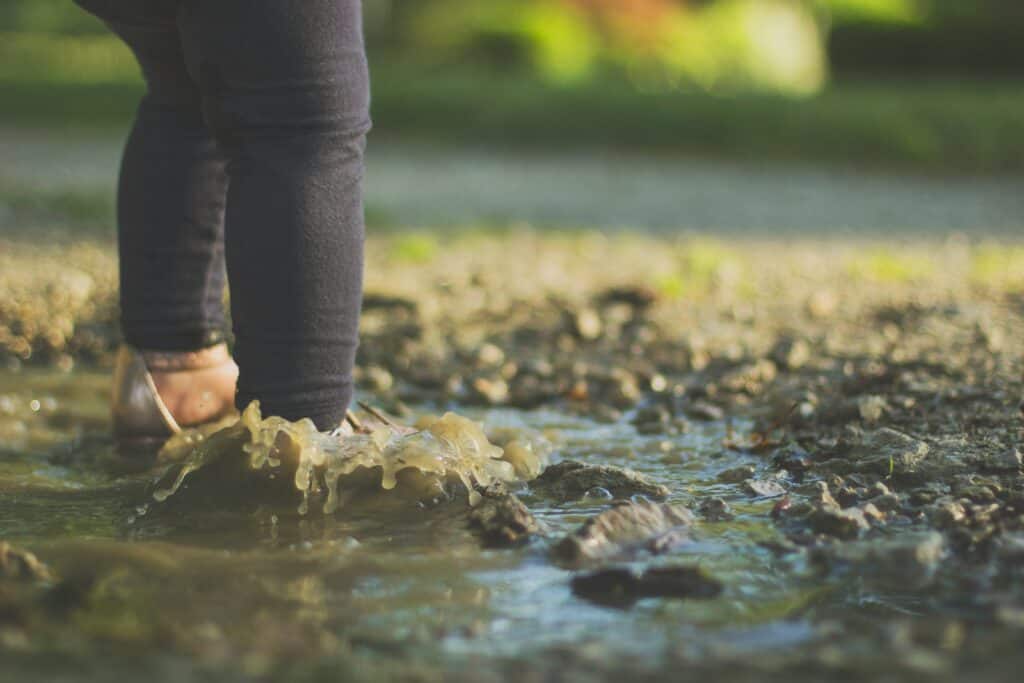
If you’re tired of soggy shoes, standing water, and mud getting tracked into your home every time it rains, you’re not alone.
At Kelly Masonry, we’ve helped dozens of homeowners across Delaware County, the Main Line, and Greater Philadelphia solve one of the most common backyard headaches:
“Why is my backyard always so muddy — and how do I fix it?”
This post will walk you through the most common causes of backyard mud, how to identify what’s going wrong in your yard, and what we do to fix it — permanently.
Common Causes of a Muddy Backyard
Let’s start with the big question: why does your backyard get so muddy in the first place? In almost every case, it comes down to poor drainage, caused by one or more of the following issues:
1. Poor Grading (The Yard Slopes the Wrong Way)
Your backyard should have a slight slope that directs water away from your home and toward a drainage point.
In many suburban homes — especially older ones — the grading is either:
- Too flat (so water just sits)
- Sloped toward the house (which can also lead to basement leaks)
- Or disrupted over time due to soil shifting, foot traffic, or previous renovations
How to tell: After a rain, walk your yard and note where water pools or runs. If it doesn’t move — or moves toward the house — poor grading is likely to blame.
2. Improper or Missing Drainage Systems
Many homes were built without proper French drains, swales, or downspout extensions, so the water that hits your roof ends up flooding the yard.
A single roof can collect hundreds of gallons of water during a storm. If your downspouts simply dump that water near the foundation — or into your garden beds — it’ll turn your yard into a muddy mess fast.
How to tell: Check where your downspouts end. If they just pour onto the lawn or patio, that water is contributing to the problem.
3. Compacted or Clay-Heavy Soil
Some parts of Delaware County are known for dense, clay-heavy soil, which doesn’t drain well. If your yard has been trampled by foot traffic, lawn equipment, or heavy use over the years, that compacts the soil even more — making it harder for rain to soak in.
How to tell: If water just sits on the surface instead of soaking in, or if your soil feels sticky and thick, compaction is likely the issue.
4. Overwatering or Sprinkler Issues
Sometimes it’s not the rain — it’s your irrigation system or watering habits. Sprinklers that run too long, too often, or in poorly drained areas can leave your lawn wet and patchy.
How to tell: If your yard is muddy even when it hasn’t rained recently, look at your watering schedule and make sure sprinklers aren’t aimed at low-lying areas.
How We Fix a Muddy Backyard (The Right Way)
At Kelly Masonry, we believe drainage should never be an afterthought. That’s why we always address it before we install patios, walkways, or raised garden beds.
Here’s how we typically fix muddy yards for our clients:
1. Improve Grading and Yard Slope
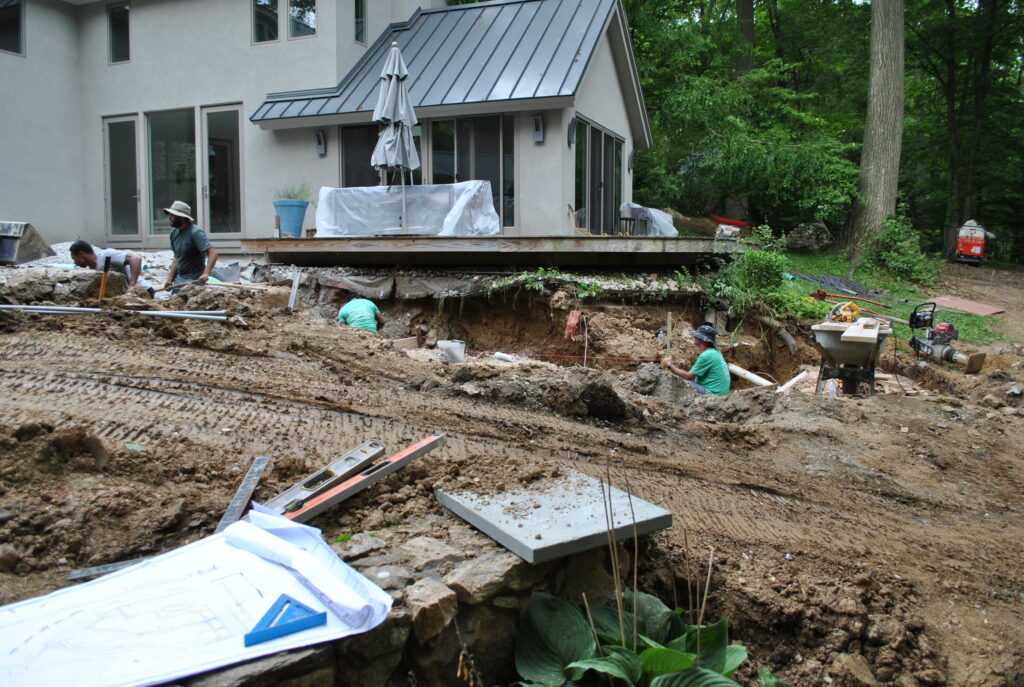
We use excavation equipment to reshape the land so water flows naturally away from your home and toward a safe outlet. Even subtle grading changes can make a huge difference in how your yard dries out.
2. Install a Proper Drainage System
Depending on your property, this might include:
- Buried downspout extensions to move water far from the house
- French drains (perforated pipe buried in gravel) to collect and redirect water
- Dry wells to safely absorb overflow
- Catch basins or trench drains in areas with heavy runoff
This step is crucial before installing any hardscaping — especially patios or flagstone walkways.
3. Use the Right Base for Patios and Walkways
One of the most common mistakes we see from other contractors? Building a patio without proper base prep.
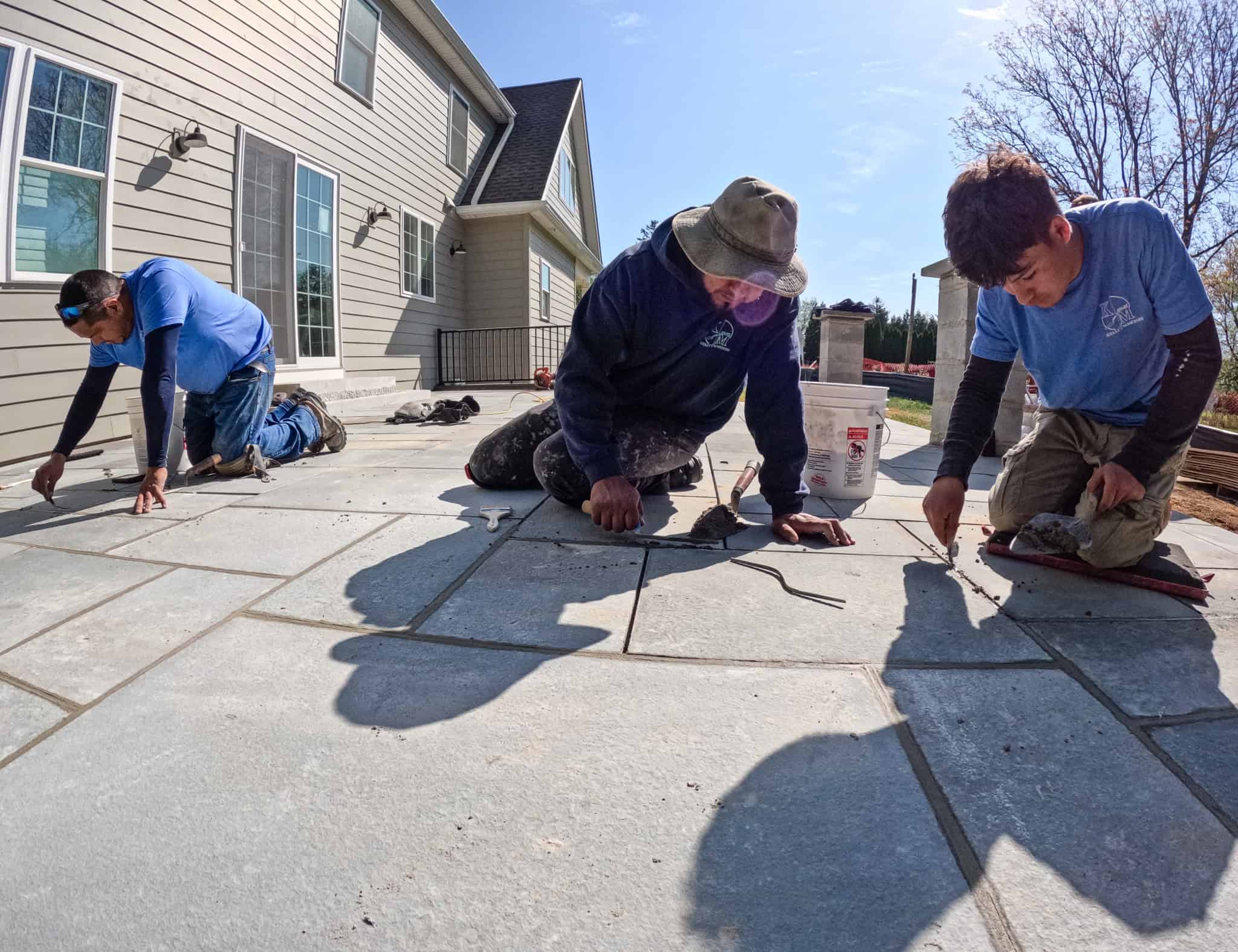
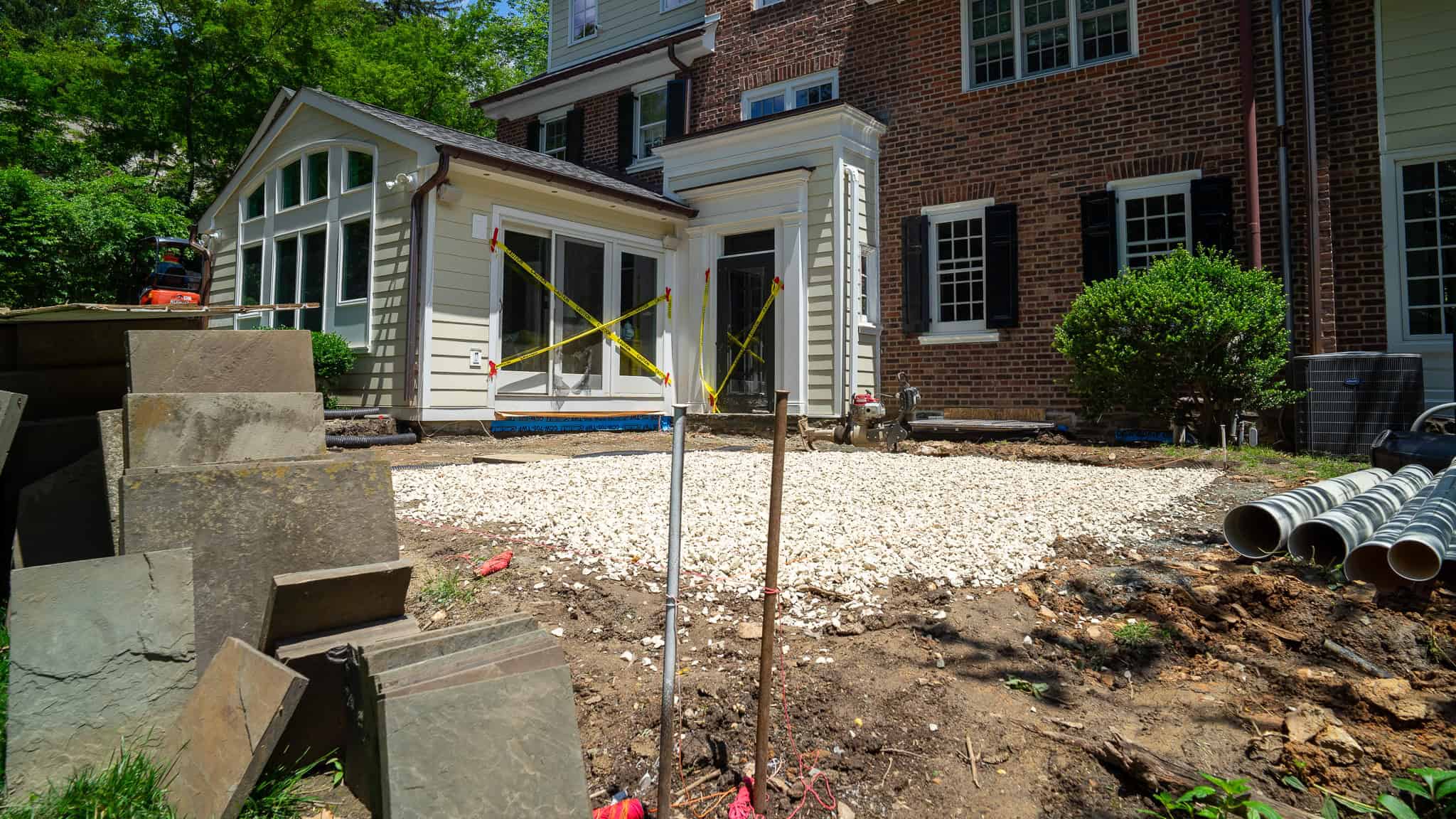
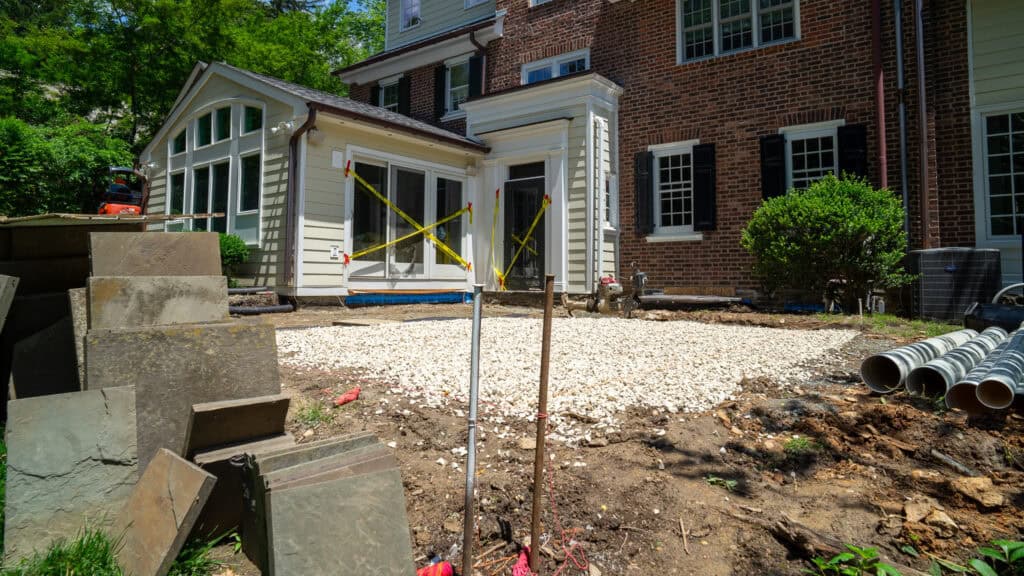
We always use a deep, compacted crushed stone base, which allows water to drain through and under the patio, rather than collect on the surface or around the edges.
4. Select Materials That Work With Drainage
We often recommend flagstone, permeable pavers, or permeable stone joints for clients who want drainage-friendly walkways or patios. These allow water to pass through instead of pooling.
In some cases, we even design walkways with grass joints between long stone treads — combining beauty with breathability.
Should You Fix Drainage Before a Patio Build?
Yes — always.
If your backyard has drainage issues and you build a patio on top of them, you’re just covering up the problem — and it will come back.
A properly designed drainage system should always come before the flagstone, not after.
Muddy Backyard? Here’s What to Do Next
If you’re dealing with standing water, soggy lawn, or mud getting tracked into the house — we can help.
At Kelly Masonry, we specialize in full-service outdoor transformations that start with the most important step: fixing the foundation.
Whether you’re in Wayne, Havertown, Springfield, Media, or anywhere else in Delco, we’ll walk your property, assess the grade, and create a plan that makes your outdoor space dry, usable, and built to last.
👉 Contact us today to schedule a consultation or ask a question. We’re here to help.