More and more homeowners in Delco are asking the same question:
“How can I grow more of my own food — even if I only have a small backyard?”
The good news: You don’t need a rural farm or endless acres to start homesteading.
In fact, many of the best homestead-style gardens are being built right here in the suburbs — in places like Springfield, Havertown, Media, and Wayne.
Whether you want to grow fresh vegetables, cut down on grocery costs, or just enjoy time outdoors with your hands in the soil, this post will walk you through how to design a suburban homestead garden that’s beautiful, functional, and built to last.
What Is a Homestead Garden?
A homestead garden is more than just raised beds. It’s a backyard space designed to support productive living. That might include:
- Growing vegetables, herbs, or fruits
- Composting kitchen and yard waste
- Harvesting rainwater
- Cooking outdoors
- Creating space to gather, relax, and connect to the land
It’s part garden, part lifestyle — and for many of our Delco clients, it starts with making better use of the backyard they already have.
Step 1: Know Your Space — Sun, Soil & Water
Before you plant anything, ask:
How much sun does your yard get?
Most vegetables need 6–8 hours of full sun per day. Track where the light hits at different times of day — this will tell you where to place your garden beds.
How’s your soil?
If you’re planting directly into the ground, get your soil tested (Penn State Extension offers a great service). But many suburban gardens work best with raised beds, which allow you to bring in clean, nutrient-rich soil.
Where does water collect — or run off?
Many backyards in Delco have poor drainage or downspouts that dump water in the wrong places. At Kelly Masonry, we often install underground drainage systems to keep gardens from turning into mud pits.
Step 2: Choose the Right Garden Bed Layout
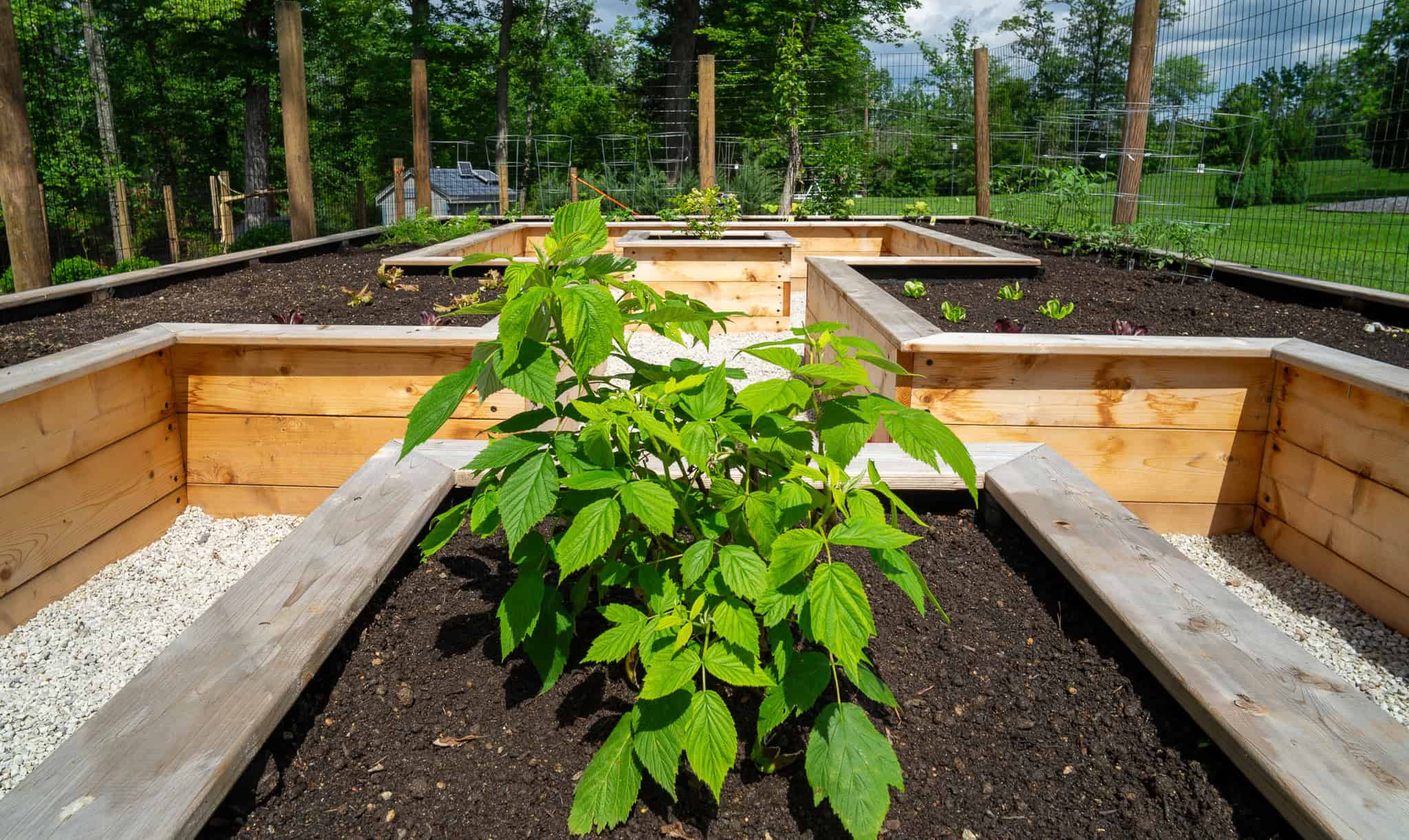
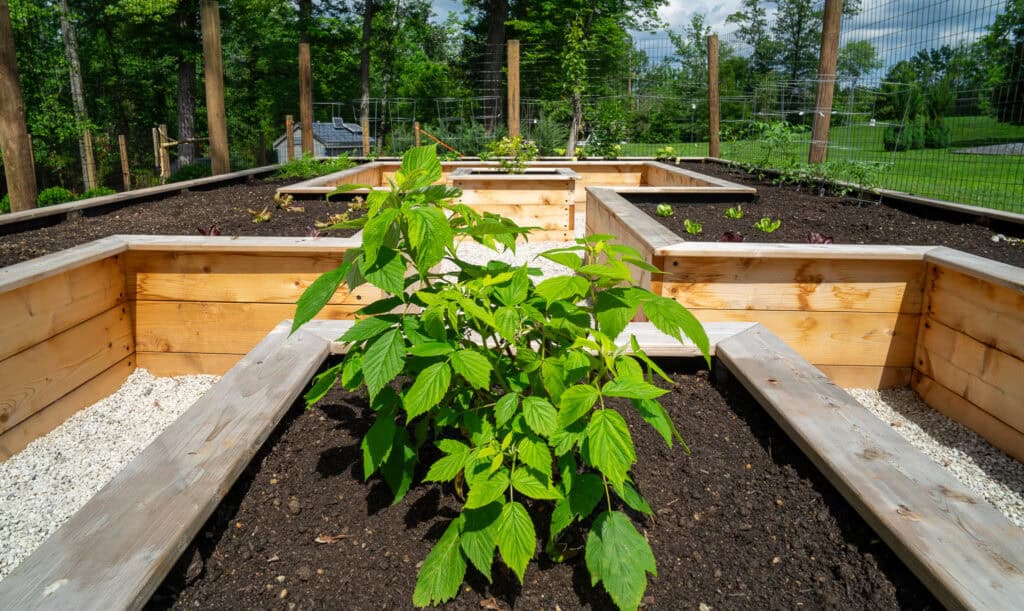
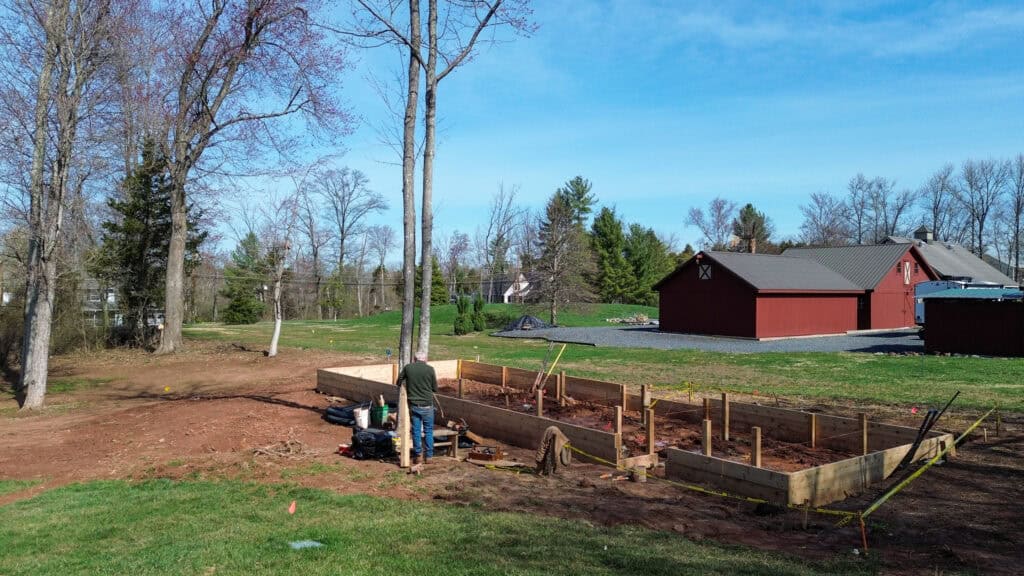
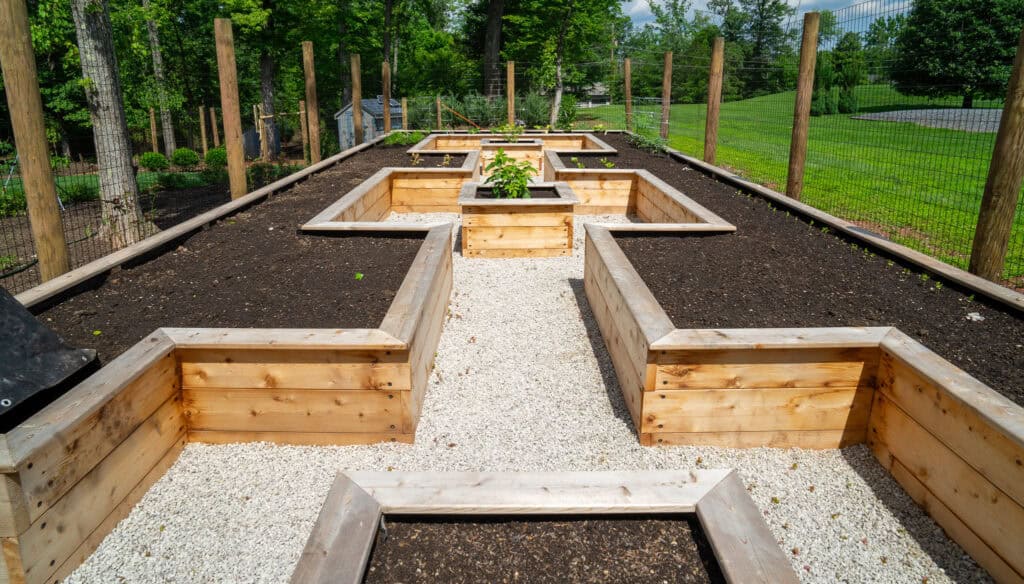
For most suburban homestead gardens, we recommend raised beds — either made of wood or stone — for these reasons:
- Better drainage
- Easier to control soil quality
- Easier on your back and knees
- Clear, clean layout that looks beautiful year-round
💡 Pro Tip:
Leave at least 2.5–3 feet between beds for walking, wheelbarrows, and watering. Add stone or gravel paths to keep things dry and tidy.
Step 3: Make It Permanent — With Masonry & Hardscaping
This is where most DIY garden setups fall short: they’re built fast, and they don’t last.
If you want your homestead garden to be part of your home for years, think about:
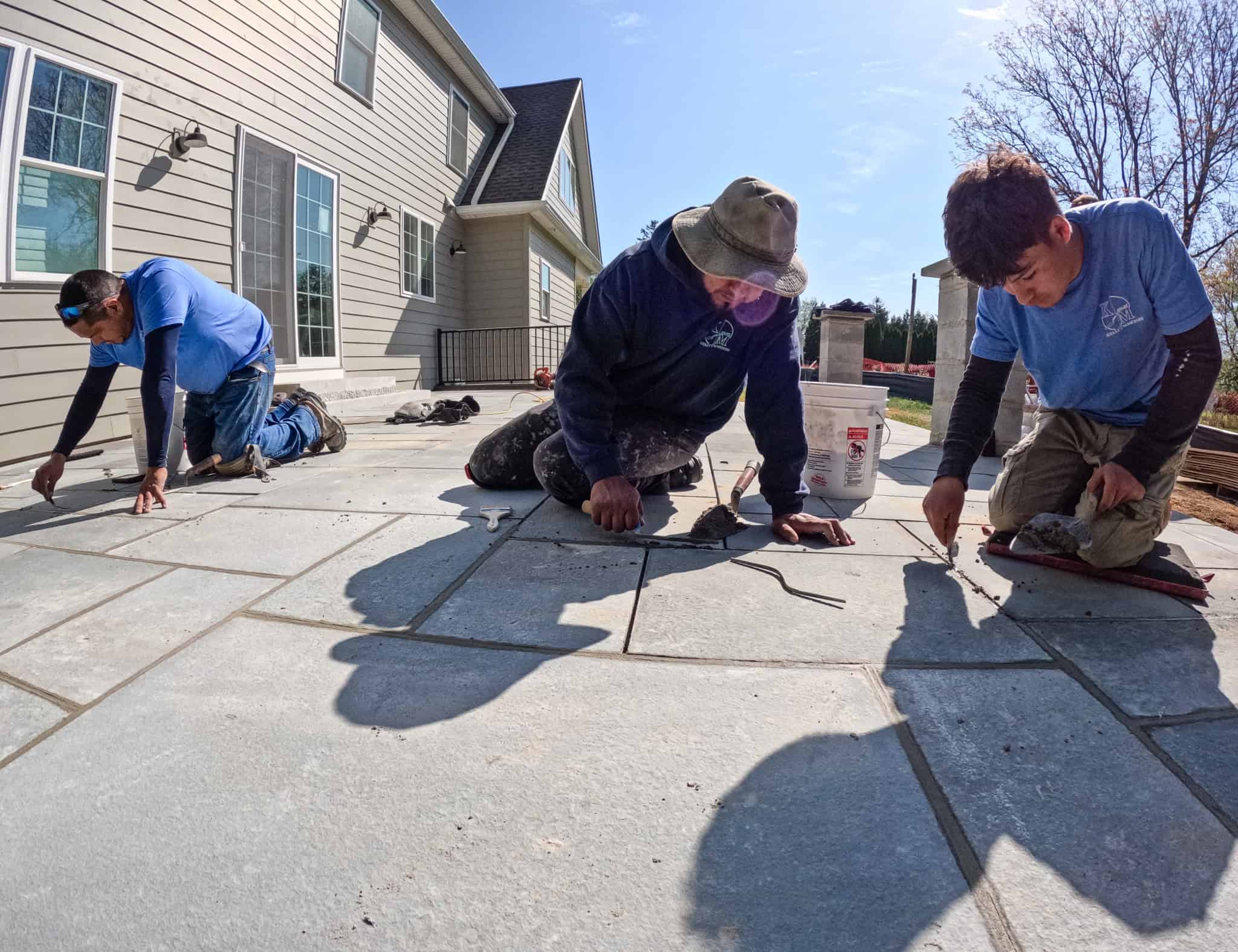
- Stone or paver pathways for clean access and drainage
- Defined garden zones built with natural materials
- Built-in seating like a stone bench or retaining wall
- A nearby patio or fire pit so the garden becomes part of your everyday life
At Kelly Masonry, we help design and build these spaces so that they’re not only functional — but timeless.
Step 4: Add Comfort & Utility
The best homestead gardens work hard and feel good to be in.
Here are a few add-ons to consider:
- Water spigot access nearby for easy irrigation
- Compost bin tucked into a corner
- Storage bench or potting table for tools
- Pergola or trellis for climbing plants (and shade)
- Outdoor lighting for evening garden time
Even in a small yard, these touches can make a big difference in how much you use and enjoy your space.
Summary: What You Need for a Suburban Homestead Garden in Delco
Here’s your quick-start checklist:
✔️ Full-sun spot in the yard
✔️ Raised beds (wood or stone)
✔️ Good soil and drainage
✔️ Stone or gravel pathways
✔️ Nearby seating or gathering space
✔️ Thoughtful layout for planting, working, and relaxing
Want Help Designing Yours?
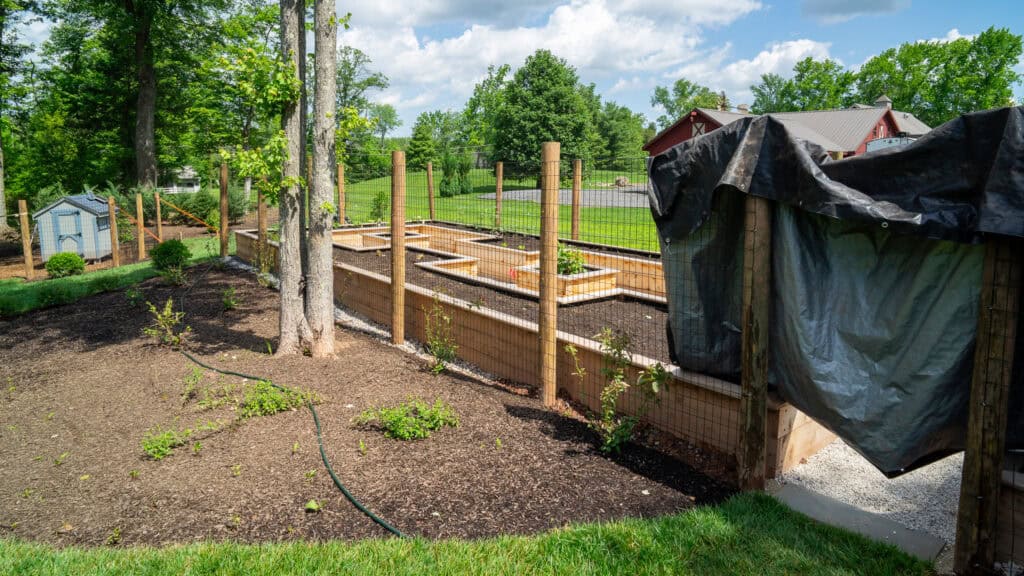
At Kelly Masonry, we work with homeowners across Delaware County to create hardscape-supported homestead gardens that are beautiful, productive, and built to last.
Whether you’re just starting to plan, or ready to build — we can help turn your backyard into a space that works for you and your lifestyle.
📍 Serving Springfield, Havertown, Wayne, Media, and beyond.
👉 Contact us here to set up a consultation.