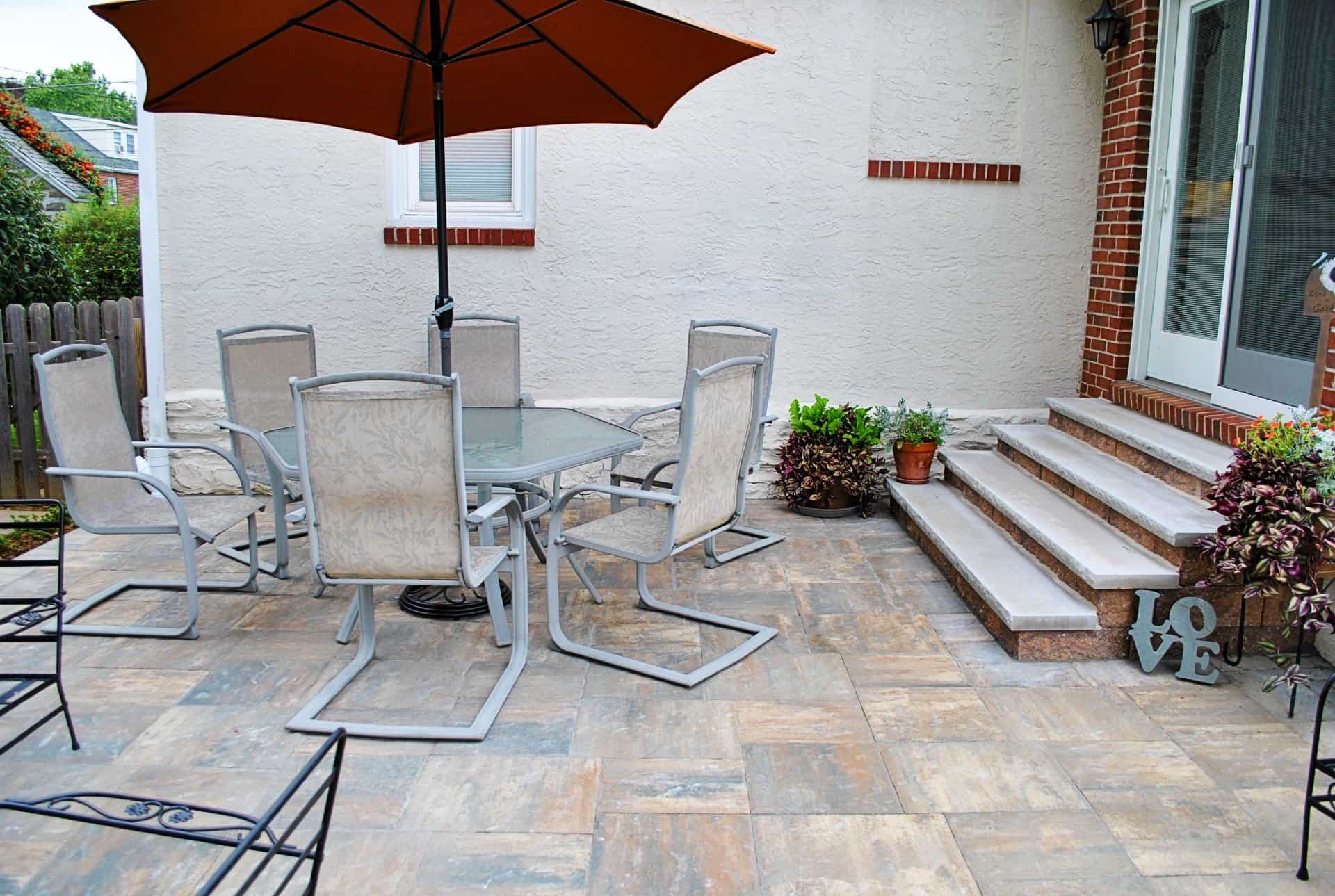
Outdoor masonry projects can dramatically improve a home’s appearance and functionality. A well-built patio, walkway, or set of stone steps can last for decades and become a central part of how you enjoy your property.
But the truth is, not all masonry work is created equal.
Across the Main Line, we regularly meet homeowners who are dealing with patios that settled, walkways that shifted, or steps that became uneven just a few years after installation. In most cases, the issue isn’t the materials themselves — it’s the way the project was built.
If you’re planning a masonry project for your home in the Main Line area, here are five of the most common mistakes homeowners make when hiring a masonry contractor.
1. Choosing a Contractor Based Only on Price
It’s natural to compare quotes when planning a project for your home. But when it comes to masonry work, the lowest price can sometimes lead to costly problems later.
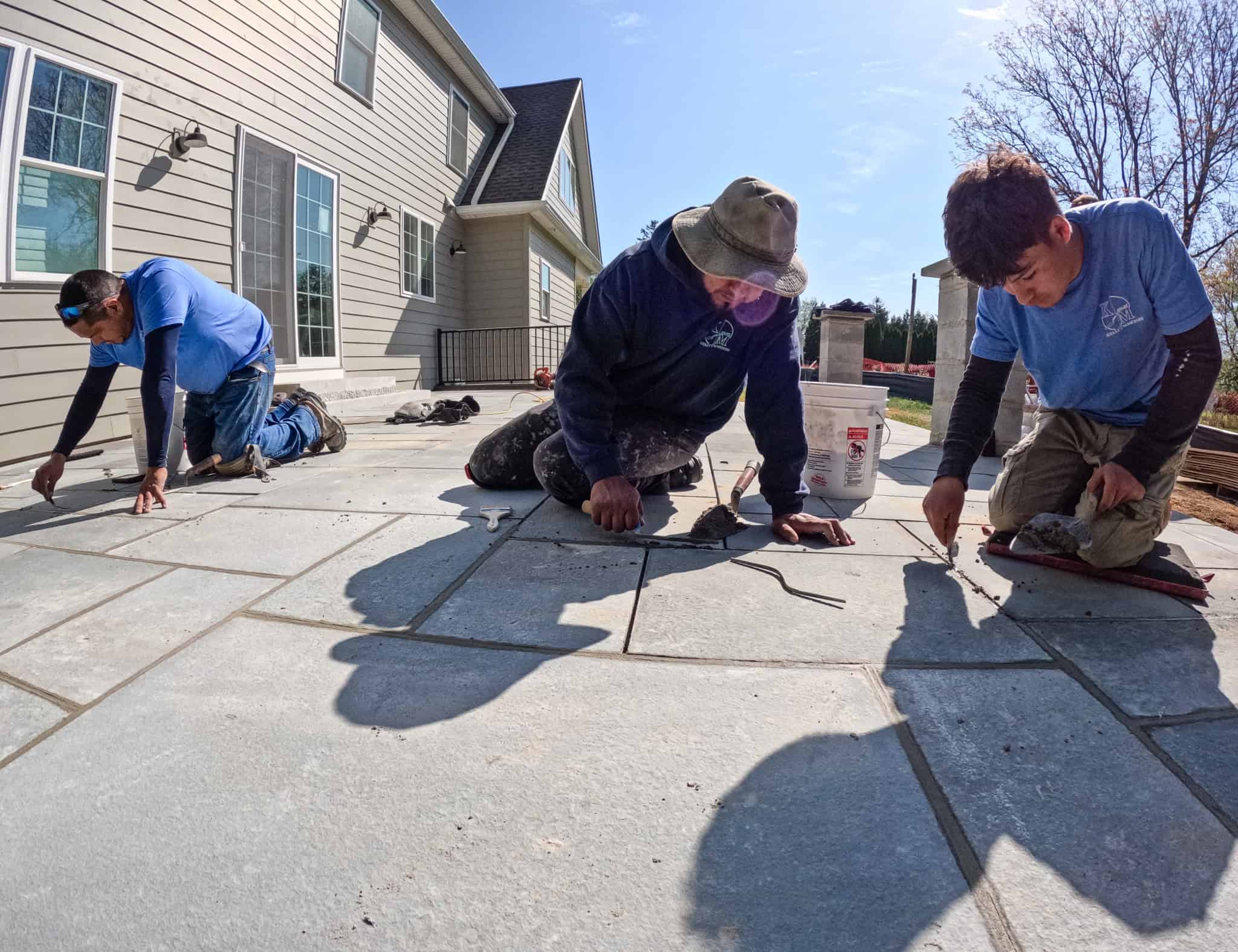
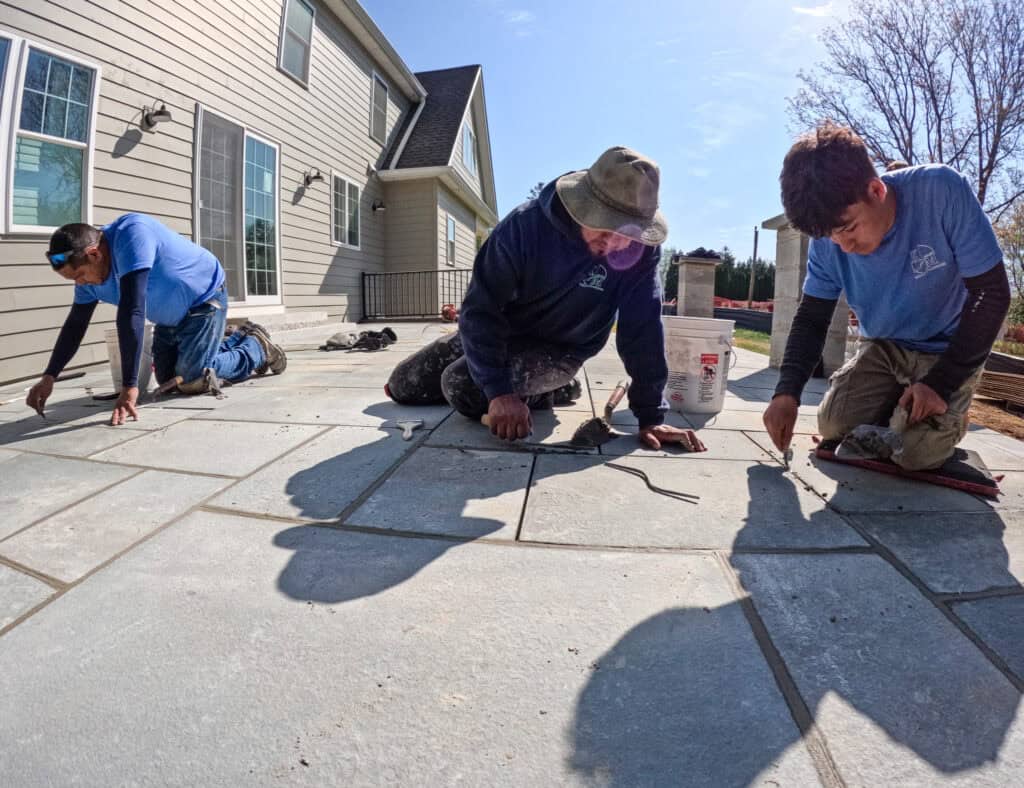
Outdoor masonry requires much more than simply placing stone or pavers on the ground. A properly built patio or walkway involves:
- Excavation
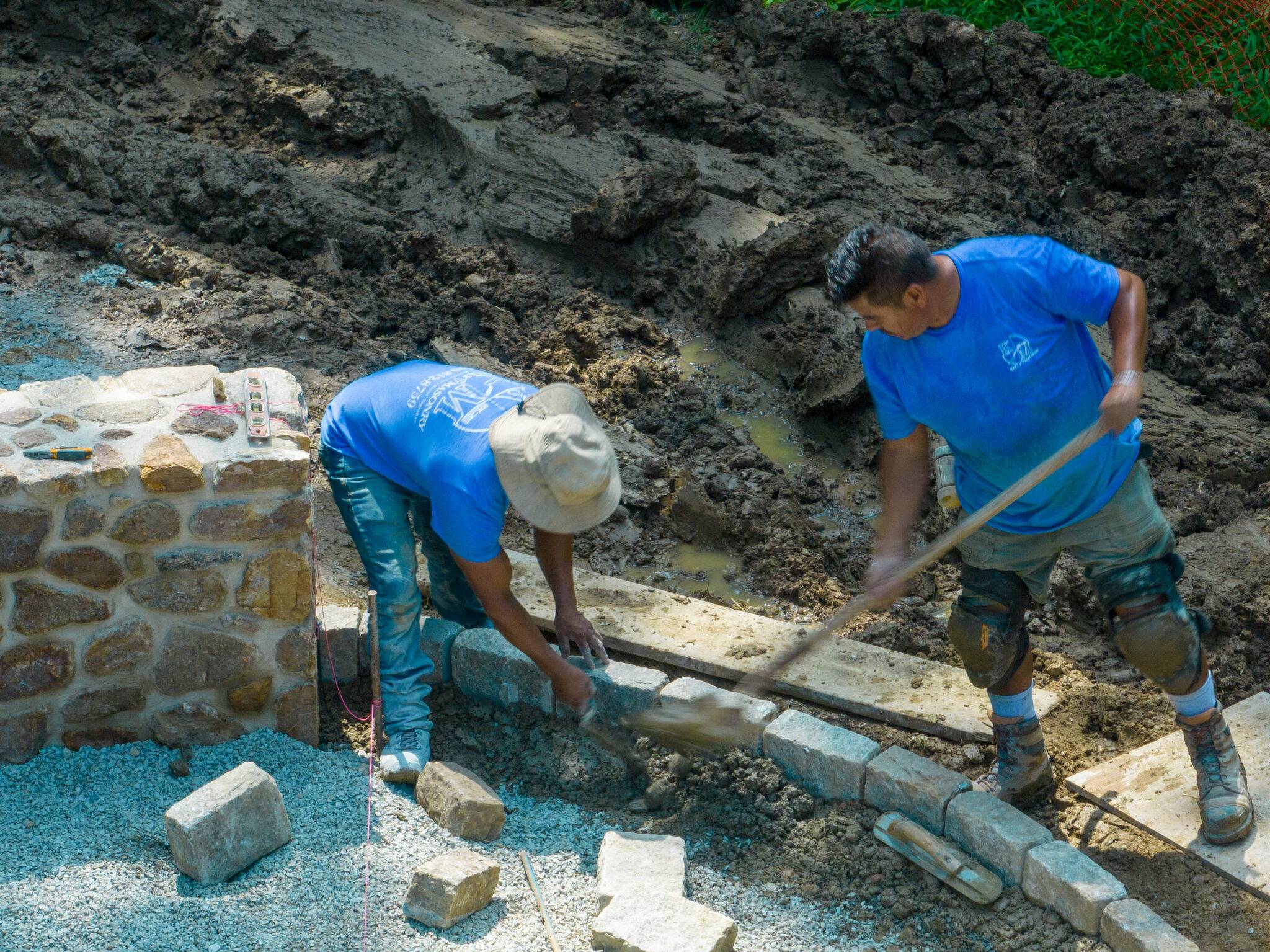
- A properly compacted stone base
- Proper grading for drainage
- Precision installation of materials
- Skilled craftsmanship
If a contractor provides a quote that is significantly lower than others, it may mean corners are being cut in one of these critical steps.
Unfortunately, many problems homeowners experience — shifting pavers, sinking patios, loose steps — stem from shortcuts taken during the base preparation or installation process.
When evaluating contractors, it’s often better to focus on experience, process, and quality of work, not just the bottom line.
2. Not Understanding What’s Underneath the Patio
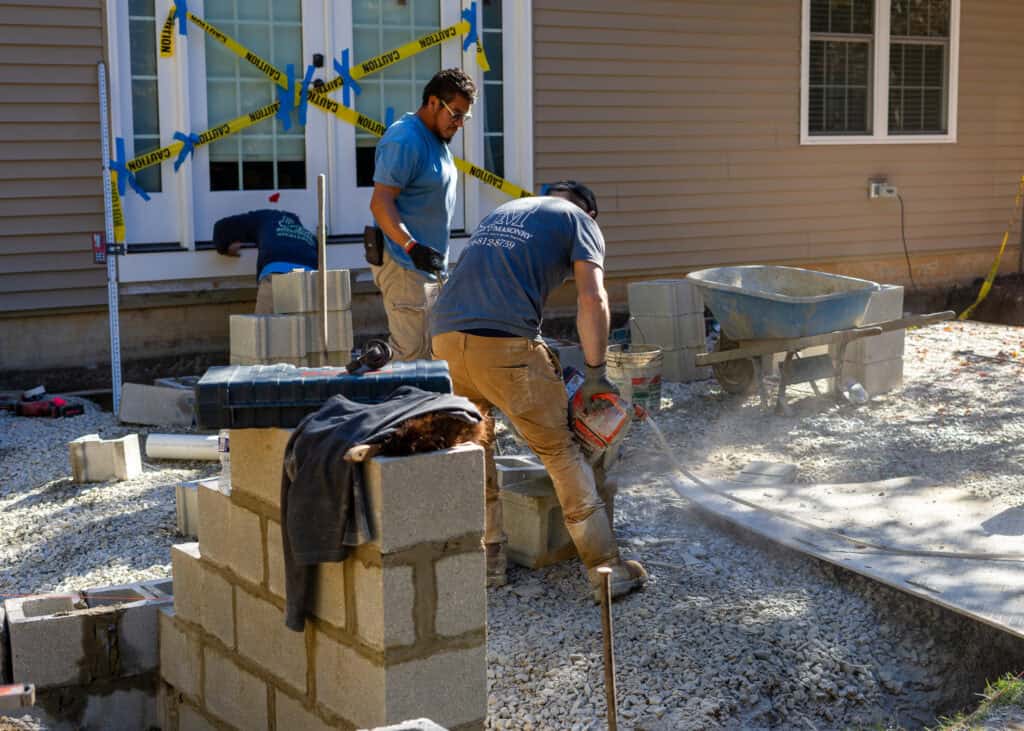
One of the most important parts of any masonry project is something homeowners rarely see: the base underneath the stone or pavers.
A patio or walkway is only as strong as the foundation beneath it.
Proper base preparation typically includes:
- Excavating the correct depth
- Installing clean crushed stone
- Compacting the base in layers
- Ensuring proper grading for drainage
If this process isn’t done correctly, the surface materials may begin to settle or shift over time — especially in Pennsylvania, where freeze and thaw cycles can be hard on outdoor surfaces.
This is one of the reasons some patios last 30 years while others begin to fail after just a few seasons.
When speaking with contractors, it’s worth asking how they build the base and how they handle drainage.
3. Ignoring Drainage and Grading
Water is one of the biggest challenges in outdoor construction.
Without proper drainage, water can collect under patios, along walkways, or near the foundation of the home. Over time, this can lead to shifting materials, erosion, or even water issues around the house itself.
Good masonry contractors think carefully about drainage before construction even begins.
They consider factors like:
- The slope of the property
- Where water naturally flows
- Elevation changes around the house
- How patios or walkways connect to other areas of the yard
For homes throughout the Main Line — many of which sit on older properties with unique grading — these details are especially important.
A well-built masonry project should not only look beautiful, but also work with the natural flow of water on the property.
4. Choosing Materials That Don’t Fit the Home
The Main Line is known for its beautiful and often historic homes. Many properties feature classic materials like stone, brick, and traditional architecture.
Because of this, material selection matters.
A patio or walkway that looks great in a catalog might not always complement the style of the home. Choosing the right materials can help the finished space feel like it naturally belongs on the property.
Common materials used in Main Line masonry projects include:
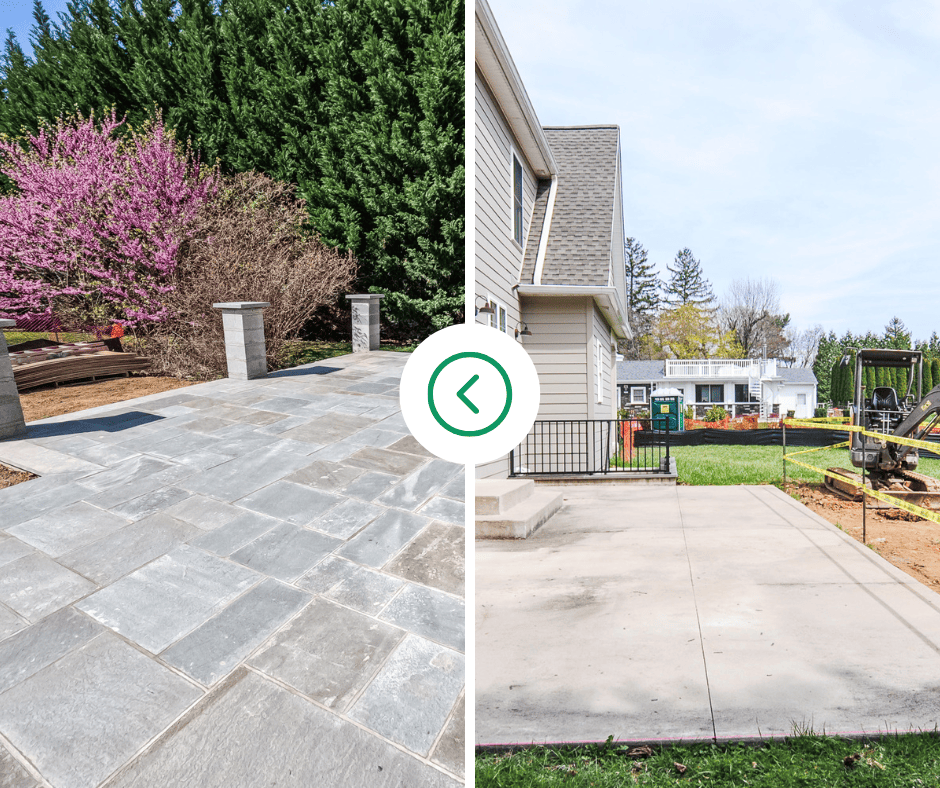
- Natural bluestone
- Brick patios and walkways
- Concrete pavers
- Fieldstone and other natural stones
Each material has its own advantages depending on the style of the home, how the space will be used, and the homeowner’s preferences.
When materials are thoughtfully selected, the finished project can enhance the character of the home rather than compete with it.
5. Hiring a Masonry Contractor Without a Clear Process
Another common mistake homeowners make is hiring a contractor who doesn’t have a clear process for planning and building the project.
A professional masonry contractor should be able to explain:
- How the project will be planned
- What preparation will be done before installation
- How the materials will be installed
- How long the project will take
- What to expect during construction
Clear communication and planning often make the difference between a smooth project and a stressful one.
Homeowners should feel comfortable asking questions and understanding the steps involved before work begins.
Why This Matters for Main Line Homes
Many homes throughout the Main Line are older properties with unique architectural details and established landscapes. Outdoor improvements need to complement that character while also standing up to Pennsylvania’s climate.
When masonry projects are planned and installed properly, they can last for decades and become a natural extension of the home.
When they’re rushed or built incorrectly, homeowners often end up repairing or replacing the work much sooner than expected.
That’s why taking the time to choose the right contractor and understand the process is so important.
Planning a Masonry Project?
If you’re considering a patio, walkway, or other masonry project for your home, it can be helpful to start by evaluating how the space will be used and how it fits with the character of the property.
A well-designed outdoor space can improve how you use your yard, enhance curb appeal, and add lasting value to your home.
The key is making sure the project is built correctly from the start.